



Expert care for blood disorders including bone marrow (haematopoietic stem cell) transplantation
Our Haematology Department at Raj Hospitals is dedicated to the diagnosis, treatment, and management of a wide range of blood disorders and haematological malignancies. Our expert haematologists provide comprehensive care for patients with conditions affecting the blood, bone marrow, and lymphatic system.
From common blood disorders to complex conditions requiring bone marrow transplantation, our team combines clinical expertise with modern technology to deliver personalized treatment plans for each patient.

MBBS, MD (Internal Medicine), DM (Clinical Haematology)
Haematology & Bone Marrow Transplant
Comprehensive haematology care with personalized treatment plans

Life-saving procedure to replace damaged or destroyed bone marrow with healthy stem cells for conditions like leukaemia, lymphoma, and myeloma.
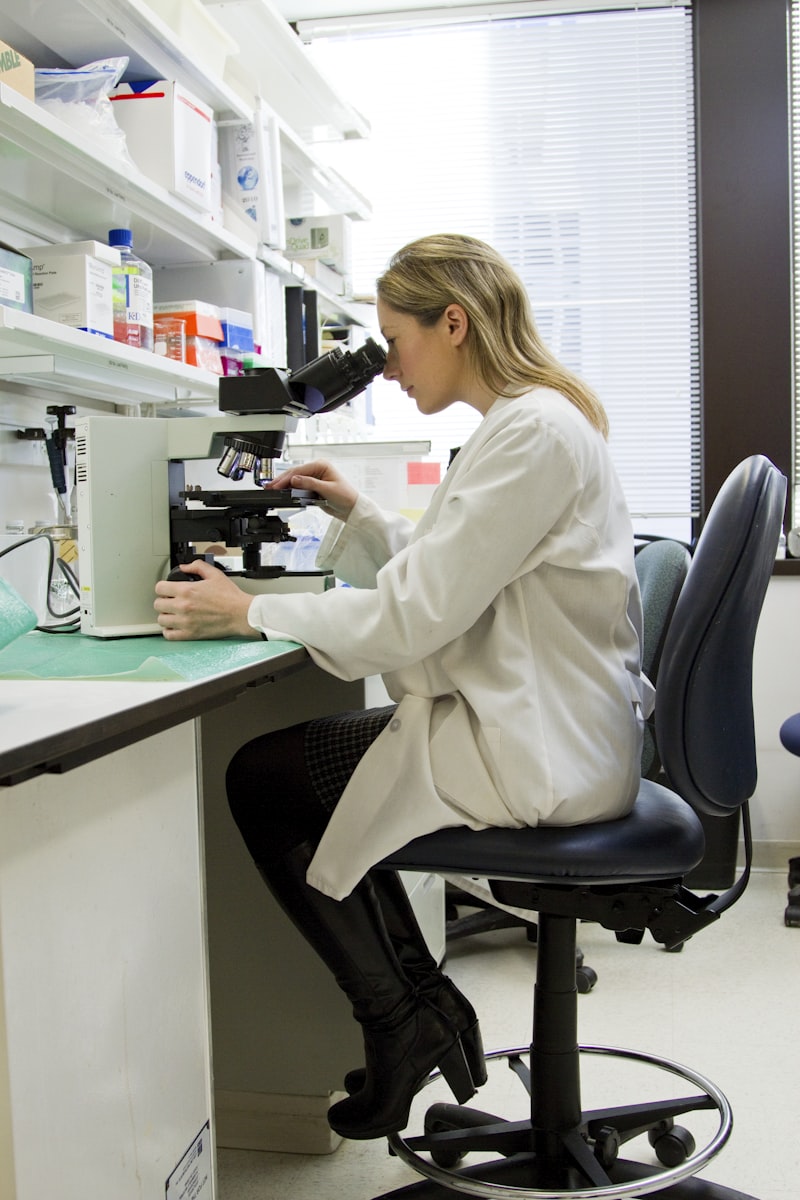
Chemotherapy protocols for haematological malignancies including leukaemia, lymphoma, and multiple myeloma with dedicated day care facilities.

Therapeutic apheresis procedures including plasmapheresis, leukapheresis, and plateletpheresis for various haematological conditions.
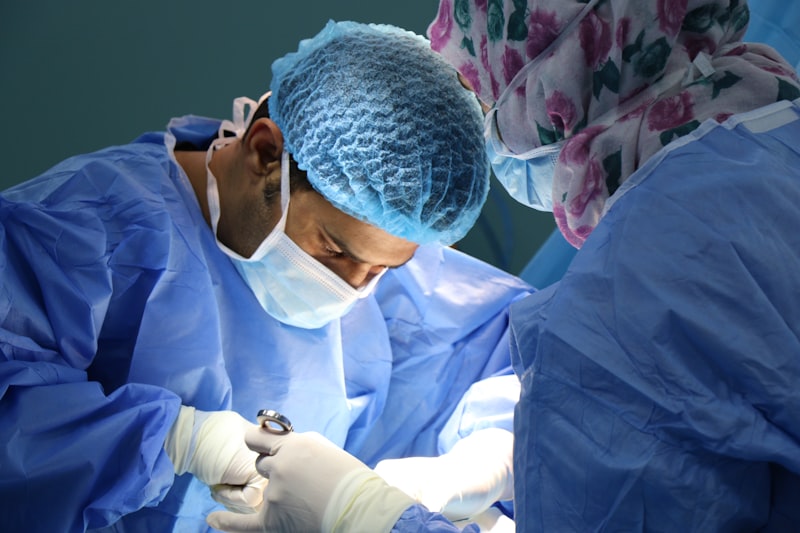
Comprehensive care for thalassemia patients including blood transfusion, iron chelation therapy, and genetic counseling for families.

Safe blood transfusion services with proper blood typing, cross-matching, and component therapy for various medical conditions.

Expert management of bleeding and clotting disorders including haemophilia, von Willebrand disease, and thrombosis.
Common haematological conditions we diagnose and treat
Learn more about treatments and prevention from our specialists
Common questions about Haematology conditions and treatments
A bone marrow transplant is a procedure to replace damaged or destroyed bone marrow with healthy stem cells. It is used to treat conditions like leukaemia, lymphoma, myeloma, aplastic anaemia, and genetic disorders. The new stem cells help restore the bone marrow's ability to produce healthy blood cells.
Common symptoms of blood disorders include fatigue and weakness, pale skin, shortness of breath, easy bruising or bleeding, frequent infections, swollen lymph nodes, bone or joint pain, and unexplained weight loss. If you experience these symptoms, it is important to consult a haematologist for proper evaluation.
Treatment for thalassemia depends on the severity. Regular blood transfusions are needed for major thalassemia, along with iron chelation therapy to remove excess iron. In some cases, bone marrow transplant can offer a cure. Genetic counseling is recommended for families with a history of thalassemia.
Leukaemia is a cancer of blood-forming tissues, including bone marrow, where abnormal white blood cells are produced. Lymphoma is a cancer of the lymphatic system, affecting lymphocytes. Both are haematological malignancies but affect different parts of the blood and immune system, requiring different treatment approaches.
You should consult a haematologist if you have persistent fatigue, unexplained bruising or bleeding, frequent infections, abnormal blood test results, family history of blood disorders, or if your doctor recommends a referral for evaluation of any blood-related condition.
Get in touch with our Haematology specialists
 Cardiology
  Critical Care
  Emergency
  Gastroenterology
  Minimal Access Surgery
  Nephrology
  Neuro & Spine Surgery
  Neurology
  Oncology (Cancer Care)
  Orthopaedics & Joint Replacement
  Pulmonology
  Urology
  Aesthetic & Reconstructive Surgery
  Dental
  Dermatology
  ENT
ENT  Eye Care
  Haematology
  Internal Medicine
  Nutrition & Dietetics
  Obstetrics & Gynaecology
  Pediatrics & Neonatology
  Physiotherapy & Rehabilitation
  Psychiatry & Mental Health
  Radiology
  FNAC, Biopsy, Blood & Laboratory Investigations