
 Locate us on Google Map


.svg)

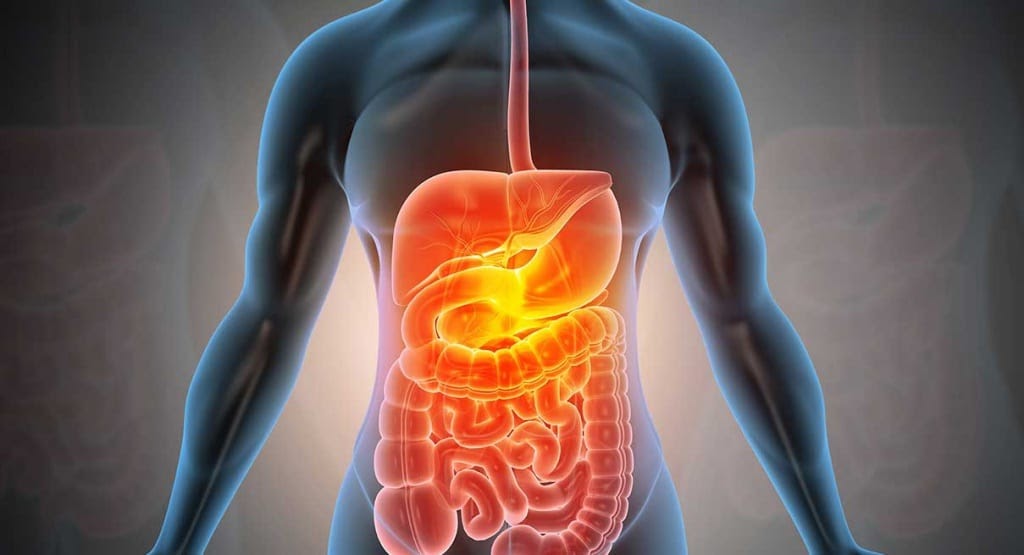
The digestive system consists of the mouth, pharynx, oesophagus, stomach, small intestine, large intestine, rectum, and anus. The digestive system also comprises salivary glands, liver, gallbladder, and pancreas which releases digestive juices and enzymes responsible for the digestion of food and liquids.
A balanced diet and a healthy lifestyle have a key role in maintaining the digestive system. If digestive health is disturbed it could not absorb essential nutrients from food and leads to a multitude of health problems.
A well-functioning digestive system is a sign of good health and it imparts a sense of wellbeing. Everyone should cautiously maintain digestive health. How? Here are easy tips from the best gastroenterologist in Ranchi for a healthy digestive system.
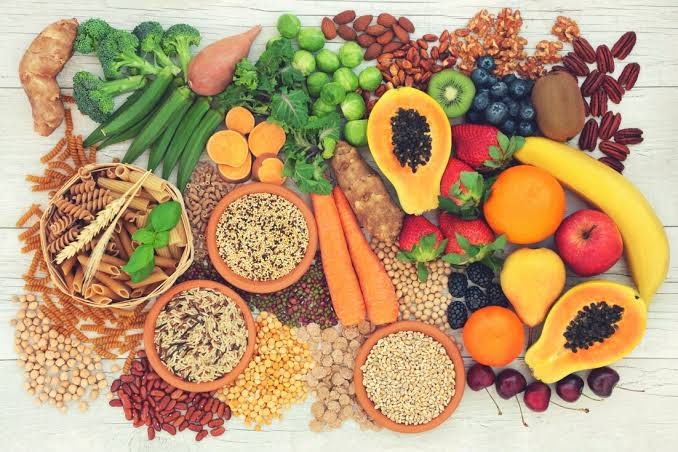
1. Consume high fibre diet:High fibre diet consists of whole grains, vegetables, fruits, legumes, and lentils. A high fibre diet helps in digestion by improving the movement of food along with the digestive tract. It prevents constipation.
A high fibre diet is also part of a weight reduction diet plan to attain a healthy body weight. Often doctors recommend a high fibre diet for conditions like piles, diverticulosis, and irritable bowel syndrome.
Incorporating soluble fibre like oats, nuts, seeds, and legumes and insoluble fibre like wheat, whole grain, and vegetables in the diet is beneficial. Soluble fibres absorb water and prevent watery stool, whereas insoluble fibres add bulk to the stool.
Often processed food and artificial sweeteners cause bloating gastric upset. Avoid such foods to optimise the health of the digestive system.
Food rich in fats slows down digestion and leads to constipation more often. Trans fats present in processed food are not good for heart health. It also gives rise to diseases like ulcerative colitis, inflammatory bowel disease.
Monounsaturated and polyunsaturated fats present in fruits like avocado, seeds like flax seeds, vegetable oils like olive, sunflower, soy, and fish are considered as healthy fat good for overall health.
3. Prefer lean meats:Meat is a good source of protein but fatty meats can cause digestive discomfort. Prefer lean meats like skinless poultry and turkey, red meat which have relatively low-fat content and can fulfil your protein requirement. Eat mindfully, watch your portions, always include more fibre rich food on your plate.
4. Addition of Probiotics in diet:Probiotics are bacteria that help indigestion. This gut-friendly bacteria breaks down indigestible fibre that causes gases and bloating. It is enhancing digestive health in people with irritable bowel syndrome, constipation, and diarrhoea.
Probiotics are found in curd, yoghurt, fermented food like Idli batter etc. Probiotics supplements are a mixture of Strains such as Lactobacillus and Bifidobacterium.
Glutamine is an amino acid and acts as a probiotic. It decreases intestinal permeability in people with severe illnesses. Glutamine is present in soyabean, eggs, almonds etc. Glutamine is also available in supplements but should be taken only as per the doctor’s recommendation.
Zinc is an essential nutrient required to maintain a healthy gut. Zinc deficiency leads to several gastrointestinal ailments. Zinc is present in sunflower seeds, beef, and shellfish. Zinc supplements are also available and found effective in the treatment of diarrhoea, colitis, leaky gut and digestive disorders.
5. FODMAP diet:Some people continuously face digestive troubles like bloating, abdominal cramps, gases, diarrhoea, medical assistance is required in such cases to eliminate group food that is not suitable for you. FODMAP diet is Fermentable Oligosaccharides, Disaccharides, Monosaccharides and Polyols which can be hard to digest. This diet is included for a short duration to identify foods causing triggers and patients are advised to avoid these food substances. This method is effective in patients with IBS. Consult the best gastroenterologist in Ranchi.
6. Have a diet plan:Assign time for breakfast, lunch, snacking, and dinner; means while eating you should not perform other activities. Eating at regular intervals can prevent acidity, heartburn. Have a proper schedule of eating. Do not skip breakfasts. Dinner should be light and easy to digest.
Chew your food properly. Proper chewing leads to more salivation, and it starts breaking food into more digestive form. The stomach has to work less and food passes to the small intestine smoothly. In simple words, more salivation ensures better digestion.
Avoid eating at restaurants frequently. Prefer eating homemade and freshly cooked food. Eating outside with unhygienic conditions can give rise to food poisoning and infections like typhoid and other foodborne infections.
7. Stay Hydrated:Low fluid intake causes constipation. Keeping yourself hydrated is important for digestion. Doctors advise drinking 1.5 to 2 litres or 8 glasses of water per day. Coconut water, fruits and vegetables having more water content are helpful to fulfil the fluid requirements of the body.
8. Exercise:Regular exercise improves digestion. An active lifestyle also helps in maintaining a healthy weight. Include any form of exercise in your daily routine.
9. Stress management:Stress management remains crucial for healthy digestion. Stress leads to a stomach ulcer, IBS, diarrhoea, constipation etc.
Practice yoga, meditation to relieve your stress. Engage in recreational activity apart from work life. Due to lack of rest, stress hormones will affect your digestion.

Smoking and alcohol are associated with acid reflux and stomach ulcers. Quitting these habits will improve digestion and relieve symptoms of digestive problems.
Simple dietary and lifestyle changes can take care of the digestive system. To know more about digestive problems, book your appointment in Raj hospital, Ranchi.
Meet Our Doctors
