


 Cardiology
  Critical Care
  Emergency
  Gastroenterology
  Minimal Access Surgery
  Nephrology
  Neuro & Spine Surgery
  Neurology
  Oncology (Cancer Care)
  Orthopaedics & Joint Replacement
  Pulmonology
  Urology
  Aesthetic & Reconstructive Surgery
  Dental
  Dermatology
  ENT
ENT  Eye Care
  Haematology
  Internal Medicine
  Nutrition & Dietetics
  Obstetrics & Gynaecology
  Pediatrics & Neonatology
  Physiotherapy & Rehabilitation
  Psychiatry & Mental Health
  Radiology
  FNAC, Biopsy, Blood & Laboratory Investigations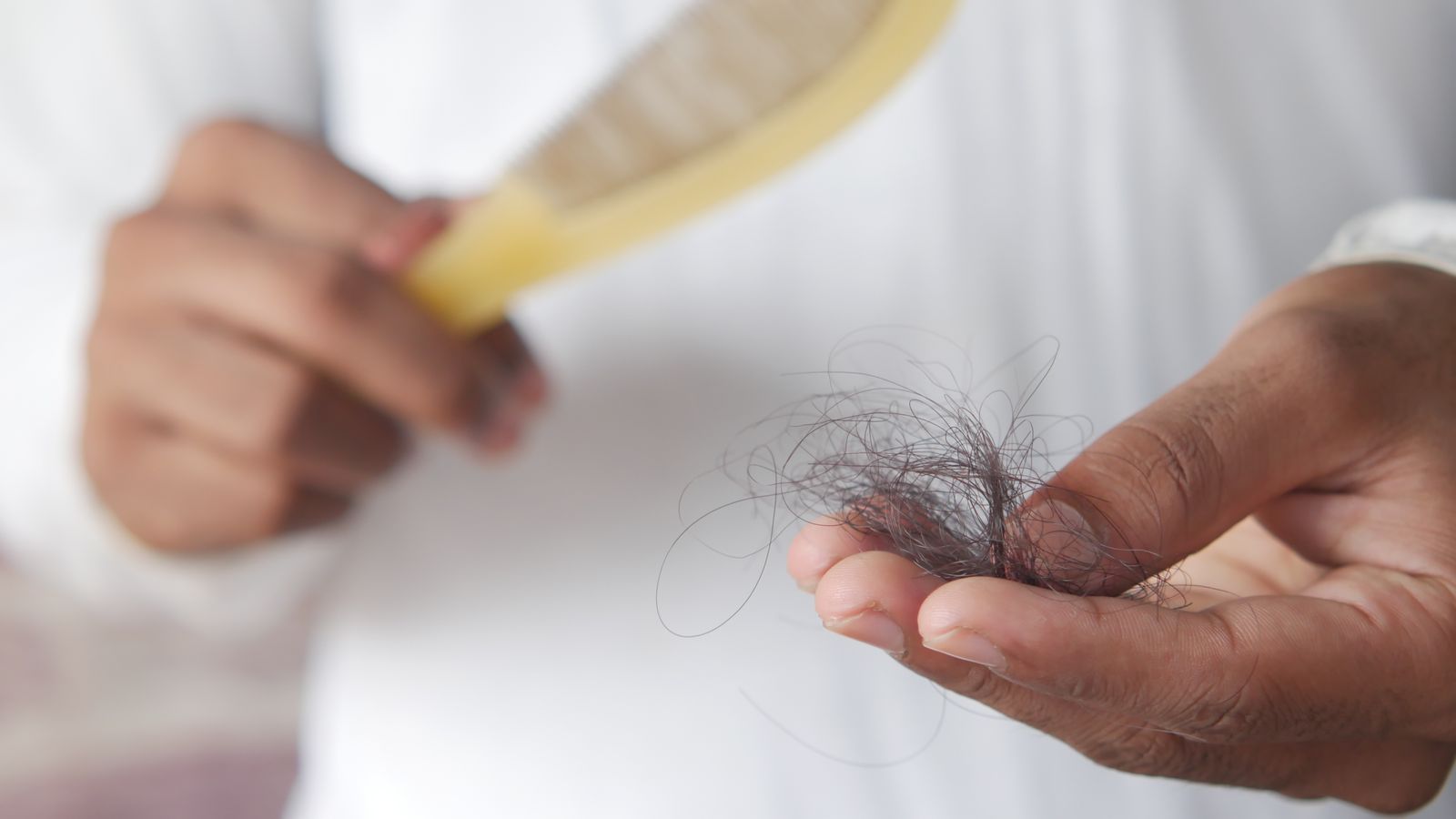
Why Am I Experiencing Excessive Hair Fall? Common Causes and Treatments
Finding clumps of hair in the shower drain, on your pillow, or all over your comb can be alarming. Excessive hair fall is one of the most common reasons people visit a dermatologist, and it affects men and women of all ages.
In most cases, hair fall is a sign that something has disrupted the normal hair growth cycle. That trigger could be an illness, a nutritional gap, a hormonal change, or simply the way you care for your hair. The encouraging part is that much of this hair fall is temporary and treatable once the cause is identified. Here is what you need to know.
How Much Hair Fall Is Too Much?
It is normal to lose about 50 to 100 hairs a day. On days you wash your hair, you may see more, because loose hairs that were already shed get washed out together. This alone is not a cause for concern.
Your hair fall may be excessive if:
- You regularly see large clumps of hair after washing or combing
- Your ponytail feels noticeably thinner
- You can see more of your scalp than before
- The hair fall has continued for more than two to three months
- You notice bald patches or a receding hairline
A simple at-home check is the pull test. Gently hold about 50 to 60 hairs between your fingers and pull lightly from the root to the tip. If more than five or six hairs come out each time, you may be shedding more than normal. A specialist can confirm this during a consultation.
Hair Fall vs Hair Breakage: Know the Difference
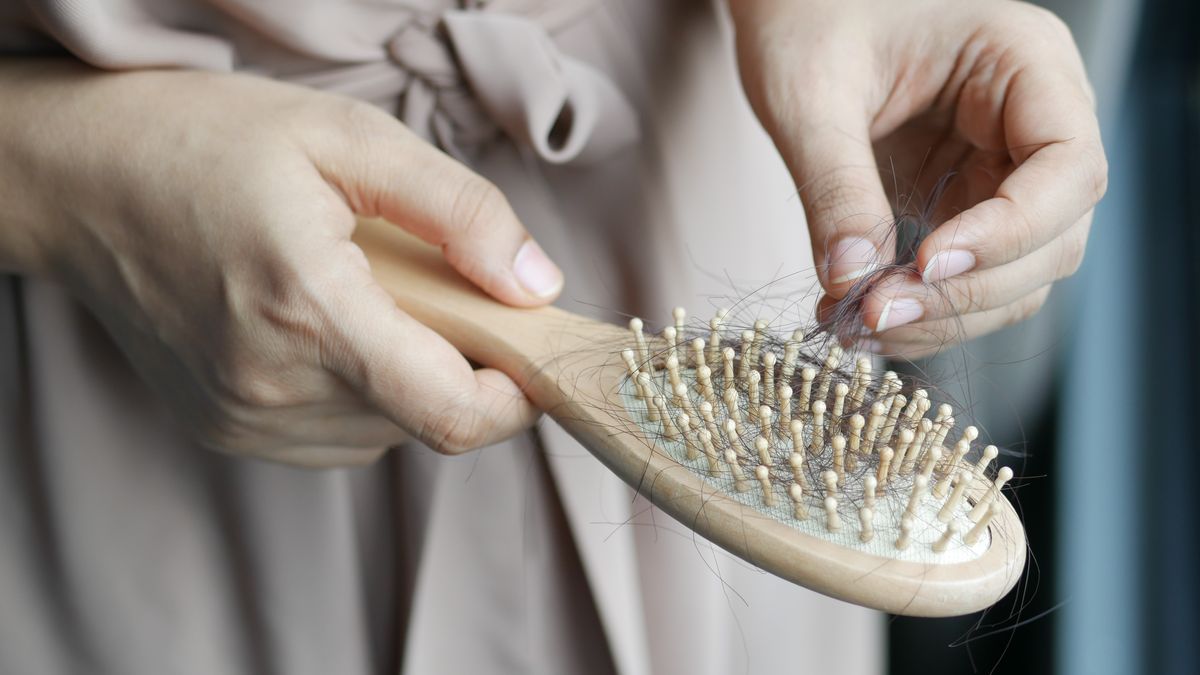
Not every hair on your comb has fallen from the root. A hair shed from the follicle usually has a small white bulb at one end. A hair that breaks mid-shaft has no bulb and is often shorter. Breakage points to damage from heat, chemicals, or rough handling, while true hair fall points to a problem inside the follicle or the body. Knowing which one you have helps narrow down the cause.
Common Causes of Excessive Hair Fall
1. Recent Illness, Fever, or Surgery
Telogen effluvium is the most common cause of sudden, heavy hair fall. A high fever, infections such as dengue, typhoid, malaria, or COVID-19, major surgery, or a hospital stay can push many hairs into the resting phase at once. The hair fall usually starts two to three months later and can continue for several months before slowing down.
2. Nutritional Deficiencies
Low iron stores are one of the most common nutritional causes of hair fall, particularly in women. Deficiencies in vitamin D, vitamin B12, zinc, and protein can also weaken the hair growth cycle. Crash diets, very low-calorie diets, and rapid weight loss often lead to shedding.
3. Hormonal Changes
Hormones directly affect the hair cycle. Many women experience heavy shedding two to four months after childbirth, known as postpartum hair loss, which usually recovers within six to twelve months. Thyroid disorders, PCOS, menopause, and starting or stopping hormonal contraceptives can all lead to excessive hair fall.
4. Pattern Hair Loss
Androgenetic alopecia is a gradual, inherited condition. Unlike telogen effluvium, it does not always cause dramatic shedding. Instead, hair becomes progressively thinner at the hairline, crown, or parting. It often exists alongside other causes, so a person can have increased shedding and gradual thinning at the same time.
5. Scalp Problems
Dandruff, seborrheic dermatitis, scalp psoriasis, and fungal infections cause itching and inflammation, which can worsen hair fall. Scratching an itchy scalp also damages the hair. A fungal infection called tinea capitis, more common in children, causes patchy hair loss and needs medical treatment.
6. Harsh Hair Treatments and Styling
Repeated rebonding, smoothening, keratin treatments, bleaching, and frequent colouring weaken the hair shaft. Daily use of hot tools, rough towel drying, and brushing wet hair can lead to breakage that looks like hair fall. Tight hairstyles cause traction hair loss along the edges over time.
7. Medications
Hair fall can be a side effect of certain medicines, including some blood pressure drugs, antidepressants, anticonvulsants, retinoids, high-dose vitamin A, and blood thinners. Chemotherapy causes a different, more rapid type of hair loss. Never stop a prescribed medicine on your own; speak to your doctor about alternatives.
8. Stress and Lifestyle
Ongoing stress, poor sleep, smoking, and an irregular routine affect hormones and blood flow to the scalp. Severe emotional stress, such as a bereavement, a breakup, or exam pressure, can trigger telogen effluvium just as a physical illness can.
9. Seasonal Shedding
Some people notice more hair fall at certain times of the year, often in late summer or autumn, and during the monsoon, when humidity and scalp infections increase. Seasonal shedding is usually mild and temporary.
How Excessive Hair Fall Is Diagnosed

A dermatologist or trichologist will look at the pattern and timing of your hair fall. Expect questions about recent illnesses, diet, stress, periods, pregnancy, and medicines. A scalp examination and trichoscopy help assess follicle health and identify any scalp disease.
Blood tests often include a complete blood count, serum ferritin, vitamin D, vitamin B12, a thyroid profile and, where relevant, hormone tests for PCOS. These results help separate temporary shedding from long-term hair loss, which changes the treatment plan.
Treatments for Excessive Hair Fall
Treat the trigger. If the cause is a deficiency, a thyroid imbalance, or a medication, correcting it is the most important step. Iron, vitamin D, or B12 supplements should be taken only when tests show a deficiency, and at the dose your doctor recommends.
Medicated shampoos. Shampoos containing ketoconazole, zinc pyrithione, or ciclopirox can control dandruff and fungal scalp problems that contribute to hair fall.
Topical minoxidil. Minoxidil can shorten the shedding phase and support regrowth in both telogen effluvium and pattern hair loss. Some people notice a temporary increase in shedding during the first few weeks, which is usually a sign that new hairs are pushing out old ones.
Prescription medicines. For men with pattern hair loss, finasteride may be prescribed to block DHT. Women with hormonal hair loss may be prescribed other medicines, such as spironolactone, depending on their health profile.
PRP and GFC therapy. These in-clinic treatments use concentrated growth factors from your own blood to support weak follicles. They are usually given as a series of sessions a few weeks apart.
Surgical restoration for permanent loss. If hair fall has left behind areas where follicles no longer produce hair, such as a receding hairline or a bald crown caused by pattern hair loss, medicines alone cannot restore them. A hair transplant moves healthy, DHT-resistant follicles from the back of the scalp to these areas for natural, lasting results. It is not a treatment for temporary shedding, which is why a proper diagnosis comes first.
Simple Habits That Reduce Hair Fall
- Eat enough protein every day from foods such as dal, eggs, paneer, curd, fish, and soy
- Include iron-rich foods such as green leafy vegetables, legumes, and lean meat
- Use a mild shampoo and wash your hair regularly to keep the scalp clean
- Detangle gently with a wide-toothed comb, starting from the ends
- Limit heat styling and chemical treatments
- Avoid tight hairstyles, especially when your hair is wet
- Sleep seven to eight hours a night and find ways to manage stress
When to See a Doctor
See a specialist if your hair fall lasts more than three months, comes out in clumps, causes bald patches, or comes with other symptoms such as fatigue, weight changes, irregular periods, or an itchy, painful scalp. An early diagnosis prevents unnecessary hair loss and saves you from spending money on products that do not address the real cause.
Final Thoughts
Excessive hair fall is a symptom, not a diagnosis. In most people it has an identifiable and treatable cause, from a recent fever to low iron or a hormonal change. Pinpointing the trigger, giving treatment time to work, and building better hair care habits can bring hair fall back to normal. If pattern hair loss has already caused permanent thinning, effective medical and surgical options can still restore your hair.
Worried about hair fall or thinning? Get it checked early.
The dermatology team at Raj Hospitals, Ranchi can examine your scalp, order the right blood tests and plan treatment that matches the cause of your hair loss.
Frequently Asked Questions
Is it normal to lose hair every day?
Yes. Losing 50 to 100 hairs a day is normal. It becomes a concern when you consistently lose much more than this or notice visible thinning.
Can excessive hair fall stop on its own?
Hair fall caused by a temporary trigger, such as fever, childbirth, or stress, often settles on its own within about six months once the trigger has passed. Hair fall caused by pattern hair loss, deficiencies, or thyroid problems usually needs treatment.
Which blood tests should I get for hair fall?
Doctors commonly check a complete blood count, serum ferritin, vitamin D, vitamin B12, and thyroid function. Women with irregular periods or acne may also need hormone tests for PCOS.
Does oiling stop hair fall?
Oiling can reduce dryness and breakage and make hair easier to manage, but it does not treat internal causes of hair fall such as deficiencies or hormonal changes. Leaving heavy oil on the scalp for long periods can also worsen dandruff in some people.
Can dandruff cause hair fall?
Yes. Dandruff and seborrheic dermatitis cause scalp inflammation and itching, which can increase hair fall. Treating dandruff with a medicated shampoo often reduces shedding.
When is a hair transplant needed for hair fall?
A hair transplant is considered when hair fall has led to permanent baldness, most often due to pattern hair loss, and medicines can no longer restore those areas. It is not used for temporary shedding.
Related Hair and Skin Health Guides
- Why Is My Hair Thinning at a Young Age? Causes and Treatment Options
- Can Stress Cause Hair Loss? Symptoms, Causes, and Treatment Options
- What Causes a Receding Hairline in Young Men? Early Signs and Treatment
- How to Stop Hair Fall Naturally: Effective Hair Care Tips and Medical Treatments
- Thyroid problems in women — symptoms and treatment
- Low vitamin D symptoms in women
- Dermatology at Raj Hospitals Ranchi — skin, hair and scalp care
- Dr. Shagun Raj — Consultant Dermatologist, Raj Hospitals Ranchi
Medical disclaimer: This article is general health education and cannot diagnose the cause of your hair loss. Do not start, stop or change any medicine or supplement based on this page; consult a qualified dermatologist for advice specific to you.