


 Cardiology
  Critical Care
  Emergency
  Gastroenterology
  Minimal Access Surgery
  Nephrology
  Neuro & Spine Surgery
  Neurology
  Oncology (Cancer Care)
  Orthopaedics & Joint Replacement
  Pulmonology
  Urology
  Aesthetic & Reconstructive Surgery
  Dental
  Dermatology
  ENT
ENT  Eye Care
  Haematology
  Internal Medicine
  Nutrition & Dietetics
  Obstetrics & Gynaecology
  Pediatrics & Neonatology
  Physiotherapy & Rehabilitation
  Psychiatry & Mental Health
  Radiology
  FNAC, Biopsy, Blood & Laboratory Investigations
Why Is My Hair Thinning at a Young Age? Causes and Treatment Options
Seeing more scalp in the mirror than you remember can be unsettling, especially when you are only in your twenties. Many people assume hair loss is something that happens in middle age. In reality, hair thinning often begins much earlier, and for some people it starts in their late teens.
The good news is that early thinning is usually easier to manage than advanced hair loss. Once you understand why it is happening, you can choose a treatment that protects the hair you have and, in many cases, helps some of it grow back. This guide explains the most common causes of hair thinning at a young age, how doctors find the cause, and which treatment options are worth considering.
Is It Normal to Lose Hair in Your 20s?
Losing some hair every day is completely normal. Most people shed around 50 to 100 hairs a day as part of the natural hair growth cycle. Each hair goes through a growth phase (anagen) that lasts two to seven years, a short transition phase (catagen), and a resting phase (telogen) of about three months before it falls out and is replaced.
Hair thinning is different from normal shedding. Thinning happens when hair follicles shrink, produce finer and shorter hairs, or stop producing hair altogether. It can also happen when a large number of hairs enter the resting phase at the same time. Either way, the result is lower density and a scalp that becomes more visible.
Early Signs That Your Hair Is Thinning

Hair thinning is gradual, so it is easy to miss in the beginning. Watch for these early signs:
- A wider parting line, especially in women
- A receding hairline or deepening at the temples in men
- More visible scalp under bright light or in photos
- Hair that feels finer, softer, or weaker than before
- A smaller ponytail or a fringe that looks sparse
- Thinning patches at the crown (the top-back of the head)
- More hair than usual on your pillow, comb, or shower drain
If you notice two or more of these signs over a few months, it is worth looking into the cause rather than waiting.
Common Causes of Hair Thinning at a Young Age
1. Genetics (Androgenetic Alopecia)
Androgenetic alopecia, also called male or female pattern hair loss, is the most common cause of thinning in young adults. It is inherited and can come from either side of the family. In people with this condition, hair follicles are sensitive to dihydrotestosterone (DHT), a hormone made from testosterone. DHT gradually shrinks the follicles, so each new hair grows thinner and shorter until the follicle stops producing visible hair.
In men, it usually appears as a receding hairline or a thinning crown. In women, it typically shows up as diffuse thinning along the centre parting, while the front hairline stays intact.
2. Hormonal Imbalances
Hormones play a major role in hair growth. Thyroid disorders, both underactive and overactive, can cause diffuse thinning across the scalp. In young women, polycystic ovary syndrome (PCOS) raises androgen levels, which can lead to thinning on the scalp alongside acne or excess facial hair. Hormonal shifts after pregnancy or after stopping birth control pills can also trigger temporary hair fall.
3. Nutritional Deficiencies
Hair follicles are among the fastest-growing cells in the body, so they need a steady supply of nutrients. Low levels of iron (ferritin), vitamin D, vitamin B12, zinc, and protein are commonly linked to hair thinning. Young adults who follow crash diets, skip meals, or follow restrictive diets without proper planning are at higher risk.
4. Stress and Telogen Effluvium
A major physical or emotional stressor can push a large number of hairs into the resting phase at once. This condition is called telogen effluvium. Common triggers include high fever, illnesses such as dengue, typhoid, or COVID-19, surgery, sudden weight loss, and intense emotional stress. The shedding usually starts two to three months after the trigger, which is why many people do not connect the two.
5. Hairstyling Habits
Frequent tight ponytails, buns, braids, or hair extensions put constant tension on the follicles. Over time, this can cause traction alopecia, especially along the hairline. Regular use of straighteners, curling irons, bleaching, and chemical treatments can also damage the hair shaft and make hair look thinner because strands break more easily.
6. Scalp Conditions
Dandruff (seborrheic dermatitis), fungal infections, and psoriasis can inflame the scalp and contribute to hair fall. Alopecia areata, an autoimmune condition, causes round, smooth patches of hair loss and often begins in childhood or early adulthood.
7. Medications and Lifestyle Factors
Some medicines, including certain acne treatments, antidepressants, blood thinners, and anabolic steroids, can affect hair growth. Smoking reduces blood flow to the scalp, and poor sleep and irregular routines add to the stress load on the body. Even when they are not the main cause, these factors can speed up existing hair loss.
How Doctors Find the Cause of Hair Thinning
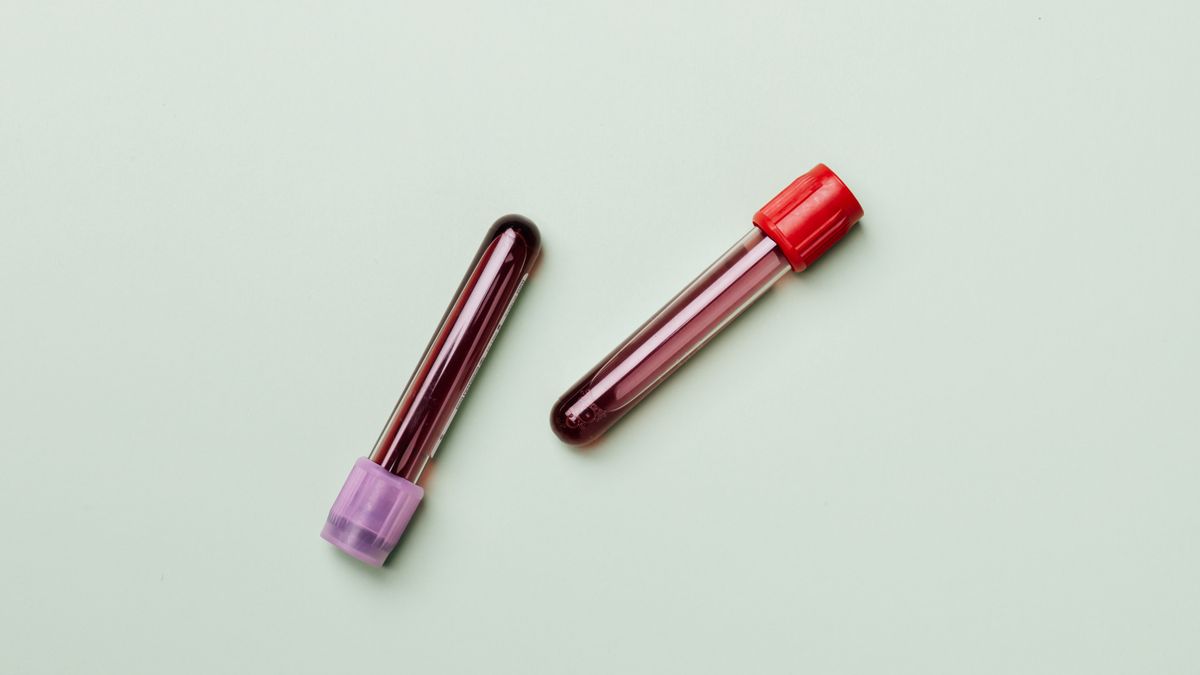
Because so many factors can cause thinning, a proper diagnosis is the most important first step. A dermatologist or hair specialist will usually:
- Ask about your family history, diet, medications, recent illnesses, and stress levels
- Examine your scalp and the pattern of thinning
- Perform a hair pull test to see how actively you are shedding
- Use trichoscopy, a magnified scalp examination, to check follicle size and scalp health
- Recommend blood tests for iron, ferritin, vitamin D, vitamin B12, thyroid function and, for women, hormone levels
In rare cases, a small scalp biopsy may be needed to confirm the diagnosis.
Treatment Options for Thinning Hair at a Young Age
The right treatment depends on the cause. These are the most common, evidence-based options:
Correcting the underlying cause. If thinning is caused by a deficiency, a thyroid problem, or PCOS, treating that condition is often enough to stop the hair fall. Telogen effluvium usually settles on its own within about six months once the trigger is removed.
Minoxidil. Topical minoxidil is one of the most widely used treatments for pattern hair loss in both men and women. It prolongs the growth phase and can improve hair density. Results usually take three to six months, and it needs to be used consistently to maintain the benefit.
Finasteride. For men with androgenetic alopecia, finasteride lowers DHT levels and can slow or stop further hair loss. It is a prescription medicine and should only be taken under a doctor's supervision, as a small number of users experience side effects. It is not prescribed to women who are pregnant or may become pregnant.
PRP and GFC therapy. Platelet-rich plasma (PRP) and growth factor concentrate (GFC) treatments use growth factors from your own blood to stimulate weak follicles. They are often combined with medication for better results.
Low-level laser therapy. Laser caps and combs use red light to stimulate hair follicles. They may offer modest improvement as an add-on treatment.
Hair transplant. When follicles in an area have stopped producing hair permanently, medicines can only protect what is left. In such cases, a hair transplant can restore density by moving healthy follicles from the back of the scalp to the thinning areas. For young patients, a specialist will usually stabilise the hair loss with medical treatment first and plan the procedure with future hair loss in mind.
Can Thinning Hair Grow Back?
It depends on the cause and how early you act. Hair loss caused by stress, illness, deficiencies, or hormonal imbalances is usually temporary, and hair often grows back once the cause is treated. With pattern hair loss, follicles that are shrinking but still alive can often be revived with treatment. Follicles that have been inactive for many years are much harder to bring back, which is why early treatment matters.
When Should You See a Specialist?
Book a consultation with a dermatologist or hair specialist if:
- You have been losing noticeably more hair than usual for more than two to three months
- You see patchy bald spots or sudden hair loss
- Your hairline or crown is visibly changing
- Hair loss comes with itching, redness, pain, or scaling on the scalp
- You have other symptoms such as fatigue, weight changes, or irregular periods
Final Thoughts
Hair thinning at a young age is common, and it is rarely something you simply have to accept. Most cases are caused by genetics, hormones, nutrition, stress, or hair care habits, and each of these has a clear treatment path. The key is to identify the cause early, start the right treatment, and stay consistent. The sooner you act, the more hair you are likely to keep.
Worried about hair fall or thinning? Get it checked early.
The dermatology team at Raj Hospitals, Ranchi can examine your scalp, order the right blood tests and plan treatment that matches the cause of your hair loss.
Frequently Asked Questions
At what age does hair thinning usually start?
Pattern hair loss can begin as early as the late teens. Many men notice changes at the hairline in their twenties, while women more often notice a widening parting in their twenties or thirties.
Is hair thinning at a young age always genetic?
No. Genetics is the most common cause, but thyroid problems, PCOS, nutritional deficiencies, stress, scalp conditions, and hairstyling habits can all cause thinning. A specialist can help you find out which one applies to you.
Can vitamins stop hair thinning?
Vitamins and supplements help only if you have a deficiency. Taking them without one is unlikely to improve hair growth, and some, such as excess vitamin A or selenium, can actually worsen hair fall. Get tested before starting supplements.
How long does it take to see results from hair loss treatment?
Most treatments, including minoxidil and finasteride, take three to six months to show visible results. Full results may take up to a year, and consistency is essential.
Is a hair transplant suitable for people in their twenties?
It can be, but it needs careful planning. Because hair loss may continue, specialists usually stabilise it with medication first and design a natural hairline that will still look right as you age.
Does wearing a cap cause hair thinning?
No. Wearing a clean, loose-fitting cap does not cause hair loss. However, very tight headwear worn for long hours every day may cause friction or traction over time.
Related Hair and Skin Health Guides
- Why Am I Experiencing Excessive Hair Fall? Common Causes and Treatments
- Can Stress Cause Hair Loss? Symptoms, Causes, and Treatment Options
- What Causes a Receding Hairline in Young Men? Early Signs and Treatment
- How to Stop Hair Fall Naturally: Effective Hair Care Tips and Medical Treatments
- Thyroid problems in women — symptoms and treatment
- PCOS symptoms and treatment in Ranchi
- Dermatology at Raj Hospitals Ranchi — skin, hair and scalp care
- Dr. Shagun Raj — Consultant Dermatologist, Raj Hospitals Ranchi
Medical disclaimer: This article is general health education and cannot diagnose the cause of your hair loss. Do not start, stop or change any medicine or supplement based on this page; consult a qualified dermatologist for advice specific to you.