


 Cardiology
  Critical Care
  Emergency
  Gastroenterology
  Minimal Access Surgery
  Nephrology
  Neuro & Spine Surgery
  Neurology
  Oncology (Cancer Care)
  Orthopaedics & Joint Replacement
  Pulmonology
  Urology
  Aesthetic & Reconstructive Surgery
  Dental
  Dermatology
  ENT
ENT  Eye Care
  Haematology
  Internal Medicine
  Nutrition & Dietetics
  Obstetrics & Gynaecology
  Pediatrics & Neonatology
  Physiotherapy & Rehabilitation
  Psychiatry & Mental Health
  Radiology
  FNAC, Biopsy, Blood & Laboratory Investigations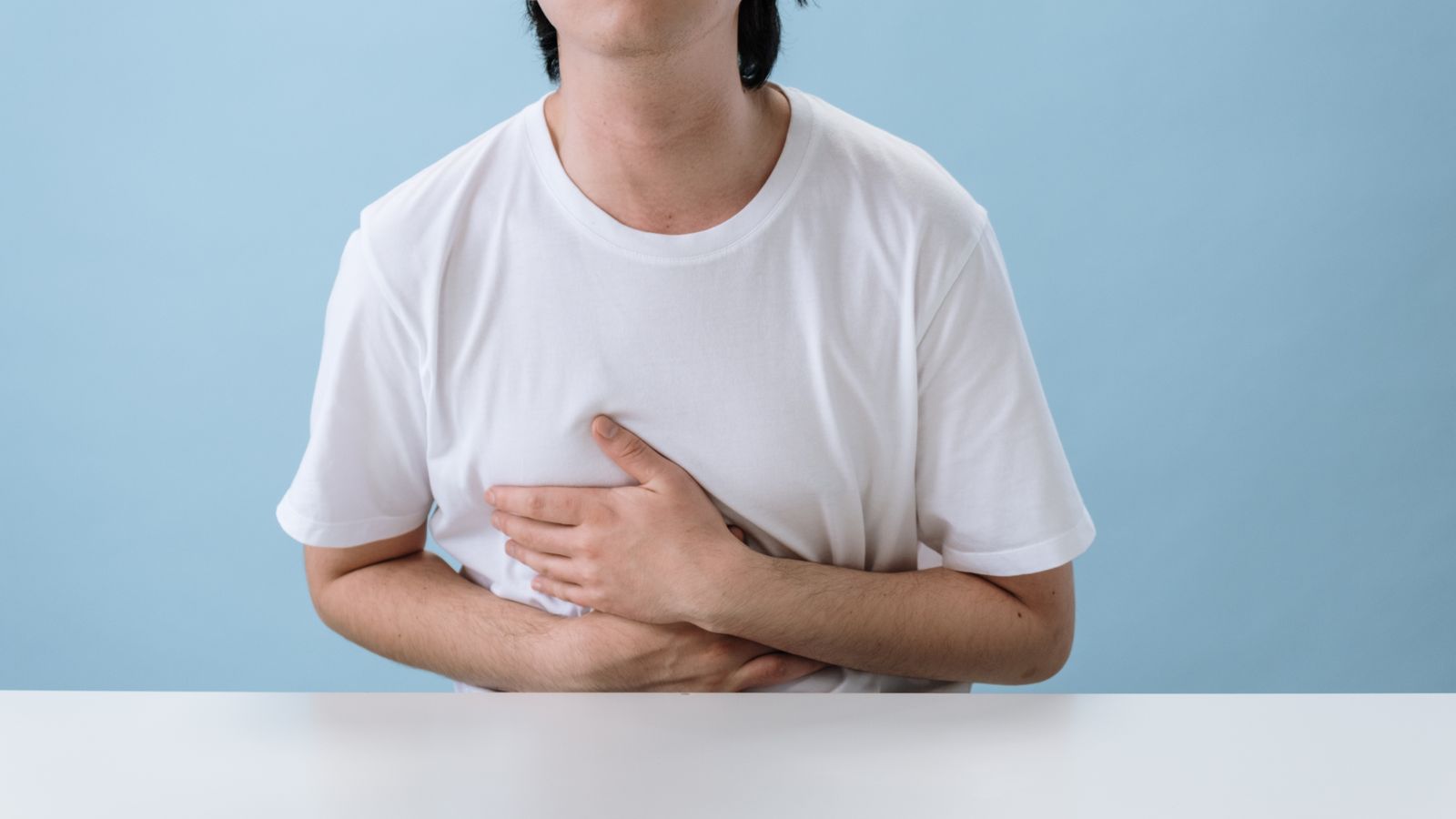
Gallbladder Pain After Meals: When It's Time for Minimally Invasive Surgery
A pattern we see constantly in the surgical outpatient department: a patient in their forties describes six years of pain after heavy meals. They have stopped eating mutton. They have given up ghee, fried snacks and anything at a wedding. They carry a folder with three ultrasound reports, each showing the same gallstones, and they say some version of the same sentence — "I am managing it with diet, doctor." Then we explain that the operation they have been avoiding for six years involves three small cuts, one night in hospital, and a return to desk work in about a week. The most common reaction is not relief. It is annoyance at the wasted years.
The Classic Pattern: Pain After Fatty or Heavy Meals
The gallbladder is a small pear-shaped sac tucked under the liver on the right side. Its only job is to store bile made by the liver, concentrate it, and squeeze it into the intestine when fat arrives. That last part is the whole story.
When you eat a fatty meal, the intestine releases a hormone called cholecystokinin, which tells the gallbladder to contract hard. If stones are sitting inside, that contraction pushes a stone into the narrow neck of the gallbladder, where it wedges. Pressure builds behind it and the pain begins. Eventually the gallbladder relaxes, the stone falls back, and the pain fades. That is why the episode has a beginning, a peak, and an end, and why it repeats every time the same trigger occurs.
The typical picture our surgeons look for:
- Timing. Starts roughly 30 minutes to 2 hours after eating, classically after a rich, oily or heavy meal, and frequently at night.
- Location. Upper right abdomen under the rib margin, or just below the breastbone, often described as a deep ache rather than a sharp stab.
- Radiation. To the right shoulder blade or between the shoulder blades. This surprises patients, and it happens because the diaphragm shares nerve supply with the shoulder.
- Duration. Thirty minutes to a few hours, then it settles completely, leaving the patient well until the next trigger.
- Associated features. Nausea, sometimes vomiting that does not relieve the pain, bloating, and an aversion to fatty food learned the hard way.
- Between attacks, nothing. Complete normality between episodes is characteristic and is one reason people postpone treatment for years.
A note on terminology: the condition is called biliary colic, but the pain is usually constant during an attack rather than truly colicky. Patients who describe genuine waves that peak and ease every few minutes may be describing a kidney stone rather than a gallstone, which is a distinction worth making early since the treatments are entirely different.
Why "Just Avoid the Trigger Foods" Is Not a Real Long-Term Fix
Diet avoidance works, in the narrow sense that it reduces how often the gallbladder is asked to contract, so attacks become less frequent. What it does not do is anything at all to the stones. They stay where they are, they usually grow, and the risk that one of them causes a genuine complication does not fall.
That risk is the actual argument for surgery, not the pain. Once a gallbladder is symptomatic, the possible complications are:
Acute cholecystitis
The stone stays stuck, the gallbladder becomes inflamed and infected. Pain lasts more than six hours, fever appears, and the abdomen becomes tender to touch. This is an admission, not an outpatient visit, and operating on an inflamed gallbladder is technically harder than operating on a quiet one.
Bile duct stone and jaundice
A stone escapes into the main bile duct and blocks bile drainage. The eyes and skin turn yellow, urine darkens, stools go pale. This needs an endoscopic procedure to clear the duct before the gallbladder can be removed, turning one operation into two.
Cholangitis
Infection of the blocked bile ducts, presenting with fever and chills, jaundice and upper abdominal pain together. This is a genuine emergency that can progress to bloodstream infection quickly and needs urgent drainage.
Gallstone pancreatitis
A stone blocks the shared outlet of the bile and pancreatic ducts, and the pancreas becomes acutely inflamed. Severe pain boring through to the back with vomiting. This is one of the most serious ways gallstones announce themselves and it can be life-threatening.
There is also a regional reason to take gallstones seriously here. The Gangetic belt of eastern India, including parts of Jharkhand and neighbouring Bihar and Uttar Pradesh, has one of the highest recorded incidences of gallbladder cancer in the world, and long-standing gallstones are a recognised risk factor. This is not a reason to panic about every stone, and most people with gallstones never develop cancer. It is, however, a genuine reason why surgeons in this region are less inclined to advise indefinite watchful waiting for a gallbladder that is already causing symptoms.
What Laparoscopic Gallbladder Removal Actually Involves
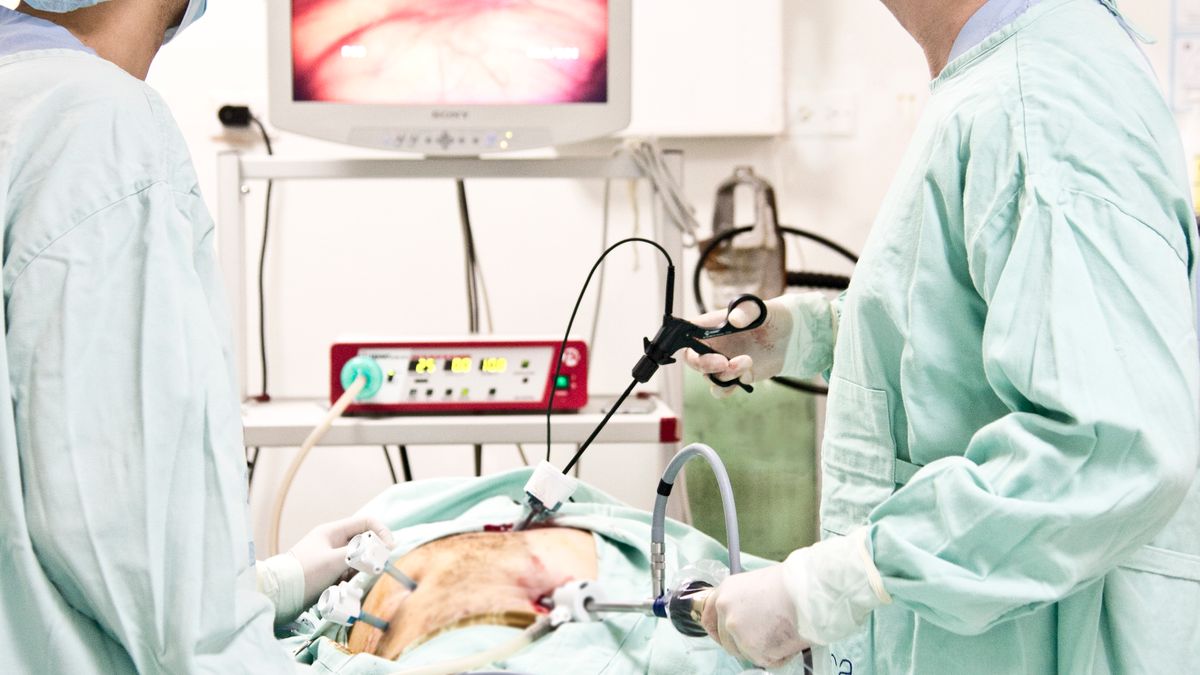
Most patients imagine a long cut across the abdomen, ten days in hospital and a month off work. That was accurate in 1985. It is not how the operation is done today at our minimal access surgery unit.
- Before the day. Blood tests, an ultrasound, a liver function panel, an ECG and an anaesthetic review. Our radiology team may add an MRCP scan if there is any suspicion of a stone in the bile duct, because finding that before surgery rather than during it changes the plan.
- The operation. Under general anaesthesia, through three or four incisions of 5 to 10 mm. The abdomen is gently inflated with carbon dioxide to create working space, a camera goes in through one port and fine instruments through the others. The gallbladder is separated from the liver bed, the cystic duct and artery are secured, and the whole gallbladder is removed with the stones still inside it.
- Why the whole gallbladder, not just the stones. This is the question every patient asks. A gallbladder that forms stones will form them again; removing stones alone leads to recurrence, so it is not offered. The gallbladder is a storage organ, not an essential one.
- Duration. Typically 45 to 90 minutes for a straightforward case. Longer if the gallbladder is acutely inflamed or scarred from repeated attacks, which is one more argument for not postponing indefinitely.
- Conversion to open surgery. Occasionally a case is converted to a conventional open operation because of dense adhesions or unclear anatomy. This is not a complication or a failure; it is a deliberate safety decision, and your surgeon will explain it as a possibility beforehand.
- Stay. Many patients go home the same day. Others stay one night. Prolonged stays are the exception, usually where there was significant inflammation or an additional procedure was needed.
The Recovery Timeline Patients Are Usually Surprised By
Expectations set correctly make recovery feel straightforward. Here is the honest sequence.
Day 0 — the same evening
Sitting up and walking within a few hours. Sips of water, then a light meal. Pain is managed with simple analgesia. Expect some shoulder tip discomfort — this comes from residual carbon dioxide irritating the diaphragm, not from the wounds, and walking helps clear it faster than lying still.
Days 1 to 3 — home
Discharge on day 0 or 1 in most cases. Normal light food, short walks several times a day, wounds kept dry with dressings changed as instructed. Most people stop needing regular painkillers by around day three.
Week 1 — back to desk work
Office work and driving are usually possible around a week, once you are off strong painkillers and can perform an emergency stop comfortably. Physical or lifting-heavy work waits longer.
Weeks 3 to 4 — full activity
Heavy lifting, gym training and physically demanding work resume around three to four weeks. Internal healing continues after you feel well, which is why the lifting restriction outlasts the discomfort.
On diet afterwards: the liver keeps producing bile, which now flows directly into the intestine instead of being stored. Most people eat completely normally. A minority notice looser stools or urgency after very fatty meals in the first few months, which typically settles as the ducts adapt. If it persists, our dietetics team can help adjust fat distribution across meals rather than cutting fat out. Lifelong restriction is not required for most patients, and telling someone otherwise is usually outdated advice.
When Gallbladder Pain Is Actually Something Else
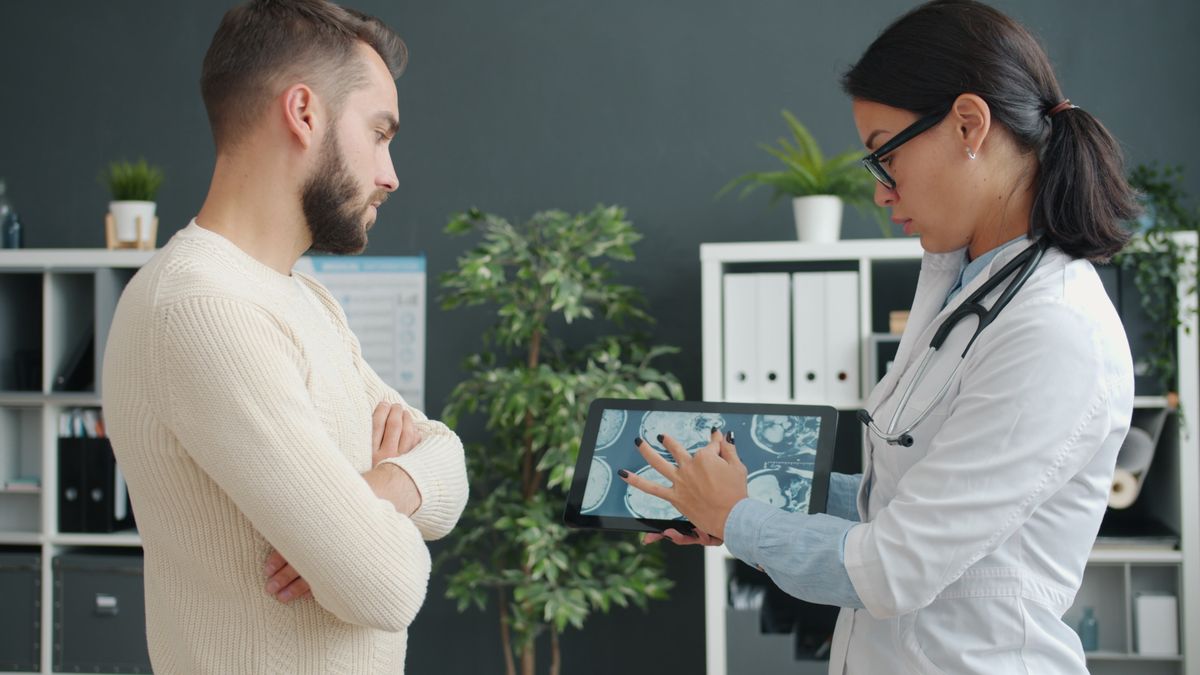
An important caution that responsible surgeons raise before operating: gallstones are common, and finding them on a scan does not automatically mean they are the cause of a patient's symptoms. Removing a gallbladder for pain it was not producing leaves the patient with the same pain and one fewer organ. So we work through the alternatives deliberately.
- Acidity and reflux disease. Burning upper abdominal or chest discomfort, worse lying down and after spicy food, often relieved by antacids. Our guide to acidity symptoms and treatment covers this pattern in detail.
- Peptic ulcer disease. Gnawing epigastric pain related to hunger or specific foods, sometimes waking the patient at night. An endoscopy by our gastroenterology team settles it.
- Trapped gas and functional dyspepsia. Genuinely common and genuinely painful, and frequently mislabelled as gallbladder pain. See our guides on gas pain symptoms and chest gas pain.
- Cardiac pain. This one matters most. A heart attack in the inferior wall of the heart can present as upper abdominal pain with nausea and sweating, and it has been mistaken for gallbladder pain more than once. Anyone over 40 with risk factors and new upper abdominal pain should have an ECG. Read our guides on silent heart attack symptoms and telling gas pain from heart attack pain.
- Liver conditions. Hepatitis and fatty liver can cause right upper abdominal heaviness. Abnormal SGPT and SGOT liver enzyme levels point this way, and our note on liver infection symptoms covers the presentation.
- Right-sided kidney or appendix pathology. Both can produce right-sided abdominal pain that patients attribute to the gallbladder. Our guide to right-sided abdominal pain works through the causes by location.
- Right lower lobe pneumonia. Uncommon but real, particularly in older patients, where chest infection presents as upper abdominal pain rather than cough.
Been managing gallstone pain with diet for years?
Bring your ultrasound reports to Raj Hospitals, Bariatu Road, Ranchi for a surgical opinion. Same-day imaging and blood work, laparoscopic cholecystectomy by experienced minimal access surgeons, and most patients home within 24 hours.
Frequently Asked Questions
What does gallbladder pain after eating feel like?
A steady, building pain in the upper right abdomen or just below the breastbone, starting roughly 30 minutes to 2 hours after a fatty or heavy meal. It often radiates to the right shoulder blade or the back, lasts from 30 minutes to a few hours, and settles on its own. Nausea is common and vomiting does not usually relieve it. Between attacks patients feel completely normal.
Why does avoiding fatty food not cure gallstones?
Avoiding fat reduces how often the gallbladder contracts, so attacks become less frequent. It does nothing to the stones themselves, which remain and usually grow. The risk of a stone blocking the duct and causing acute inflammation, jaundice or pancreatitis does not fall. Diet management postpones symptoms rather than treating the problem.
What does laparoscopic gallbladder removal involve?
General anaesthesia and three or four incisions of 5 to 10 mm. A camera and fine instruments pass through these ports, the abdomen is inflated with carbon dioxide for working space, and the gallbladder is separated from the liver and removed with the stones inside it. The operation typically takes 45 to 90 minutes and many patients go home the same day or after one night.
How long does recovery take after keyhole gallbladder surgery?
Most patients walk within a few hours and eat a light meal the same evening. Desk work is usually possible in about a week, and full physical activity including lifting at three to four weeks. Shoulder tip discomfort in the first day or two comes from the surgical gas, not the wounds, and walking clears it faster.
Can you live normally without a gallbladder?
Yes. The gallbladder stores and concentrates bile, but the liver keeps producing it and it flows straight into the intestine instead. Most people eat a completely normal diet. A minority notice looser stools after very fatty meals in the first few months, which usually settles as the ducts adapt. Lifelong dietary restriction is not required for most patients.
When do gallstones become an emergency?
Seek urgent care if pain lasts more than about six hours, if there is fever with chills, if eyes or skin turn yellow, if urine darkens or stools go pale, if pain bores through to the back with persistent vomiting, or if the abdomen becomes rigid. These suggest acute cholecystitis, a blocked bile duct, cholangitis or gallstone pancreatitis, all needing hospital treatment.
Do gallstones without symptoms need surgery?
Usually not. Stones found incidentally in someone who has never had pain are generally observed. Surgery is considered even without symptoms in specific situations such as very large stones, a calcified gallbladder wall, gallbladder polyps above a certain size, or where cancer risk is a particular concern. It is an individual decision to make with a surgeon after reviewing your scan.
Can medicines dissolve gallstones instead of surgery?
Bile acid tablets can dissolve some small cholesterol stones, but treatment takes many months, works only for a narrow subset of stones in a functioning gallbladder, and stones commonly return once the medication stops. It is generally reserved for patients who cannot undergo surgery. For most people with symptomatic gallstones, removing the gallbladder remains definitive.
Who is most likely to develop gallstones?
Risk rises with age, is higher in women, and increases with pregnancy, obesity, rapid weight loss, diabetes, a high-fat low-fibre diet and a family history of gallstones. In eastern India, including Jharkhand, gallstone disease is particularly common, which is one reason persistent upper abdominal pain here deserves an ultrasound rather than repeated courses of antacids.
Related Digestive Health Guides
- Right-sided abdominal pain — पेट के दाहिनी ओर दर्द के कारण
- Acidity symptoms and treatment — एसिडिटी के लक्षण और इलाज
- Gas pain symptoms — गैस के दर्द को पहचानें
- Liver infection symptoms — लिवर संक्रमण के लक्षण
- Food poisoning symptoms — when abdominal pain is not the gallbladder
- Minimal Access Surgery at Raj Hospitals Ranchi — laparoscopic and keyhole procedures
- Dr. Ashish Kumar Modi — Laparoscopic Surgery, Raj Hospitals Ranchi
- Dr. Ravish Ranjan — Gastroenterology, Raj Hospitals Ranchi
Last updated: September 2, 2026 · Medically reviewed by our consultant laparoscopic surgeons · About Raj Hospitals
Medical disclaimer: This article is general education and is not a substitute for a surgical consultation. The decision to remove a gallbladder depends on your symptoms, scan findings, other conditions and fitness for anaesthesia. Seek urgent care for prolonged pain, fever or jaundice rather than acting on this page.