


 Cardiology
  Critical Care
  Emergency
  Gastroenterology
  Minimal Access Surgery
  Nephrology
  Neuro & Spine Surgery
  Neurology
  Oncology (Cancer Care)
  Orthopaedics & Joint Replacement
  Pulmonology
  Urology
  Aesthetic & Reconstructive Surgery
  Dental
  Dermatology
  ENT
ENT  Eye Care
  Haematology
  Internal Medicine
  Nutrition & Dietetics
  Obstetrics & Gynaecology
  Pediatrics & Neonatology
  Physiotherapy & Rehabilitation
  Psychiatry & Mental Health
  Radiology
  FNAC, Biopsy, Blood & Laboratory Investigations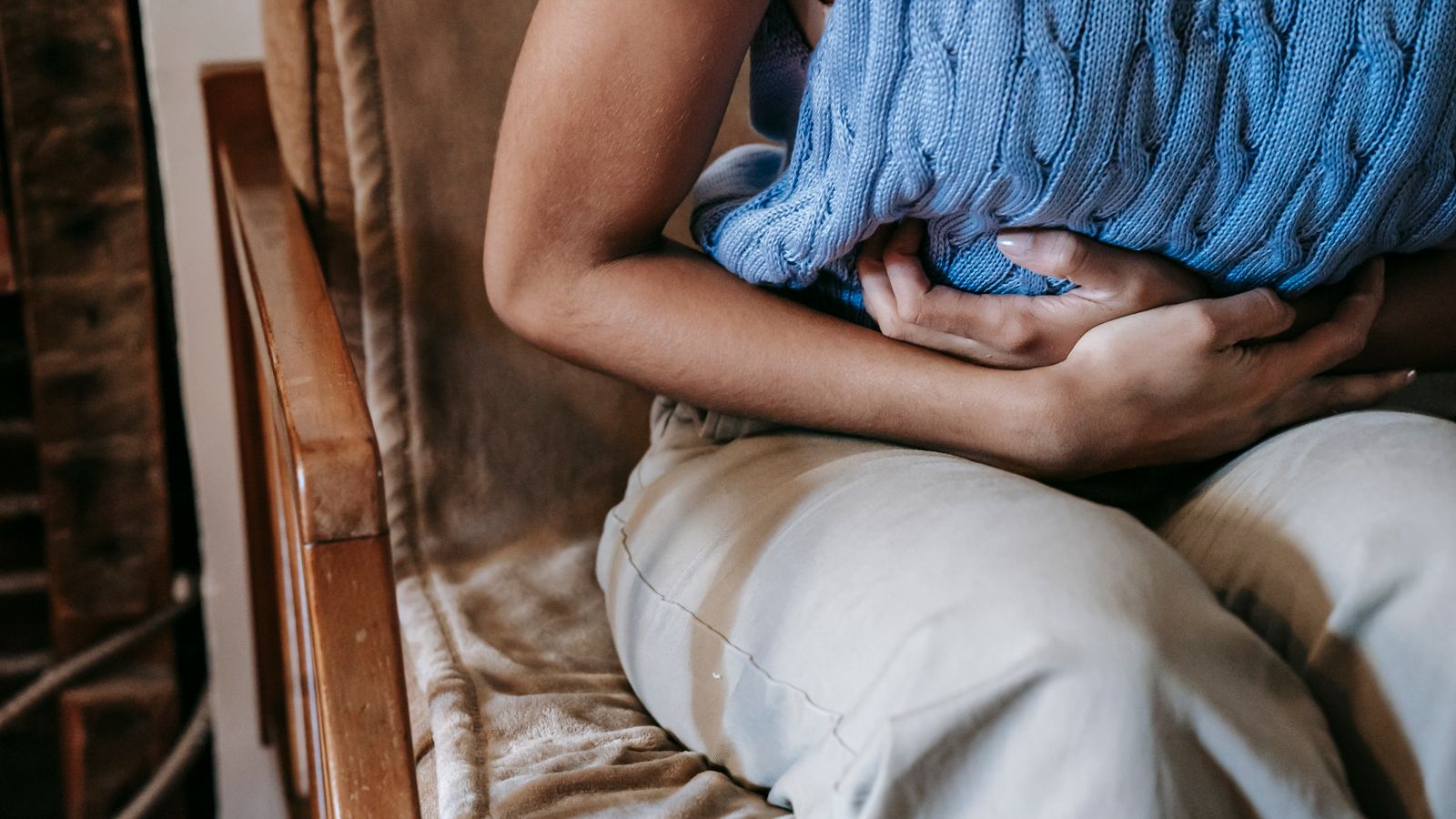
Kidney Stone or Kidney Infection? How Doctors Tell the Difference
A patient arrives at midnight, pale, sweating, unable to sit still, gripping the right side of their back. In the next cubicle another patient has almost identical pain but is lying very still under a blanket, shivering, running a temperature. Both will tell you it is "kidney pain". Only one of them has a stone. Getting this distinction right in the first hour matters, because kidney stones and kidney infections need completely different treatment, and getting it wrong in either direction wastes time the patient may not have.
Why the Pain Can Feel Identical at First
The kidney sits behind the abdominal cavity, wrapped in a tough fibrous capsule with a rich nerve supply. That capsule is the key to understanding both conditions. It has very little give. Anything that stretches it — urine backing up behind a stone, or an inflamed swollen kidney in infection — produces intense pain in the same place, the flank, roughly between the lowest rib and the top of the hip at the back.
Because the trigger is the same structure, the initial location is the same, and in the first hour a patient genuinely cannot tell you which one they have. What separates them is not where the pain is but how the pain behaves over time, and what the rest of the body is doing alongside it.
In a stone, the ureter — the narrow muscular tube carrying urine from kidney to bladder — grips the stone and contracts hard against the obstruction. Those contractions come in waves, which is why the pain surges to a peak, eases, then surges again. That wave pattern is called renal colic, and it is highly characteristic. In an infection, there is no obstruction and no muscular spasm. Bacteria have travelled up from the bladder into the kidney tissue, and the resulting inflammation produces a constant, heavy, deep ache along with the systemic features of any serious infection: fever, rigors, malaise and a fast pulse.
Kidney Stone vs Kidney Infection Symptoms: The Tell-Tale Differences
These are the three signals our physicians rely on most before any test comes back.
Points towards a kidney stone
- Wave-like pain that peaks and eases every few minutes
- Radiates downward from the flank towards the groin, testicle or labia as the stone moves lower
- Restlessness — the patient paces, rolls, cannot lie still
- Nausea and vomiting from the sheer intensity of the pain
- Blood in the urine, sometimes visible, more often only on testing
- Usually no fever unless infection has been added on top
- Urgency and frequency when the stone reaches the lower ureter near the bladder
Points towards a kidney infection
- Fever, often high, with shaking chills or rigors
- Constant dull ache in the flank rather than waves
- Patient lies still — movement and a tap over the kidney hurt sharply
- Cloudy, foul-smelling urine, sometimes with visible sediment
- Burning on urination, urgency and frequency often for a day or two beforehand
- Feeling generally unwell — body ache, weakness, poor appetite
- More common in women, in diabetes, in pregnancy and after catheterisation
A useful bedside detail worth knowing: a patient with renal colic cannot keep still, while a patient with peritonitis or an inflamed kidney will not move. Emergency physicians notice this from the doorway. It is not diagnostic on its own, but it shapes the first working impression, along with tenderness on gently tapping the back over the kidney, which is far more typical of infection.
Two complications of this picture are worth flagging. Firstly, a lower urinary tract infection can climb to the kidney, so a patient who has had burning urination and urinary infection symptoms for several days and then develops fever and flank pain has almost certainly progressed to a kidney infection. Secondly, flank pain is not always renal at all. Right-sided abdominal pain can come from the gallbladder or appendix, and lower back pain from a spinal cause, which our guide on gas-related back pain covers separately.
How a Urine Test and Scan Settle It Quickly
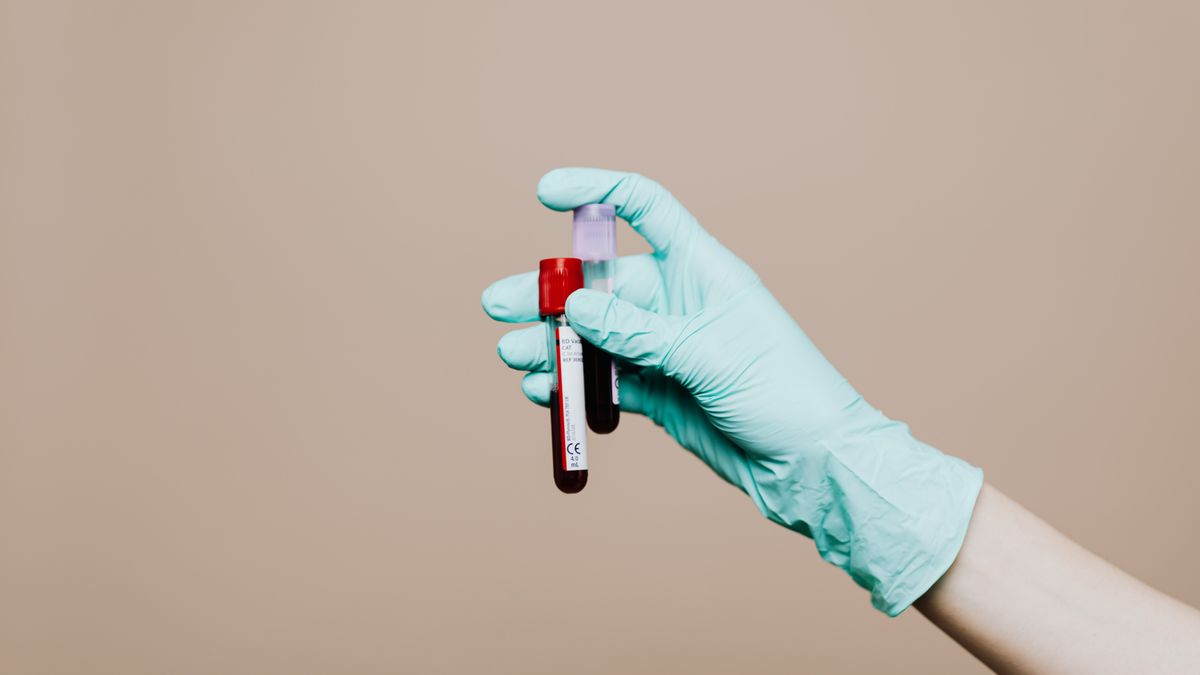
Diagnosis does not need to be slow. At our laboratory in Ranchi, the first two results are usually back within the hour.
- Urine routine and microscopy. The workhorse test. Plenty of pus cells with nitrites and bacteria means infection. Red blood cells with few or no pus cells points to a stone. Note that both can be present together, which is exactly the situation that needs urgent attention.
- Urine culture and sensitivity. Takes 48 hours but identifies the organism and which antibiotic will actually work. Always sent before starting antibiotics wherever possible, because antibiotic resistance in urinary organisms is now common across India.
- Ultrasound of the kidneys, ureters and bladder. The usual first scan. It shows swelling of the kidney from obstruction, most stones in the kidney itself, and any collection of pus. It is quick, radiation-free and safe in pregnancy.
- Non-contrast CT scan of the abdomen. The most accurate test for stones, showing size, exact position and the degree of obstruction. Our radiology department runs this round the clock, because these decisions rarely wait for daylight.
- Blood tests. White cell count and inflammatory markers to gauge infection severity, and a kidney function test measuring creatinine and urea to check whether the kidneys are being harmed. Blood cultures are added when there is high fever.
Treatment Paths: Stones and Infections Are Not Interchangeable
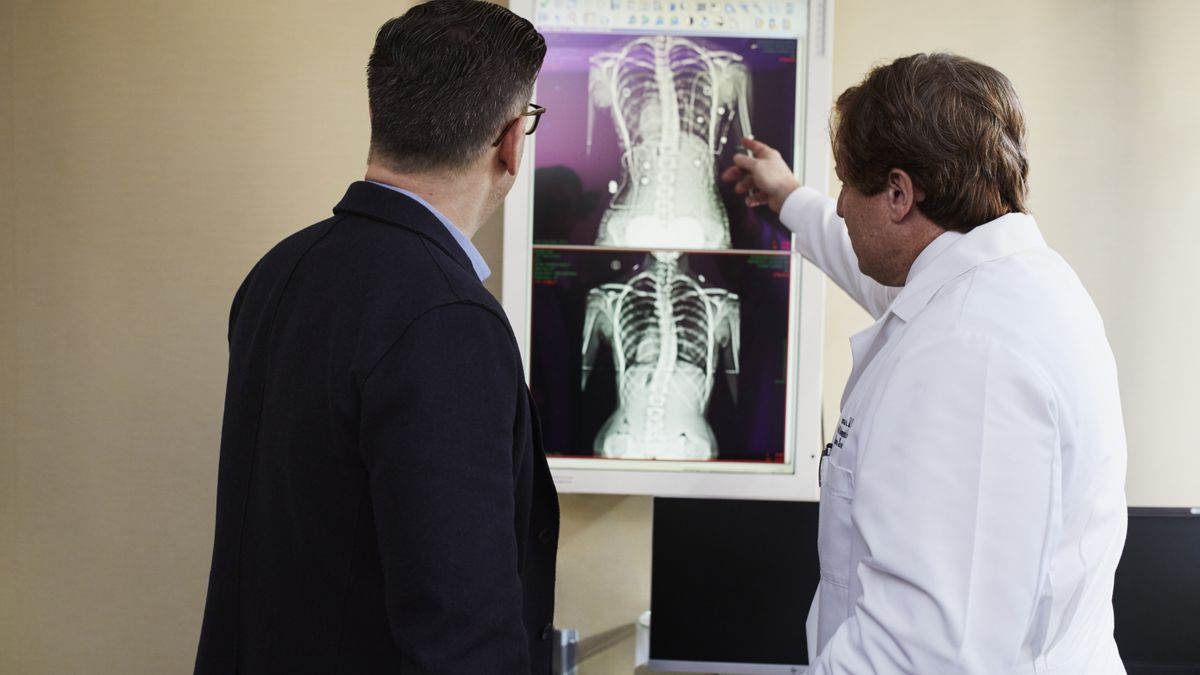
If it is a stone. Treatment depends on size, position and whether the kidney is obstructed — not on how much it hurts, since small stones are often the most painful ones.
- Small stones, roughly under 5 mm. Most pass on their own with good hydration and adequate pain relief. A medicine that relaxes the ureter is sometimes added to improve the chance of spontaneous passage. Strain the urine so the stone can be sent for analysis, which guides prevention.
- Medium stones. Shock wave lithotripsy breaks the stone from outside the body so the fragments pass naturally, without any incision.
- Stones in the ureter or larger kidney stones. Ureteroscopy or retrograde intrarenal surgery reaches the stone through the natural urinary passage with a fine telescope and a laser, with no external cut at all.
- Large or complex kidney stones. Percutaneous nephrolithotomy removes them through a small track in the back, and remains the standard for bulky stone burden.
- Pain relief matters clinically, not just for comfort. Uncontrolled colic drives vomiting and dehydration, which makes passage less likely. Do not tough it out at home for days.
If it is an infection. The treatment is antibiotics, but the choice and route matter.
- Mild cases in an otherwise healthy adult can be treated with oral antibiotics at home, with a clear review point if fever does not settle within 48 to 72 hours.
- Admission for intravenous antibiotics is standard for high fever, persistent vomiting, dehydration, pregnancy, diabetes, existing kidney impairment, a single kidney, or any suspicion of obstruction.
- The full course must be completed. A partially treated kidney infection recurs and can leave permanent scarring, which over years contributes to reduced kidney function and high blood pressure. This is a large part of why our nephrology team in Ranchi takes recurrent urinary infections seriously rather than treating each episode in isolation.
- Recurrent infection needs a cause hunt. A stone, an anatomical abnormality, an enlarged prostate causing incomplete bladder emptying, or poorly controlled diabetes. Treating episodes without finding the reason guarantees the next episode. Our urology department handles this assessment.
Two cautions on self-treatment. Leftover antibiotics from a previous illness are one of the biggest drivers of resistant urinary infections in India, and taking a partial course before a culture is sent makes the next episode harder to treat. And painkillers of the non-steroidal type, while genuinely effective for renal colic, can worsen kidney function if the kidneys are already stressed or the patient is dehydrated. Both decisions belong with a doctor who has seen the reports.
Prevention Habits That Help With Both
Stones and urinary infections share one dominant risk factor in Jharkhand: concentrated urine. Heat, physical outdoor work and inadequate fluid replacement produce a small volume of highly concentrated urine, which both encourages crystals to form and gives bacteria a friendlier environment. Almost everything useful follows from fixing that.
Fluid, spread through the day
Aim for enough that urine stays pale straw coloured, usually around 2.5 to 3 litres daily for an adult, and more on hot days or with physical work. Volume across the day matters more than volume at once. Our guide to spotting dehydration early covers the warning signs.
Less salt, moderate animal protein
High salt intake pushes more calcium into the urine, and heavy meat, fish and egg intake raises uric acid and lowers urinary citrate. Both make stones more likely. Our note on high uric acid symptoms explains the overlap with gout.
Keep normal dietary calcium
Cutting calcium to prevent stones backfires. Dietary calcium binds oxalate in the gut so it leaves in stool rather than urine. Restricting it raises urinary oxalate and harms bone. Limit very high oxalate foods instead, and add citrus, since citrate inhibits stone formation.
Do not hold urine
Long gaps allow bacteria to multiply in the bladder. Empty regularly, and empty after intercourse. For men over 50 with poor stream or a sense of incomplete emptying, get the prostate assessed — residual urine is a standing invitation to infection.
One more prevention step that people skip: send the stone for analysis if you pass one. Calcium oxalate, uric acid, struvite and cystine stones have different causes and different prevention strategies, and knowing which one you make converts generic advice into a specific plan. If you have diabetes, tight sugar control also matters here, since high urine glucose feeds bacterial growth and diabetic patients get more severe kidney infections with fewer warning symptoms.
Flank pain with fever? Get assessed today.
Raj Hospitals, Bariatu Road, Ranchi offers same-day urine testing, ultrasound and CT imaging, with nephrology and urology consultants available and a 24x7 emergency service for obstructed or infected kidneys.
Frequently Asked Questions
What is the main difference between kidney stone pain and kidney infection pain?
Kidney stone pain comes in waves that rise to an unbearable peak then ease, often radiating from the flank down towards the groin, and the patient cannot find a comfortable position. Kidney infection pain is a steadier, duller ache fixed in the flank, usually with fever and chills, and the patient tends to lie still because movement makes it worse. Fever with rigors points strongly to infection.
Can you have a kidney stone and a kidney infection at the same time?
Yes, and it is a urological emergency. When a stone blocks the ureter and the trapped urine becomes infected, pus builds up in a closed system that antibiotics alone cannot clear. This infected obstructed kidney can progress to sepsis within hours and needs urgent drainage with a stent or nephrostomy alongside antibiotics. Fever with severe flank pain always needs same-day assessment.
Which tests confirm whether it is a kidney stone or a kidney infection?
A urine routine and microscopy comes first and takes under an hour. Pus cells with nitrites point to infection, red cells without pus cells point to a stone. A urine culture identifies the organism. Ultrasound of the kidneys, ureters and bladder is the usual first scan, and a non-contrast CT is the most accurate test for stones. Blood tests for white cell count and creatinine complete the picture.
Can a kidney stone pass on its own without surgery?
Many can. Stones under about 5 mm pass spontaneously in most cases with good hydration, pain relief and sometimes medication to relax the ureter. Stones above about 10 mm are unlikely to pass. The decision also depends on position, whether the kidney is obstructed, and whether infection is present. A stone that has not passed in several weeks or is obstructing needs intervention regardless of size.
What are the warning signs that kidney pain has become an emergency?
Fever above 38 degrees Celsius with flank pain, shaking chills, vomiting that prevents keeping fluids or medicines down, pain not controlled by painkillers, confusion or extreme drowsiness, a marked drop in urine output, or flank pain in someone with a single kidney, a transplanted kidney, diabetes or pregnancy. Any of these means going to the emergency department rather than waiting for morning.
Why do kidney stones affect people in Jharkhand more in hot weather?
Heat and heavy sweating reduce urine volume, so dissolved salts become concentrated and crystallise more readily. People doing outdoor or physical work often lose several litres a day and replace far less. Concentrated urine also suits bacteria, which is why stones and urinary infections cluster in the same season. Consistent fluid intake through the day is the single most effective preventive habit.
Should I avoid calcium to prevent kidney stones?
No. Normal dietary calcium binds oxalate in the intestine so it leaves in stool rather than being absorbed and excreted in urine. Cutting dietary calcium can raise urinary oxalate and make stones more likely, while harming bone health. What genuinely helps is more fluid, less salt, moderate animal protein and limiting very high oxalate foods. Calcium supplements are a separate question for your doctor.
How is a kidney infection treated?
With antibiotics, chosen empirically at first and adjusted once the urine culture returns. Mild cases can be managed orally at home. Patients with high fever, vomiting, dehydration, pregnancy, diabetes, kidney impairment or any sign of obstruction are usually admitted for intravenous antibiotics and fluids. Completing the full course matters, because partial treatment leads to recurrence and kidney scarring.
Is blood in the urine always a kidney stone?
No. Stones are a common cause, but visible or microscopic blood in urine can also come from infection, an enlarged prostate, injury, certain medications, kidney disease, or tumours of the urinary tract. Painless visible blood in the urine in particular should never be dismissed and needs a urology assessment, even if it happens once and then stops.
Related Kidney and Urology Guides
- Kidney stone ka ilaj — पथरी के इलाज के सभी विकल्प
- Kidney stone symptoms in men — पुरुषों में पथरी के लक्षण
- Kidney infection symptoms in Hindi — किडनी संक्रमण के लक्षण
- KFT test explained — what a kidney function test actually measures
- Swelling in the legs — when it points to a kidney problem
- Nephrology at Raj Hospitals Ranchi — kidney disease and dialysis care
- Dr. Avinash Kumar Dubey — Nephrology, Raj Hospitals Ranchi
- Dr. Sunil Kumar — Urology, Raj Hospitals Ranchi
Last updated: September 2, 2026 · Medically reviewed by our consultant nephrologists and urologists · About Raj Hospitals
Medical disclaimer: This article is general education and cannot diagnose your pain. Kidney stones and kidney infections can coexist, and the combination is dangerous. Do not start antibiotics or painkillers on your own, and seek same-day care if you have fever with flank pain.