.svg)

Typhoid fever is a serious bacterial infection caused by Salmonella typhi, which can lead to severe complications if left untreated. It primarily spreads through contaminated food and water, and while the symptoms are initially mild, they can worsen rapidly if not addressed. If you or a loved one is experiencing symptoms of typhoid, it is crucial to seek treatment immediately. In this blog, we will explore what is the best treatment for typhoid fever, the symptoms, and why early intervention is critical.
What is Typhoid Fever?
Typhoid fever is an infectious disease caused by the bacteria Salmonella typhi. It typically affects the intestines and bloodstream, leading to symptoms like fever, abdominal pain, weakness, and gastrointestinal issues. The disease is commonly spread through contaminated food or water, and it remains a significant health concern in areas with inadequate sanitation or hygiene practices.
While typhoid fever can affect anyone, it is more prevalent in developing countries, where sanitation and access to clean drinking water may be limited. The infection can range from mild to severe, and without proper treatment, it can lead to life-threatening complications.
Symptoms of Typhoid Fever

Before addressing what is the best treatment for typhoid fever, it is essential to recognize the symptoms. Early detection can prevent the disease from worsening and help in selecting the best course of treatment. The symptoms of typhoid fever typically develop one to three weeks after exposure and can vary from mild to severe. Common symptoms include:
- High Fever: A persistent high fever is one of the hallmark symptoms of typhoid fever. It may start low and gradually increase to 103°F or higher.
- Abdominal Pain: Patients often experience pain or discomfort in the abdomen, which can become severe as the infection progresses.
- Headache: A persistent headache is another common symptom that often accompanies the fever.
- Weakness and Fatigue: As the infection progresses, individuals may feel weak, fatigued, and unable to carry out daily activities.
- Gastrointestinal Issues: Diarrhea or constipation is common. Some people may also experience nausea and vomiting.
- Rash: A rash of flat, rose-colored spots may appear on the chest or abdomen.
- Loss of Appetite: A decrease in appetite and general discomfort while eating is also a typical symptom.
Recognizing these typhoid fever symptoms early can help you seek medical attention promptly, which is essential for effective treatment.
What is the Best Treatment for Typhoid Fever?
When it comes to what is the best treatment for typhoid fever, the most effective approach is a combination of antibiotics, supportive care, and lifestyle adjustments. Let’s explore these treatment options in detail:
1. Antibiotics
The primary treatment for typhoid fever is antibiotics. These medications help eliminate the Salmonella bacteria causing the infection. The choice of antibiotic depends on the resistance patterns in the region and the severity of the infection. Common antibiotics used to treat typhoid fever include:
- Ciprofloxacin: Often used for uncomplicated typhoid fever, it is effective against Salmonella.
- Azithromycin: This is another commonly used antibiotic, especially in cases where Salmonella is resistant to other medications.
- Ceftriaxone: For severe cases or patients who cannot take oral antibiotics, ceftriaxone is administered intravenously.
- Chloramphenicol: This is an older antibiotic but may still be used in some cases.
It is essential to complete the full course of antibiotics as prescribed by the doctor, even if the symptoms subside before the treatment ends. Stopping the medication early may lead to the development of antibiotic resistance.
2. Supportive Care
In addition to antibiotics, supportive care plays a crucial role in the treatment of typhoid fever. This type of care helps manage the symptoms and prevent complications. Key aspects of supportive care include:
- Hydration: Patients with typhoid fever often experience dehydration due to fever, diarrhea, or vomiting. It is essential to maintain proper fluid intake to avoid dehydration. Oral rehydration solutions (ORS) can help restore lost fluids and electrolytes.
- Rest: Rest is essential for the body to recover from the infection. Adequate sleep and minimal physical exertion will allow the body to focus on healing.
- Dietary Adjustments: While suffering from typhoid, a patient’s appetite may decrease. A soft, bland diet can help prevent further irritation of the gastrointestinal system. It is best to avoid heavy, spicy, or greasy foods.
- Pain Management: Over-the-counter pain medications, such as acetaminophen, can help reduce fever and alleviate discomfort. It is essential to avoid medications like aspirin, as they may cause complications in children with typhoid.
3. Hospitalization for Severe Cases
For individuals with severe typhoid fever, hospitalization may be required. Severe cases can include high fever, severe abdominal pain, bleeding, or the development of complications such as perforation of the intestines. In these cases, intravenous antibiotics and fluids may be administered. Monitoring in a hospital setting can help ensure that any complications are addressed immediately, and the patient remains stable.
Hospitalization is also essential for individuals who are unable to keep fluids down, as dehydration can become life-threatening if not addressed.
4. Surgical Intervention for Complications
In rare cases, typhoid fever can lead to severe complications, such as the perforation of the intestines, which can result in peritonitis (infection of the abdominal cavity). If these complications occur, surgical intervention may be necessary. Surgery may involve repairing the perforated section of the intestine or draining any abscesses caused by the infection.
While the need for surgery is uncommon, it is crucial to monitor symptoms closely and seek immediate medical attention if there are signs of complications.
5. Preventive Measures
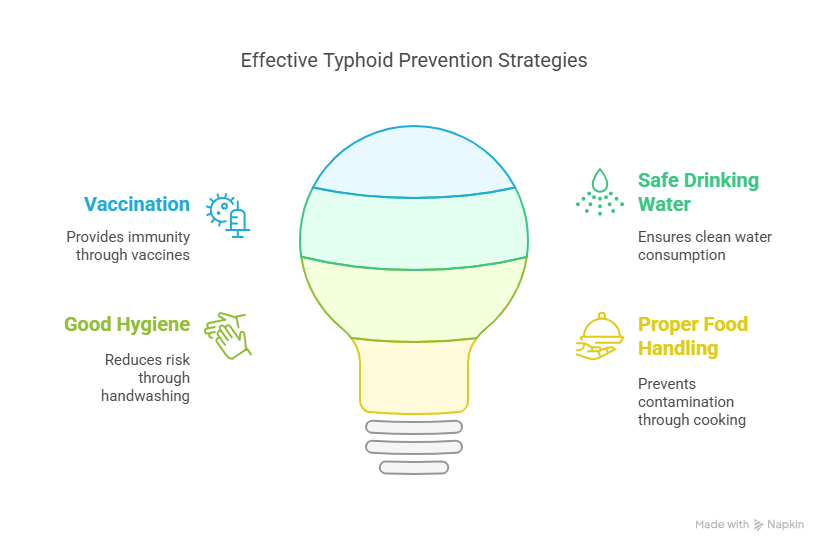
Prevention plays a vital role in reducing the spread of typhoid fever. Some effective preventive measures include:
- Vaccination: Vaccines are available for typhoid fever and can provide protection against the disease. The typhoid vaccine is recommended for travelers to areas where the disease is common or for individuals living in regions with inadequate sanitation.
- Safe Drinking Water: Drinking clean, filtered water is essential for preventing typhoid fever. Avoid drinking untreated water or consuming food from unhygienic sources.
- Good Hygiene: Washing hands frequently with soap and water, especially before eating and after using the toilet, can significantly reduce the risk of contracting typhoid fever.
- Proper Food Handling: Ensure that food is properly cooked and handled to prevent contamination. Avoid raw or undercooked foods in areas where typhoid fever is common.
When to Seek Medical Help
If you notice any typhoid fever symptoms, it is essential to seek medical help immediately. Early diagnosis and treatment can help prevent complications and speed up recovery. If left untreated, typhoid fever can cause severe dehydration, bleeding, and even organ failure.
Visit Raj Hospital for professional consultation and diagnosis if you suspect that you or a loved one has typhoid fever. Our expert doctors and healthcare team are equipped with the knowledge and experience to provide the best treatment for typhoid fever.
Now fight thyroid with the best doctors in Ranchi!
Make An AppointmentConclusion
In conclusion, what is the best treatment for typhoid fever involves the use of antibiotics, supportive care, and, in severe cases, hospitalization or surgical intervention. By recognizing the typhoid fever symptoms early and seeking timely treatment, you can avoid complications and recover faster. Preventive measures such as vaccination, proper hygiene, and safe food and water consumption are also crucial to reduce the risk of contracting the disease.
If you suspect that you have typhoid fever, consult a healthcare professional immediately. Raj Hospital offers comprehensive care and treatment options for typhoid fever to ensure a speedy and effective recovery. With the right treatment, you can overcome this infection and return to a healthy life.










Nice 👍