Dengue fever is a viral illness transmitted by mosquitoes, particularly the Aedes aegypti mosquito. It is prevalent in tropical and subtropical regions and can cause a range of symptoms, from mild to severe. If not managed properly, dengue fever can lead to serious complications. Understanding what is the best treatment for dengue fever can help individuals recover faster and avoid severe complications. In this blog, we will discuss the symptoms, treatment options, and preventive measures to manage dengue fever effectively.
What is Dengue Fever?
Dengue fever is caused by the dengue virus, which is transmitted to humans through the bite of infected mosquitoes. It is common in regions where mosquito-borne diseases are prevalent, such as Southeast Asia, Africa, and parts of Central and South America. The disease is characterized by sudden onset of high fever, severe headaches, pain behind the eyes, joint and muscle pain, skin rashes, and mild bleeding.
While dengue fever is usually not fatal, it can cause significant discomfort and complications, particularly in severe cases, known as dengue hemorrhagic fever or dengue shock syndrome.
Symptoms of Dengue Fever
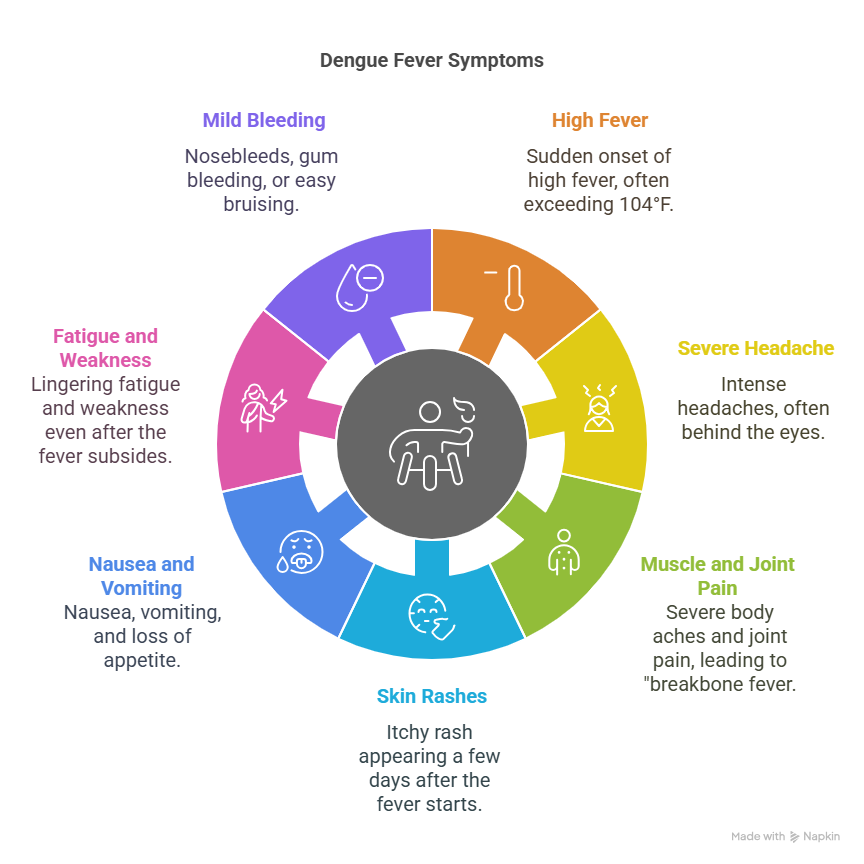
Recognizing the dengue fever symptoms early is essential for prompt treatment. The symptoms can range from mild to severe, and in some cases, they may develop quickly. Common dengue fever symptoms include:
- High Fever: A sudden onset of high fever, often exceeding 104°F (40°C), is one of the first signs of dengue fever.
- Severe Headache: Many individuals experience intense headaches, often behind the eyes.
- Pain in Muscles and Joints: Severe body aches and joint pain are common with dengue, leading to it being called “breakbone fever.”
- Skin Rashes: A rash often appears a few days after the fever starts. It can be itchy and spread to most parts of the body.
- Nausea and Vomiting: Many individuals with dengue fever experience nausea, vomiting, and loss of appetite.
- Fatigue and Weakness: Even after the fever subsides, fatigue and weakness can linger for weeks.
- Mild Bleeding: This includes nosebleeds, gum bleeding, or easy bruising.
What is the Best Treatment for Dengue Fever?
There is no specific antiviral treatment for dengue fever, but there are several ways to manage the symptoms and reduce complications. Let’s explore what is the best treatment for dengue fever and how to address the symptoms effectively.
1. Hydration
One of the most critical aspects of dengue fever treatment is ensuring proper hydration. Dehydration is a common complication of dengue, as the fever, vomiting, and diarrhea can cause significant fluid loss. Drinking plenty of fluids helps to replace the lost fluids and prevents dehydration, which is especially important in severe cases of dengue fever.
- Oral Rehydration Solutions (ORS): These solutions help replenish lost electrolytes and fluids.
- Clear Fluids: Drinking clear fluids like coconut water, soups, and water is essential.
In severe cases of dehydration, intravenous (IV) fluids may be required to restore proper fluid balance.
2. Pain and Fever Management
Managing pain and fever is an essential part of what is the best treatment for dengue fever. Fever and body pain can be debilitating, so it’s important to use medications that help reduce these symptoms. The following treatments are commonly used:
- Acetaminophen (Paracetamol): This is the most commonly recommended pain-relieving medication for dengue fever. It helps reduce fever and relieves mild to moderate pain.
- Avoid Nonsteroidal Anti-Inflammatory Drugs (NSAIDs): Medications such as ibuprofen, aspirin, and naproxen should be avoided because they can increase the risk of bleeding complications in dengue patients.
It’s important to consult a healthcare provider before taking any medication for dengue fever, especially if there are concerns about bleeding or liver complications.
3. Monitoring for Complications
While there is no direct treatment for the dengue virus itself, the best approach is to monitor the patient closely for complications. Severe dengue, or dengue hemorrhagic fever, can lead to bleeding, low blood pressure, and organ damage. If a patient shows signs of severe dengue, they should be hospitalized for closer monitoring and treatment.
- Monitoring Platelet Count: A significant drop in platelet count can indicate the development of severe dengue. Regular blood tests are essential to track this.
- Managing Shock: In cases of dengue shock syndrome, the patient may need IV fluids, blood transfusions, and supportive care in an intensive care unit (ICU).
4. Rest and Recuperation
Getting plenty of rest is a vital part of the recovery process. Dengue fever symptoms can be overwhelming, and the body needs time to heal. Rest helps the immune system function effectively and speeds up recovery. It is essential to avoid physical exertion during the fever phase and until you have fully recovered from the illness.
- Adequate Sleep: Resting helps reduce fatigue and promotes faster healing.
- Minimize Physical Activity: Avoid strenuous physical activity until fully recovered.
5. Nutritional Support
Eating a balanced diet can help your body recover from dengue fever. While there is no specific food to treat dengue, a nutritious diet can support the immune system and help with recovery.
- Protein-Rich Foods: Foods rich in protein like eggs, lean meats, and legumes help in the repair of body tissues and strengthen immunity.
- Fruits and Vegetables: These provide essential vitamins and minerals that support the body’s healing process. Vitamin C-rich foods like oranges, guavas, and kiwis are particularly beneficial.
6. Prevention of Dengue Fever
The best way to manage dengue fever is to prevent it in the first place. As the virus is transmitted through mosquito bites, taking measures to avoid mosquito exposure is crucial.
- Use Mosquito Repellents: Apply insect repellents on exposed skin, especially during the evening and night when mosquitoes are most active.
- Wear Protective Clothing: Wearing long-sleeved shirts and pants can help minimize exposure to mosquitoes.
- Eliminate Mosquito Breeding Sites: Prevent mosquitoes from breeding by removing standing water from containers, tires, or other areas where mosquitoes can lay eggs.
When to Seek Medical Attention
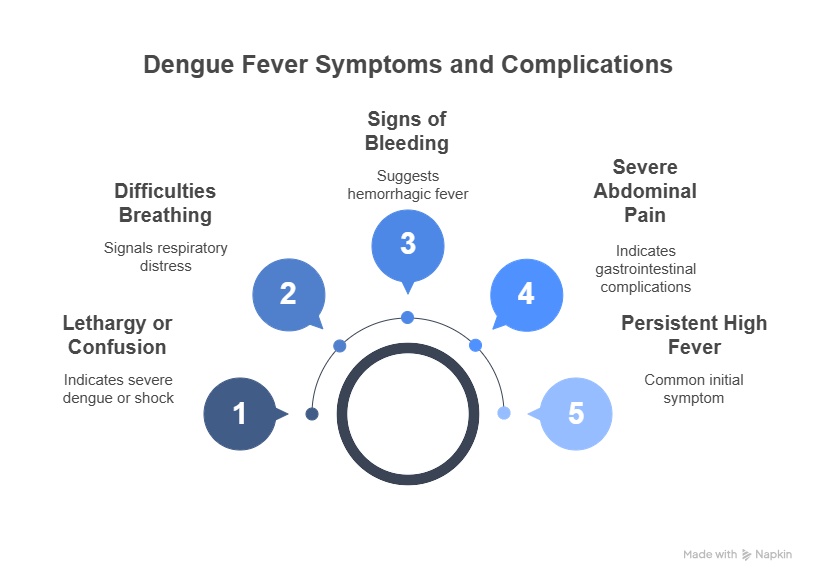
If you or someone you know is experiencing dengue fever symptoms, it is important to seek medical care immediately. While most people recover from dengue with supportive care, severe cases can lead to serious complications. Seek medical attention if any of the following occurs:
- Persistent high fever or a sudden drop in temperature.
- Severe abdominal pain, vomiting, or diarrhea.
- Signs of bleeding, such as nosebleeds, gum bleeding, or unusual bruising.
- Difficulties breathing or rapid breathing.
- Lethargy or confusion, which may indicate severe dengue or shock.
Fight dengue fever with the best treatment. Contact us today!
Make An AppointmentConclusion
In conclusion, what is the best treatment for dengue fever primarily focuses on supportive care, including hydration, pain management, and monitoring for complications. Although there is no specific antiviral treatment for dengue, the appropriate medical care and rest can help manage symptoms and aid recovery. Early diagnosis and intervention are critical in preventing complications, especially in severe cases of the disease.
If you or a loved one experiences dengue fever symptoms, don’t hesitate to seek medical attention. Raj Hospital provides expert care for dengue fever, offering comprehensive treatment options to manage the illness effectively. With the right care and timely treatment, recovery from dengue fever is possible. Stay safe, take preventive measures, and consult a healthcare professional immediately if you suspect dengue fever.