


 Cardiology
  Critical Care
  Emergency
  Gastroenterology
  Minimal Access Surgery
  Nephrology
  Neuro & Spine Surgery
  Neurology
  Oncology (Cancer Care)
  Orthopaedics & Joint Replacement
  Pulmonology
  Urology
  Aesthetic & Reconstructive Surgery
  Dental
  Dermatology
  ENT
ENT  Eye Care
  Haematology
  Internal Medicine
  Nutrition & Dietetics
  Obstetrics & Gynaecology
  Pediatrics & Neonatology
  Physiotherapy & Rehabilitation
  Psychiatry & Mental Health
  Radiology
  FNAC, Biopsy, Blood & Laboratory Investigations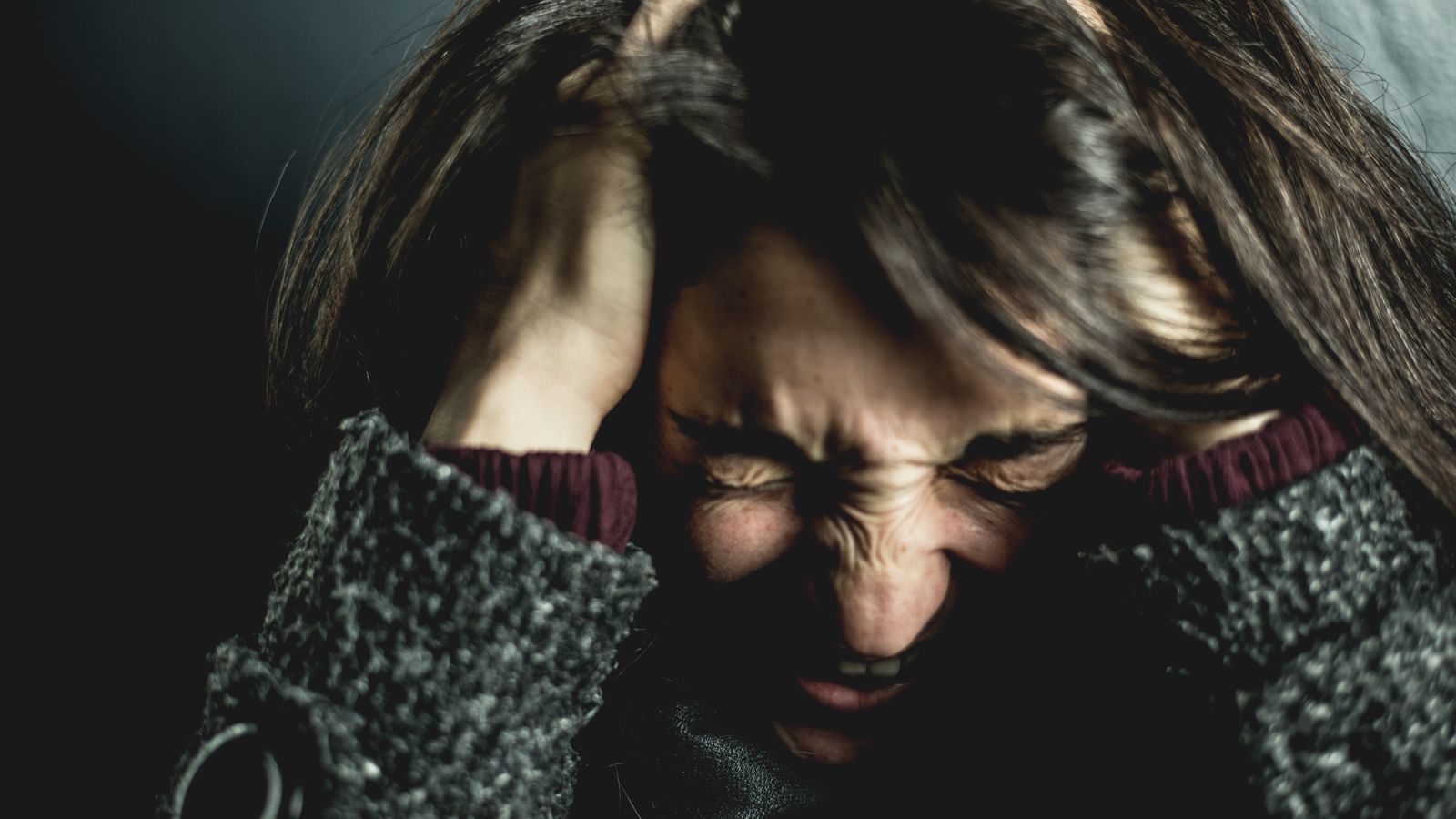
Can Stress Cause Hair Loss? Symptoms, Causes, and Treatment Options
If your hair started falling out after a difficult few months, you are not imagining it. Stress is one of the most common triggers of hair loss, and it can affect anyone, whether it comes from exams, work pressure, a breakup, money worries, or a serious illness.
The short answer is yes, stress can cause hair loss. The reassuring news is that most stress-related hair loss is temporary, and with the right approach, hair usually grows back. This article explains how stress affects your hair, the symptoms to look out for, and the treatment options available.
How Does Stress Affect Your Hair?
Every hair on your scalp follows a growth cycle. At any given time, around 85 to 90 percent of your hairs are in the active growth phase, while the rest are resting before they fall out naturally.
When your body is under significant stress, it releases higher levels of stress hormones such as cortisol. These hormones, along with changes in sleep, appetite, and nutrition, can disrupt the normal hair cycle. A large number of growing hairs may suddenly switch to the resting phase. A few months later, those hairs shed together, which is why stress-related hair fall often seems to appear out of nowhere.
Stress also affects the immune system and behaviour, which can lead to other types of hair loss explained below.
Types of Stress-Related Hair Loss
1. Telogen Effluvium
This is the most common form. It causes diffuse shedding across the whole scalp rather than bald patches. Hair fall typically begins two to three months after a stressful event and can last for up to six months. Hair often looks thinner overall, especially at the temples and crown, but it rarely leads to complete baldness.
2. Alopecia Areata
Alopecia areata is an autoimmune condition in which the immune system attacks the hair follicles. It causes round, smooth, coin-sized bald patches on the scalp, beard, or eyebrows. Genetics play a major role, but emotional stress is a well-known trigger for flare-ups.
3. Trichotillomania
Trichotillomania is a condition in which a person feels a repeated urge to pull out their own hair, often as a way of coping with anxiety, tension, or boredom. It causes irregular patches with broken hairs of different lengths. It is a mental health condition and responds well to behavioural therapy.
Symptoms of Stress-Related Hair Loss
Look out for these signs, particularly if you have been through a stressful period in the last few months:
- A sudden increase in hair fall while washing, oiling, or combing
- Hair coming out in clumps or handfuls
- Overall thinning, with a smaller ponytail or a more visible scalp
- Round, smooth bald patches, which can signal alopecia areata
- Patchy areas with broken hairs, which can signal hair pulling
- Hair fall along with poor sleep, fatigue, low appetite, or anxiety
Common Triggers to Be Aware Of

Stress-related hair loss can be triggered by emotional stress, physical stress, or both. Common triggers include:
- Exams, job loss, or ongoing work pressure
- Relationship problems, divorce, or the loss of a loved one
- A major illness, high fever, surgery, or hospital stay
- Childbirth and the sleepless months that follow
- Crash dieting or sudden weight loss
- Long-term sleep deprivation
Because hair fall usually starts weeks after the trigger, many people only connect the two when a doctor asks about events from two or three months earlier.
Stress Hair Loss vs Genetic Hair Loss
It is important to know whether stress is the main cause, because the treatment and outlook are different.
| Feature | Stress-related hair loss (telogen effluvium) | Genetic hair loss (pattern hair loss) |
|---|---|---|
| Onset | Sudden, two to three months after a trigger | Gradual, over years |
| Pattern | Diffuse shedding across the whole scalp | Receding hairline, thinning crown, or widening parting |
| Hair fall | Noticeable, often in clumps | Often little visible shedding; hair gets finer |
| Recovery | Usually grows back within six to twelve months | Progressive without treatment |
Stress can also speed up pattern hair loss in people who are already genetically prone to it. In these cases, hair that falls out during a stressful phase may not fully return, because the follicles were already shrinking.
Is Stress-Related Hair Loss Permanent?
In most cases, no. In telogen effluvium the follicles stay healthy, so once the stress settles, new hairs start growing within a few months. It can take six to twelve months to get back to your usual density. Alopecia areata often regrows too, although patches can return during future flare-ups. Long-term hair pulling, however, can damage the follicles and cause permanent thinning if it is not treated early.
How Doctors Diagnose Stress-Related Hair Loss
A dermatologist will take a detailed history of recent events, examine your scalp, and may perform a pull test and trichoscopy. Blood tests for iron, vitamin D, vitamin B12, and thyroid function help rule out other causes that often occur alongside stress. If there are bald patches, the doctor will also check for alopecia areata or a fungal infection.
Treatment Options for Stress-Related Hair Loss
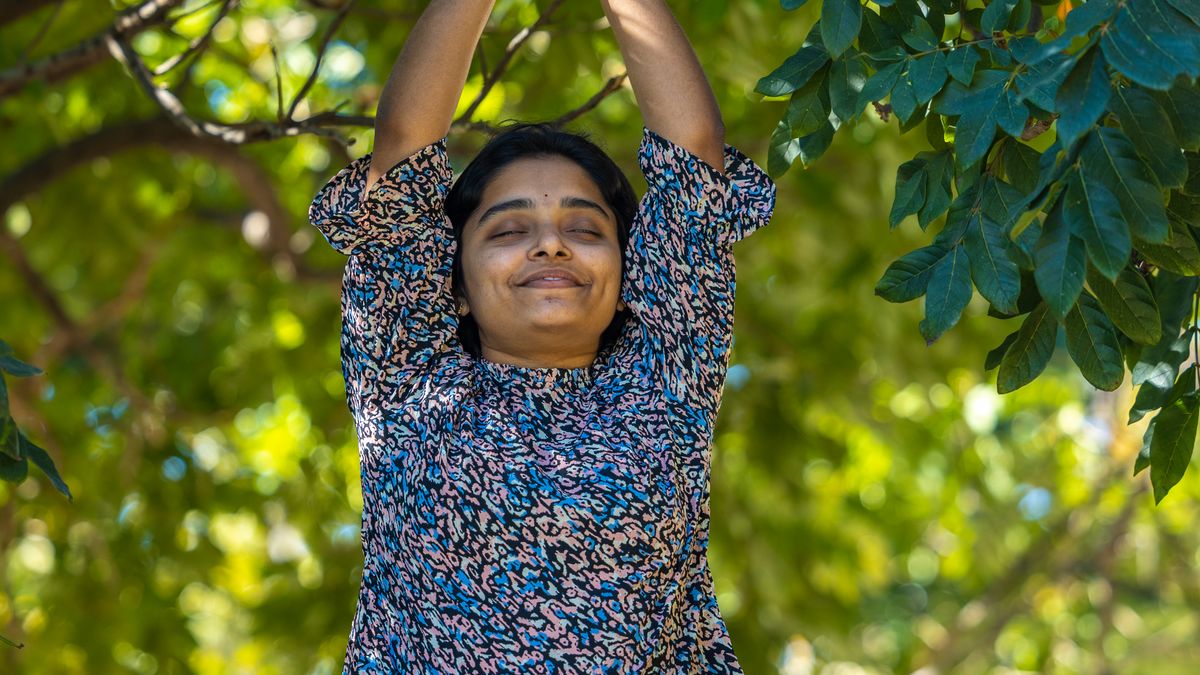
Managing stress. Treating the root cause is essential. Regular exercise, yoga, meditation, breathing exercises, and enough sleep help regulate stress hormones. If you are dealing with anxiety or depression, speaking to a counsellor or psychiatrist can make a real difference to both your well-being and your hair.
Good nutrition. Stress often disturbs appetite and eating habits. A balanced diet with enough protein, iron, zinc, and vitamins supports regrowth. Supplements should be taken only if blood tests show a deficiency.
Topical minoxidil. A doctor may recommend minoxidil to help hairs return to the growth phase faster, particularly if shedding is prolonged or there is underlying pattern hair loss.
Treatment for alopecia areata. Steroid injections into the patches, topical steroids, and other medicines can help regrowth. Newer oral medicines are available for severe cases under specialist care.
Behavioural therapy for hair pulling. Cognitive behavioural therapy, especially habit reversal training, is the most effective approach for trichotillomania.
PRP therapy. Platelet-rich plasma may be suggested to support weak follicles and improve density during recovery.
When hair does not come back. If stress has accelerated genetic hair loss and left the hairline or crown permanently thin, medicines can help preserve what remains, but they cannot regrow hair where follicles have stopped working. For these patients, a hair transplant offers a permanent way to restore coverage. It is usually considered only after the shedding has stopped and any active condition, such as alopecia areata or hair pulling, is under control.
Everyday Tips to Protect Your Hair During Stressful Times
- Keep a regular sleep schedule and aim for seven to eight hours a night
- Do not skip meals, and include protein in every meal
- Move your body for at least 30 minutes on most days
- Be gentle with your hair: avoid tight styles, harsh chemicals, and excessive heat
- Limit caffeine, alcohol, and smoking, which can worsen stress and affect hair health
- Take short breaks during work or study to relax and breathe deeply
When Should You See a Doctor?
Consult a dermatologist if your hair fall lasts longer than three months, if you notice bald patches, or if you find yourself pulling at your hair. Seek help early if stress is also affecting your sleep, appetite, or mood. Hair loss can itself add to stress, creating a cycle that is easier to break with professional support.
Final Thoughts
Stress can cause hair loss, but in most cases the loss is temporary. Understanding which type of hair loss you have is the first step toward the right treatment. By managing stress, eating well, and getting medical help when needed, most people see their hair recover within months. If stress has exposed an underlying genetic hair loss, effective treatments are available to protect and restore your hair.
Worried about hair fall or thinning? Get it checked early.
The dermatology team at Raj Hospitals, Ranchi can examine your scalp, order the right blood tests and plan treatment that matches the cause of your hair loss.
Frequently Asked Questions
How long after stress does hair loss start?
Stress-related hair loss usually begins two to three months after the stressful event. This delay is why many people do not realise stress was the trigger.
Will my hair grow back after stress-related hair loss?
In most cases, yes. Hair lost to telogen effluvium usually grows back within six to twelve months once the stress has settled. Recovery may be slower if there is also underlying pattern hair loss.
Can anxiety cause hair loss?
Yes. Ongoing anxiety can trigger telogen effluvium, worsen alopecia areata, or lead to hair-pulling behaviour. Treating the anxiety often helps the hair recover.
Does stress cause grey hair as well?
Research suggests that intense stress may contribute to premature greying, although genetics remain the main factor in when your hair turns grey.
Can a hair transplant fix hair loss caused by stress?
Temporary stress-related shedding does not need a hair transplant, because the hair usually regrows. A transplant may be considered only if stress has accelerated permanent pattern hair loss and the shedding has stabilised.
What vitamins help with stress-related hair loss?
If tests show a deficiency, iron, vitamin D, vitamin B12, and zinc supplements can support regrowth. A balanced diet with enough protein is just as important. Avoid taking high-dose supplements without medical advice.
Related Hair and Skin Health Guides
- Why Is My Hair Thinning at a Young Age? Causes and Treatment Options
- Why Am I Experiencing Excessive Hair Fall? Common Causes and Treatments
- What Causes a Receding Hairline in Young Men? Early Signs and Treatment
- How to Stop Hair Fall Naturally: Effective Hair Care Tips and Medical Treatments
- Anxiety symptoms in men — common signs of stress
- Psychiatry and mental health care at Raj Hospitals
- Dermatology at Raj Hospitals Ranchi — skin, hair and scalp care
- Dr. Shagun Raj — Consultant Dermatologist, Raj Hospitals Ranchi
Medical disclaimer: This article is general health education and cannot diagnose the cause of your hair loss. Do not start, stop or change any medicine or supplement based on this page; consult a qualified dermatologist for advice specific to you.