


 Cardiology
  Critical Care
  Emergency
  Gastroenterology
  Minimal Access Surgery
  Nephrology
  Neuro & Spine Surgery
  Neurology
  Oncology (Cancer Care)
  Orthopaedics & Joint Replacement
  Pulmonology
  Urology
  Aesthetic & Reconstructive Surgery
  Dental
  Dermatology
  ENT
ENT  Eye Care
  Haematology
  Internal Medicine
  Nutrition & Dietetics
  Obstetrics & Gynaecology
  Pediatrics & Neonatology
  Physiotherapy & Rehabilitation
  Psychiatry & Mental Health
  Radiology
  FNAC, Biopsy, Blood & Laboratory Investigations
The First Ten Minutes in Our Emergency Room, Explained
Almost nobody plans their first visit to an emergency department. You arrive frightened, often at night, holding a phone and someone's slippers, and within seconds a stranger in scrubs is asking questions while wheeling your father away from you. Then you are asked to wait, and you watch someone who walked in after you get taken inside before you. That moment is where most of the anger and fear in an emergency room comes from, and it is almost entirely avoidable with one piece of information: an emergency department is not a queue. This is what actually happens in the first ten minutes, in order.
Why Triage Means "Sickest First", Not "First Come First Served"
The word triage comes from the French trier, to sort. It was developed on battlefields where the number of injured always exceeded the number of hands, and the only defensible way to allocate those hands was by who would die soonest without them. Every modern emergency department in the world, including every good one in India, runs on that logic.
In practice, within a minute or two of arrival, a trained emergency nurse performs a rapid structured assessment and assigns a priority category. Most Indian hospitals use a colour-coded system:
Red — immediate
Life is in immediate danger. Cardiac arrest, major trauma, severe breathing difficulty, uncontrolled bleeding, unresponsive patient, stroke within the treatment window. Seen at once, no exceptions, regardless of who is waiting.
Yellow — urgent
Serious but currently stable. Moderate injuries, abdominal pain with vomiting, high fever with confusion, fractures. Seen quickly, but after every red patient currently in the department.
Green — stable
Needs care but can safely wait. Minor cuts, sprains, mild fever, most dressings. This is the category that waits longest and is also the category with the best prognosis.
The category is not fixed. A patient triaged yellow whose blood pressure drops in the waiting area is re-triaged to red immediately. This is why nurses keep re-checking vitals on people who appear to be simply waiting, and why you should tell staff at once if the patient's condition changes rather than assuming your turn will come.
Who Does What in the First Ten Minutes
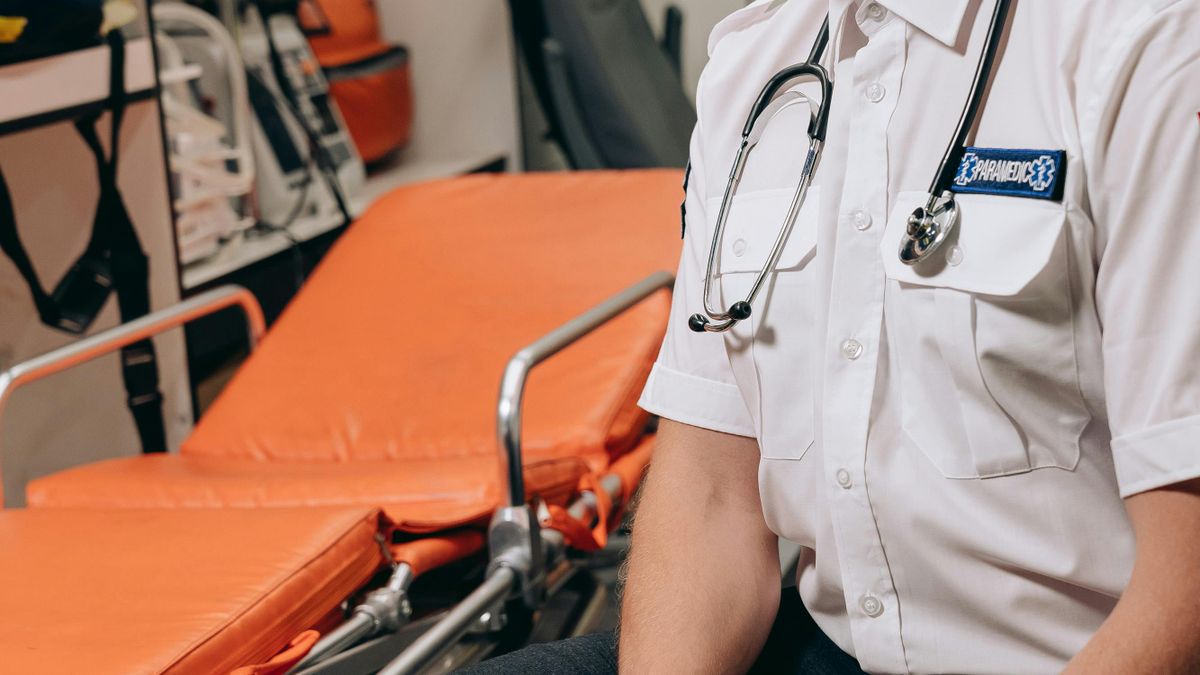
It looks chaotic from the outside. It is not. Several people are running parallel tasks on a deliberate sequence.
- Minute 0 to 1 — the triage nurse. Airway, breathing, circulation and level of consciousness are checked, along with pulse, blood pressure, oxygen saturation, temperature and, for anyone unwell, a finger-prick blood sugar. This takes under two minutes and decides everything that follows.
- Minute 1 to 3 — the emergency physician's primary survey. A focused examination looking for the things that kill fastest, in the order they kill. Immediate interventions start here: oxygen, intravenous access, positioning, pressure on a bleeding point.
- Minute 2 to 5 — first-line investigations. An ECG for any chest, jaw, arm or upper abdominal symptom, and for any collapse. Blood samples drawn once, sent for multiple tests together. Our in-house laboratory and round-the-clock radiology unit mean the first results and scans come back within the same visit rather than the next morning.
- Minute 3 to 8 — the specialist is called in parallel. This is the part families rarely see. The on-call cardiologist, neurologist, neurosurgeon or orthopaedic surgeon is summoned while stabilisation is still going on, not after it finishes.
- Minute 5 to 10 — the disposition decision. Discharge with treatment, observe in the emergency department, admit to a ward, or move directly to intensive care or the operating theatre. A senior clinician makes this call, and it is revisited as results arrive.
- Running throughout — registration and billing. This happens alongside clinical care, never before it. Our TPA and corporate insurance desk processes cashless approvals while the patient is already being treated.
The Helipad and Ambulance Fleet: What They Change for Patients Outside Ranchi
Jharkhand's geography is the real clinical problem in trauma care. A road accident on the highway near Ramgarh, a fall at a mine site, or a stroke in a village two hours from Ranchi all share one feature: the clock starts long before anyone reaches a hospital that can actually treat the problem.
In trauma medicine this is described as the golden hour — the window immediately after serious injury in which controlling bleeding, securing the airway and restoring circulation have the largest effect on whether the patient survives. It is a principle rather than a stopwatch, but the underlying arithmetic is unforgiving. Time spent travelling to a facility that then has to transfer the patient onward is time that counts twice.
Two things change that arithmetic at Raj Hospitals. The first is a fleet of equipped ambulances, which matters more than most families realise. An ambulance is not a taxi with a siren. Oxygen, monitoring, intravenous access and initial treatment begin inside the vehicle, and the receiving team is briefed by phone before arrival, so the cardiology or trauma team can be standing ready rather than being summoned once the patient is on the trolley. The second is a helipad, which removes road time entirely for the small number of cases where road time is the difference between a survivable and an unsurvivable injury.
The practical takeaway for families outside the city: for a serious event, the nearest hospital is not automatically the right hospital. What matters is the nearest hospital with a catheterisation lab, a CT scanner, an operating theatre and an intensive care unit staffed at that hour. This is the same logic behind how we manage stroke treatment in Ranchi, where the treatment window is measured in hours and a wasted transfer can close it permanently.
What Family Members Should Do (and Not Do) While Waiting
Families are not bystanders in an emergency. What you do in the waiting area genuinely changes the speed and quality of care.
Do this
- Nominate one spokesperson. One person gives history and receives updates. Six people asking six staff members fragments information and slows everyone down.
- Hand over the medicine list immediately — names and doses, not "a white tablet for BP". Blood thinners and diabetes medicines change treatment decisions within minutes.
- State allergies and existing conditions unprompted.
- Give the exact time symptoms started. For stroke and heart attack this single fact determines which treatments are still permitted.
- Bring old reports — previous ECG, angiogram, discharge summary, recent scans. A comparison ECG is worth a great deal.
- Complete registration while treatment runs.
- Report any change in condition at once rather than waiting your turn.
Avoid this
- Do not crowd the treatment bay. Trolleys, oxygen cylinders and code teams need a clear path, and one attendant is usually all that is permitted for good reason.
- Do not give food or water to a patient who may need emergency surgery, sedation or has swallowing difficulty after a stroke.
- Do not stop staff mid-task for updates. Ask the nurse assigned to your patient, who will know.
- Do not hide information — alcohol intake, recreational drugs, a suicide attempt, an unreported fall. It is confidential and it changes treatment.
- Do not argue about queue order. The person taken ahead of you is, by definition, sicker at that moment.
- Do not leave the department without telling staff where you are, and keep phones charged and free.
When a Case Is Escalated Straight to the ICU
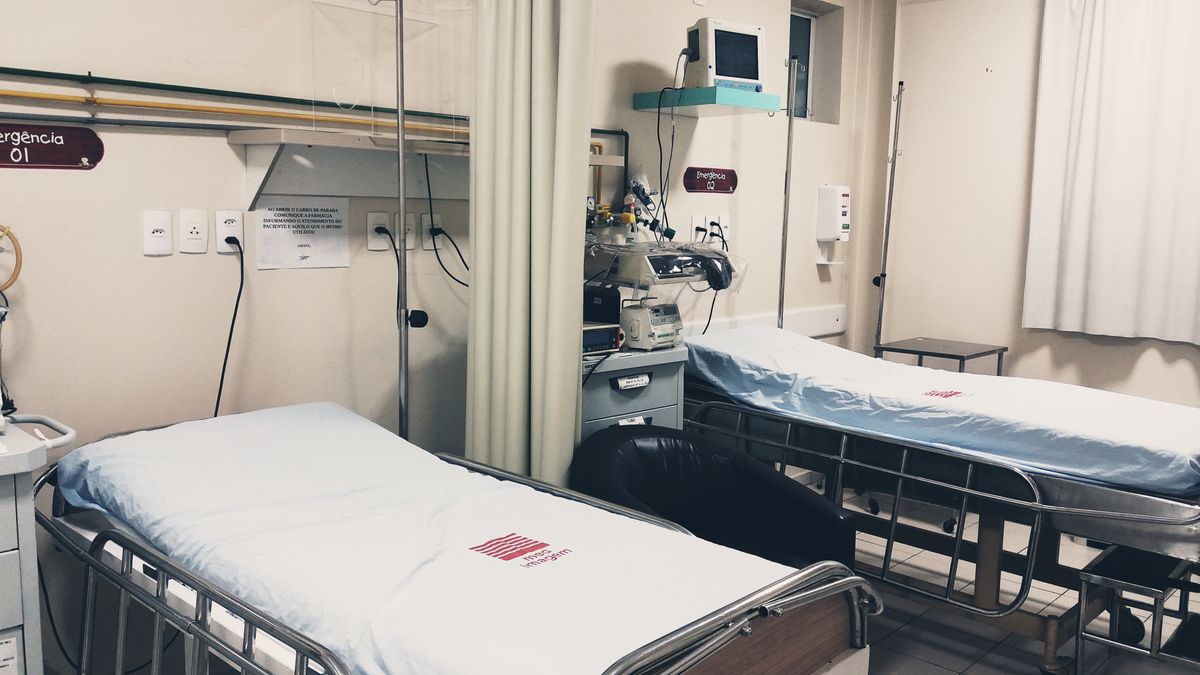
Sometimes the emergency team does not complete the standard sequence at all. The patient is stabilised and moved in the same breath to our intensive care unit in Ranchi. That decision is triggered by a fairly specific list:
- The patient cannot maintain their own breathing and needs ventilation or high-flow oxygen support.
- Blood pressure is only being held up by medication, which requires continuous invasive monitoring.
- The heart rhythm is unstable or there is an evolving heart attack requiring urgent catheterisation. Understanding the difference between a heart attack and a cardiac arrest helps families make sense of what they are being told at this point.
- Consciousness is significantly reduced, whether from head injury, stroke, poisoning or metabolic collapse. Our note on recognising brain stroke symptoms covers the signs that should never be watched at home.
- Severe infection with organ dysfunction, where every hour of delayed antibiotics measurably worsens outcome. Our guide to how bloodstream infections develop explains why this moves so fast.
- Major trauma with internal bleeding, where the destination may be the operating theatre before intensive care.
If your relative is escalated this way, you will be given a consent conversation that feels rushed. It is not carelessness. Ask three questions and you will have what you need: what is the working diagnosis, what is being done in the next hour, and who is the consultant in charge. Write down the answers, because in that state nobody remembers them afterwards.
Save this number before you need it
Raj Hospitals runs a 24x7 emergency and trauma service at Bariatu Road, Ranchi, with an equipped ambulance fleet, helipad access, in-house imaging and laboratory, and intensive care. Put the number in every family phone tonight.
Frequently Asked Questions About Emergency Room Care
Why did someone who arrived after us get seen first?
Because an emergency department is a triage system, not a queue. Patients are seen in order of how time-critical their condition is. Someone with chest pain, severe breathlessness, major bleeding or altered consciousness will always go ahead of a stable patient who has waited longer. Being asked to wait usually means you have been assessed as stable, which is genuinely good news.
What is emergency triage and how does it work?
Triage is a rapid structured assessment done within a minute or two of arrival by a trained emergency nurse. It checks airway, breathing, circulation and consciousness along with pulse, blood pressure, oxygen saturation and temperature. The patient is assigned a priority category, commonly red for immediate, yellow for urgent and green for stable. That category decides treatment order and can be revised if the patient changes.
Who examines the patient first?
The triage nurse does the first rapid assessment and vital signs. The emergency physician then performs the primary survey, orders first-line tests such as ECG and bloods, and starts stabilising treatment. The relevant specialist is called in parallel rather than afterwards, so specialist input arrives while stabilisation is already under way.
What should family members do while waiting?
Nominate one spokesperson. Hand over the medicine list, allergies, old reports and the exact time symptoms started. Complete registration and insurance paperwork while treatment continues, since it runs in parallel. Keep the treatment area clear, keep phones free, and ask the assigned nurse for updates rather than stopping staff mid-task.
Does paperwork or payment delay emergency treatment?
No. Assessment and stabilisation begin before and during registration, not after it. Insurance and TPA approvals are handled in parallel by the billing desk while the clinical team works. Never delay bringing a critically ill patient in because of paperwork or money.
When is a patient moved straight to the ICU?
When the patient needs breathing support, needs medication to maintain blood pressure, has an unstable heart rhythm, has significantly reduced consciousness, or has a severe infection with organ dysfunction. In these cases the team stabilises and moves rather than completing all tests in the emergency department first.
Should I drive the patient myself or call an ambulance?
Call an ambulance for chest pain, stroke symptoms, breathlessness, seizures, major trauma, heavy bleeding or an unconscious patient. Oxygen, monitoring and treatment start inside the ambulance, the hospital is alerted before arrival, and a patient who deteriorates in a private car has nobody able to help. Driving yourself is reasonable only for clearly minor problems.
What is the golden hour in trauma care?
It describes the period immediately after serious injury when controlling bleeding, securing the airway and restoring circulation have the greatest effect on survival. It is a principle rather than a strict countdown, and it explains why trauma patients from outside Ranchi are best moved directly to a hospital with surgical and intensive care capability rather than to the nearest facility first.
How many attendants can stay with the patient?
Usually one inside the treatment area, with the rest waiting outside. This is not obstruction. Emergency bays are narrow, resuscitation needs unobstructed access, and other patients have a right to privacy. The single attendant should be the person who knows the medical history best, not simply the most senior family member present.
Related Guides from Raj Hospitals
- Silent heart attack symptoms families miss — when to head for the emergency room
- Heart attack symptoms in Hindi — दिल के दौरे के चेतावनी संकेत
- Paralysis and stroke treatment in Ranchi — what timely care changes
- Seizures and fits — what to do before you reach hospital
- Sudden breathing difficulty — immediate steps and warning signs
- Critical Care and ICU services at Raj Hospitals Ranchi
- Dr. Shyam Prasad — Emergency Medicine, Raj Hospitals Ranchi
- About Raj Hospitals — facilities, accreditation and emergency infrastructure
Last updated: September 2, 2026 · Reviewed by our emergency and critical care consultants · Contact & directions
Note: This article describes general emergency care principles and our standard process. Individual cases vary, and the clinical team's judgement on the day always takes precedence over any general description. In an emergency, call for help first and read later.