


 Cardiology
  Critical Care
  Emergency
  Gastroenterology
  Minimal Access Surgery
  Nephrology
  Neuro & Spine Surgery
  Neurology
  Oncology (Cancer Care)
  Orthopaedics & Joint Replacement
  Pulmonology
  Urology
  Aesthetic & Reconstructive Surgery
  Dental
  Dermatology
  ENT
ENT  Eye Care
  Haematology
  Internal Medicine
  Nutrition & Dietetics
  Obstetrics & Gynaecology
  Pediatrics & Neonatology
  Physiotherapy & Rehabilitation
  Psychiatry & Mental Health
  Radiology
  FNAC, Biopsy, Blood & Laboratory Investigations
Fever Gone, Still Exhausted: What Dengue Recovery Actually Looks Like
Every year, once the monsoon starts pulling back from Jharkhand, our outpatient department fills with a very particular kind of worried family. The dengue fever broke four days ago. The reports are improving. And yet the patient cannot climb a flight of stairs without sitting down. Parents ask the same question in slightly different words: if the fever is gone, why is he still like this? The short answer is that dengue recovery time is much longer than dengue fever time, and the gap between the two is where most of the unnecessary panic lives.
Why Fatigue Outlasts the Fever by One to Two Weeks
Dengue is not a disease where the virus does most of the damage. Your immune system does. When the dengue virus enters the bloodstream, the body floods itself with signalling chemicals called cytokines, chiefly interleukin-6, interleukin-10 and tumour necrosis factor alpha. These are what actually produce the high fever, the crushing headache behind the eyes, and the deep muscle and bone pain that earned dengue its old name, breakbone fever.
Here is the part patients are rarely told: the virus clears from the blood before the cytokines do. By the time your temperature chart flattens, the virus itself is largely gone, but the inflammatory chemicals continue circulating for days. They act directly on skeletal muscle, on the mitochondria that generate energy inside your cells, and on the brain regions that regulate alertness and motivation. That is why the tiredness feels different from ordinary tiredness. It is not laziness or weakness of will. It is measurable, biological, and it has a predictable end point.
Layer on top of that what actually happened during the illness. Most dengue patients eat almost nothing for four or five days. They lose fluid through fever and sweating. Muscle protein is broken down for energy. Sleep is fragmented by fever spikes. Even a perfectly healthy 25-year-old would feel wrecked after a week of that without any virus involved. Combine the two and a recovery window of ten to fourteen days stops being surprising. Doctors call this pattern post-dengue fatigue, and it is one of the most consistently reported after-effects of the illness worldwide.
The Honest Dengue Recovery Timeline
Dengue moves through three recognised phases. Knowing which one you are in tells you far more than any single lab value.
Days 1–3: Febrile phase
High fever, severe headache, pain behind the eyes, body and joint ache, sometimes a flushed rash. This phase feels the worst but is usually the least dangerous. Paracetamol and fluids are the mainstay.
Days 4–6: Critical phase
The fever starts falling and families relax. This is exactly the wrong moment to relax. Plasma can leak from small blood vessels for 24 to 48 hours here, and platelets hit their lowest point. Almost every serious dengue complication happens in this window.
Days 7–10: Recovery phase
Leaked fluid is reabsorbed, appetite flickers back, platelets climb. A distinctive itchy red rash on the palms and soles, sometimes called the rash of convalescence, often appears here and is a good sign.
Weeks 2–6: Fatigue tail
Blood counts are normal but stamina is not. Expect reduced exercise tolerance, low mood, poor concentration and, from around week 6, some temporary hair shedding. All of this resolves.
What a Normal Platelet Recovery Curve Looks Like
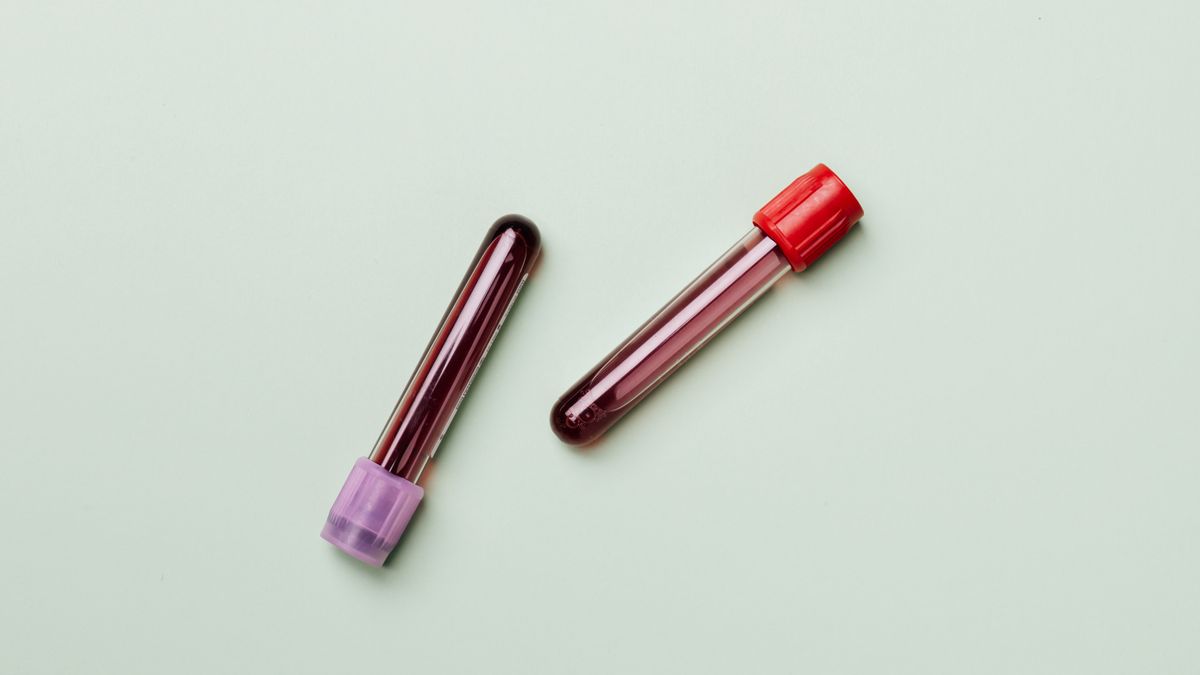
No number in Indian medicine causes more household anxiety than the platelet count. Families track it like a cricket score, and a drop from 90,000 to 70,000 can trigger a midnight hospital run. So let us be precise about what actually happens.
Platelets begin falling from about day 3, reach their lowest point somewhere between day 4 and day 7, and then start climbing. The rise is usually steady and takes three to five days to reach the normal range. In most uncomplicated cases the count is back above 150,000 within seven to ten days of the fever settling. Two things doctors watch that patients usually do not:
- The direction, not the value. A count of 60,000 that rose from 45,000 yesterday is a better situation than a count of 90,000 that fell from 140,000. Trend beats snapshot every time.
- The haematocrit alongside it. A rising haematocrit with a falling platelet count is the classic signature of plasma leakage, and it is the finding that decides whether someone needs admission. This is why a full dengue profile with a complete blood count including haemoglobin and haematocrit is more useful than a standalone platelet test.
- Whether there is any bleeding. Bleeding, not the number, drives the decision to transfuse. A patient with a count of 20,000 and no bleeding is often managed with observation alone, while a patient with active bleeding may need intervention at a higher count.
A related caution: papaya leaf extract, kiwi, goat milk and a long list of home remedies circulate every dengue season in Jharkhand. None of them is a substitute for fluid monitoring, and none of them changes the natural platelet curve in a way that has been reliably demonstrated. They are usually harmless, but a family that trusts them instead of returning for a review is taking a real risk. Our physicians would far rather you take both, than take one and skip the hospital.
Genuine Red Flags: When to Come Back Immediately
These are the internationally recognised dengue warning signs. Any one of them justifies an immediate visit, at any hour, without waiting for morning.
- Severe or persistent abdominal pain, particularly in the upper right side or around the stomach
- Repeated vomiting — three or more episodes in an hour, or an inability to keep fluids down
- Bleeding from gums or nose, blood in vomit, black tarry stools, or unusually heavy menstrual bleeding
- Breathlessness or difficulty lying flat, which can indicate fluid collecting around the lungs
- Cold, clammy hands and feet with a fast weak pulse — an early sign of circulatory shock
- Drowsiness, confusion, or unusual irritability and restlessness, especially in children and elderly patients
- Passing very little urine — less than about four times in 24 hours in an adult
- Fever that returns after having settled for a day or more
Two groups deserve a lower threshold for coming in. Children may not describe abdominal pain clearly and often present with irritability, refusal to feed and lethargy instead, which is why our paediatrics and neonatology team assesses paediatric dengue differently from adult dengue. And patients with diabetes, kidney disease, heart failure or those on blood thinners have far less physiological margin, so they are usually monitored more closely and admitted earlier. If you have diabetes along with dengue, sugar control tends to swing wildly during the illness and needs supervision.
When to Come Back to Raj Hospitals for a Review

Even when everything is going well, we ask dengue patients to come back at least once. A short review appointment is not a formality; it is where slow-burning problems get caught.
- Day 3 to 5 of illness, daily. During the critical phase, a daily platelet count and haematocrit with a quick clinical check is standard. Most patients do this as a walk-in and go home.
- Two to three days after the fever settles. One repeat blood count to confirm platelets are climbing and haematocrit is stable.
- At two weeks, if fatigue is not improving at all. This is when we look for the things dengue can unmask or leave behind: raised liver enzymes such as SGPT and SGOT, which are common in dengue and usually settle on their own; anaemia; low thyroid function; or a second infection layered on top.
- Any time the picture does not fit. Dengue, chikungunya, typhoid, malaria, scrub typhus and chest infections all circulate together in a Jharkhand monsoon and can look alike in the first three days. A fever that behaves unusually deserves a fresh look rather than an assumption.
Patients who deteriorate are managed by our critical care unit in Ranchi, where fluid resuscitation in severe dengue is a precise, hour-by-hour exercise rather than simply running drips fast. Getting that balance wrong in either direction is what turns a survivable illness into a dangerous one, and it is the main reason severe dengue belongs in hospital rather than at home.
Hydration, Rest and Diet Through the Recovery Window
There is no antiviral for dengue. Everything that helps is supportive, which makes the basics unusually important.
Fluids: aim for 2.5 to 3 litres a day
Spread it out rather than drinking large volumes at once. Oral rehydration solution, coconut water, buttermilk, thin dal water, rice kanji and clear soups all count and add electrolytes plain water does not.
Use urine as the gauge: pale and passed at least four to six times a day means you are keeping up. Dark, scanty urine means you are behind. Our guide to recognising dehydration early covers the signs in more detail.
Painkillers: paracetamol only
Avoid ibuprofen, diclofenac, aspirin, nimesulide and combination pain powders. These non-steroidal drugs increase bleeding risk and can irritate the stomach lining at precisely the moment platelets are lowest. Paracetamol at the dose your doctor advised is the safe choice.
Food: small, frequent, protein-forward
Appetite returns slowly, so six small meals beat three large ones. Prioritise dal, eggs, curd, paneer, khichdi and soft fruit. Protein and iron intake matter because rebuilding lost muscle is what actually ends the fatigue. Our dietetics team can build a recovery plan for patients who are struggling to eat.
Activity: return in steps, not in one jump
Add roughly 20 to 30 percent more activity every two days. Walking before jogging, desk work before field work, and no heavy gym training or contact sport for at least two weeks after the platelet count normalises. Pushing hard in week one reliably sets recovery back.
Do Not Let the Second Infection Catch You Off Guard
There are four dengue serotypes circulating in India. Recovering from one gives you lifelong immunity against that serotype and none at all against the other three. Worse, a second infection with a different serotype carries a measurably higher risk of severe dengue because of how antibodies from the first infection interact with the new virus. This is not a reason to panic, but it is a strong reason to act earlier next time rather than later.
Practically, that means household mosquito control matters even after you have had dengue. The Aedes mosquito breeds in clean standing water and bites during daylight hours, which is why bed nets alone are not enough. Empty and scrub coolers weekly, cover overhead tanks, clear water from flower pot trays, discarded tyres and construction sites, and use repellent during the day. Our broader monsoon health precautions guide and our note on building immunity during the rainy season cover the household side of prevention.
One more thing worth knowing: a small number of patients develop a secondary bacterial infection during or shortly after dengue, which can look like a relapse. If a fever returns with rigors, focal pain or a rapidly worsening general condition, that pattern is closer to a bloodstream infection than to dengue itself, and it needs assessment rather than waiting.
Still exhausted two weeks after dengue?
Book a post-dengue review at Raj Hospitals, Bariatu Road, Ranchi. Same-day blood counts, liver and kidney profiles, and an internal medicine consultation to rule out what fatigue can be hiding. Emergency care is available round the clock.
Frequently Asked Questions About Dengue Recovery
How long does dengue recovery take after the fever stops?
The fever usually settles in 5 to 7 days, but full recovery takes longer. Most adults feel weak, low on appetite and easily tired for another 1 to 2 weeks after the temperature normalises. A smaller group carries mild fatigue and body ache for 4 to 6 weeks. This is expected and does not mean the infection is still active.
Why do I still feel exhausted after my dengue fever has gone?
Dengue triggers a strong immune response that releases inflammatory cytokines. These chemicals keep circulating for days after the virus itself is cleared, and they act on muscle and brain tissue to produce fatigue, body ache and poor concentration. Add several days of reduced food intake, dehydration and broken sleep, and the tiredness is fully explainable. It is called post-dengue fatigue and it resolves on its own.
When does the platelet count go back to normal after dengue?
Platelets typically bottom out around day 4 to 7 of illness, often at the same time the fever starts breaking. The count then climbs back over the next 3 to 5 days and is usually normal within 7 to 10 days of the fever settling. A rising platelet count is one of the most reassuring signs that recovery is on track, which is why we track the trend rather than reacting to one reading.
What are the danger signs after dengue fever that need immediate hospital care?
Return to hospital immediately for severe or persistent abdominal pain, repeated vomiting, bleeding from gums or nose, blood in vomit or stool, black tarry stools, breathlessness, cold and clammy hands and feet, drowsiness or irritability, reduced urine output, or a fever that returns after having settled. These warning signs usually appear as the fever breaks, not at its peak. Our emergency department in Ranchi runs 24x7 for exactly this.
Do I need a platelet transfusion if my count is low after dengue?
In most cases, no. A low platelet count on its own is not a reason to transfuse. Doctors look at whether there is active bleeding and at how the patient is clinically doing, not just at the number. Transfusion is generally reserved for very low counts with significant bleeding, and unnecessary transfusion carries its own risks. This is a decision for your treating physician, not for a WhatsApp forward.
Is hair fall after dengue normal?
Yes. Noticeable hair shedding starting about 6 to 12 weeks after any severe febrile illness is a well-recognised pattern called telogen effluvium. The high fever pushes many follicles into a resting phase at the same time and they shed together. It is temporary and density recovers over the following months. If shedding is severe or continues past six months, a dermatology review for hair fall is worthwhile.
What should I eat and drink during dengue recovery?
Aim for 2.5 to 3 litres of fluid a day for an average adult, spread through the day. Oral rehydration solution, coconut water, buttermilk, thin dal and soups all count. Eat small frequent meals with easily digestible protein such as dal, eggs, curd and paneer, since protein is what rebuilds lost strength. Avoid alcohol until liver enzymes normalise, and avoid painkillers other than paracetamol unless specifically advised.
Can dengue come back a second time?
Yes. There are four dengue serotypes, and recovering from one gives lifelong protection against that serotype only. A second infection with a different serotype carries a higher risk of severe dengue, so anyone who has had dengue before should seek review earlier rather than later during a new fever episode.
How soon can I return to work or the gym after dengue?
Most people manage desk work about a week after the fever settles, often at reduced hours initially. Physically demanding work and gym training should wait until the platelet count has normalised and then be reintroduced gradually over one to two weeks. Contact sports carry a bleeding risk while platelets are still recovering and should wait the longest.
Related Health Guides from Raj Hospitals
- Viral fever symptoms and treatment — how to tell an ordinary viral from dengue
- Chikungunya symptoms in Hindi — the joint pain that outlasts the fever
- Monsoon health tips for Jharkhand families — water, mosquitoes and food safety
- KFT test explained — what a kidney function test shows after a severe fever
- How to build immunity naturally during the rainy season
- Internal Medicine at Raj Hospitals Ranchi — fever, infection and general medicine care
- Laboratory investigations in Ranchi — same-day dengue profile and blood counts
- Raj Hospitals — multispeciality hospital in Ranchi, Jharkhand
Last updated: September 2, 2026 · Medically reviewed by our consultant physicians · About Raj Hospitals
Medical disclaimer: This article is for general education and does not replace an individual consultation. Dengue management depends on your age, day of illness, existing conditions and clinical findings. If you have any warning sign described above, seek care immediately rather than acting on this page.