


 Cardiology
  Critical Care
  Emergency
  Gastroenterology
  Minimal Access Surgery
  Nephrology
  Neuro & Spine Surgery
  Neurology
  Oncology (Cancer Care)
  Orthopaedics & Joint Replacement
  Pulmonology
  Urology
  Aesthetic & Reconstructive Surgery
  Dental
  Dermatology
  ENT
ENT  Eye Care
  Haematology
  Internal Medicine
  Nutrition & Dietetics
  Obstetrics & Gynaecology
  Pediatrics & Neonatology
  Physiotherapy & Rehabilitation
  Psychiatry & Mental Health
  Radiology
  FNAC, Biopsy, Blood & Laboratory Investigations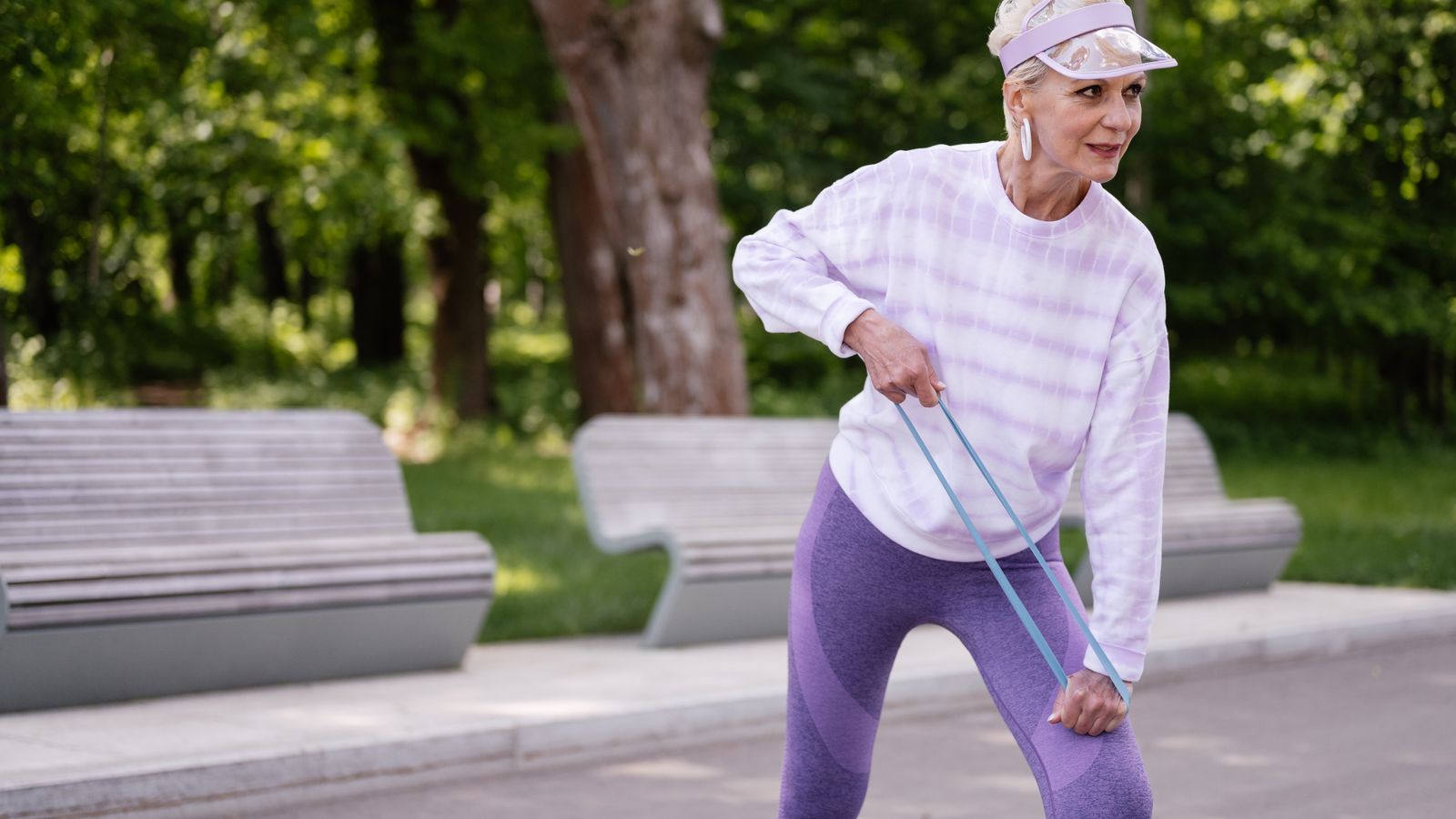
World Osteoporosis Day: The Bone-Density Test Nobody Schedules After 50
World Osteoporosis Day falls on 20 October, and it marks a condition with an unusual problem: there is nothing to notice. No pain, no swelling, no symptom that would send anyone to a doctor. Bone quietly thins over fifteen or twenty years, and the first sign is a wrist that snaps after catching a doorframe, or a hip that breaks after a slip in a wet bathroom. By then the damage is decades old. The test that would have found it is a fifteen-minute scan that costs less than a small appliance, and almost nobody books it.
Why Osteoporosis Has No Symptoms Until a Fracture
Bone is not inert scaffolding. It is living tissue in constant turnover, with cells called osteoclasts removing old bone and osteoblasts laying down new bone. Through youth, building outpaces removal. Peak bone mass is reached around the late twenties. After that the two roughly balance for a couple of decades, and then removal starts to win.
In women, this tips sharply at menopause. Oestrogen restrains the bone-removing cells, and when it falls, they work unopposed. The years immediately around and after menopause see the steepest bone loss of a woman's life, and it happens with no sensation whatsoever, because bone tissue itself has no pain fibres inside it. Pain comes from the periosteum covering the bone, from muscle and from nerves, none of which are affected by thinning within. A bone can lose a third of its density and feel exactly like it did at thirty.
What you might notice, if you are paying close attention over years, are indirect clues rather than symptoms:
- Loss of height. More than two or three centimetres below your peak adult height suggests spinal compression fractures. Worth measuring at each check-up, and almost never measured.
- A stooping upper back. A gradually rounded posture is often assumed to be poor habit but can reflect wedged vertebrae.
- New persistent back pain in an older adult, particularly starting suddenly, which may be a spinal compression fracture. Our guide on when back pain needs a scan covers this overlap.
- A fracture from a trivial fall. The clearest signal of all. A healthy adult bone should not break from a fall from standing height. When it does, that is osteoporosis until proven otherwise, and it should trigger a scan rather than just a plaster cast.
That last point deserves emphasis. A wrist fracture in a 58-year-old woman who slipped on a step is frequently treated as an orthopaedic accident and nothing more. It is actually a warning that the next fracture may be a hip, and hip fractures in older adults carry serious consequences for independence and for life expectancy.
Who Should Actually Get Screened, and at What Age
The default guidance is women from 65 and men from 70 at average risk. But almost nobody in the group that most needs testing is at average risk, and applying the default blindly means missing the people the test exists for. Ask for a scan considerably earlier if any of the following apply:
Strong reasons to test early
- Any fracture after a fall from standing height, at any age past 50
- Menopause before 45, or surgical removal of the ovaries
- Steroid tablets for three months or longer, at any age
- A parent who fractured a hip
- Height loss of more than 3 cm, or a new stooped posture
Other risk factors worth flagging
- Low body weight or a small frame
- Smoking, or more than moderate alcohol intake
- Rheumatoid arthritis and other inflammatory conditions
- Overactive thyroid or parathyroid disease
- Chronic kidney or liver disease, coeliac disease, or bariatric surgery
- Long-term untreated vitamin D deficiency
- Type 1 diabetes, and some long-term medications
Two groups are consistently under-tested in India. The first is post-menopausal women in their fifties, who are told they are too young for a bone scan while sitting in the very decade when bone loss is fastest. The second is men. Osteoporosis is thought of as a women's disease, so men are rarely screened and are frequently diagnosed only after a fracture, at which point outcomes are worse than in women.
A note specific to this region: vitamin D deficiency is very common across India, including in sunny states, because of indoor work, covering clothing, air pollution and naturally darker skin, which needs longer sun exposure to make the same amount. Vitamin D deficiency undermines calcium absorption regardless of how much calcium is eaten, which makes it a foundational issue rather than an optional supplement.
What a DEXA Scan Involves: Quick, Painless, Low Radiation
Much of the reluctance to book this test comes from imagining something it is not. People picture a tunnel, an injection, or a long uncomfortable procedure. None of that applies.
DEXA stands for dual-energy X-ray absorptiometry. Two X-ray beams of different energies pass through the body, and because bone and soft tissue absorb them differently, the machine can calculate bone mineral density precisely.
- You stay fully clothed, minus metal items such as belts, zips and jewellery.
- You lie on an open padded table. No tunnel, no enclosed space, nothing touching you. A scanning arm passes above the body.
- Two sites are measured, usually the lower spine and the hip, since these are where fractures matter most and where density is most predictive.
- It takes about ten to fifteen minutes and is completely painless.
- Radiation is very low, considerably less than a standard chest X-ray, and a small fraction of what a CT scan involves.
- No preparation is needed beyond avoiding calcium supplements for about 24 hours beforehand, since they can interfere with the reading.
- Results the same day in most cases, discussed alongside your other risk factors.
Reading the report. The key figure is the T-score, which compares your density with a healthy young adult:
Above −1.0
Normal bone density. Continue calcium, vitamin D and weight-bearing exercise, and repeat testing at an interval your doctor advises.
−1.0 to −2.5
Osteopenia: lower than ideal, not yet osteoporosis. This is the most useful result to receive, because there is time to act before a fracture happens.
−2.5 or below
Osteoporosis. Treatment is usually indicated alongside lifestyle measures, and the goal shifts to actively reducing fracture risk.
An important caveat: the T-score is not the whole answer. Fracture risk also depends on age, previous fractures, steroid use, smoking and family history, and clinicians combine the number with a formal risk assessment. Some patients with osteopenia have a higher fracture risk than some with osteoporosis, which is why treatment decisions are never made from a single figure. Blood tests usually run alongside to check calcium, vitamin D, kidney function and thyroid status through our laboratory.
Prevention: What Actually Helps, and What Does Not
Calcium, mostly from food
Most adults need roughly 1000 to 1200 mg daily. Milk, curd, paneer, ragi, sesame seeds, almonds, green leafy vegetables, and small fish eaten with bones. Food sources are better absorbed and carry fewer downsides than large supplement doses, which should be taken only on advice.
Vitamin D, guided by a blood level
Without it, dietary calcium is poorly absorbed no matter how much you eat. Deficiency is widespread in India. Requirements vary enough between people that dosing should follow a measured level rather than a guess or a neighbour's prescription.
Weight-bearing and resistance exercise
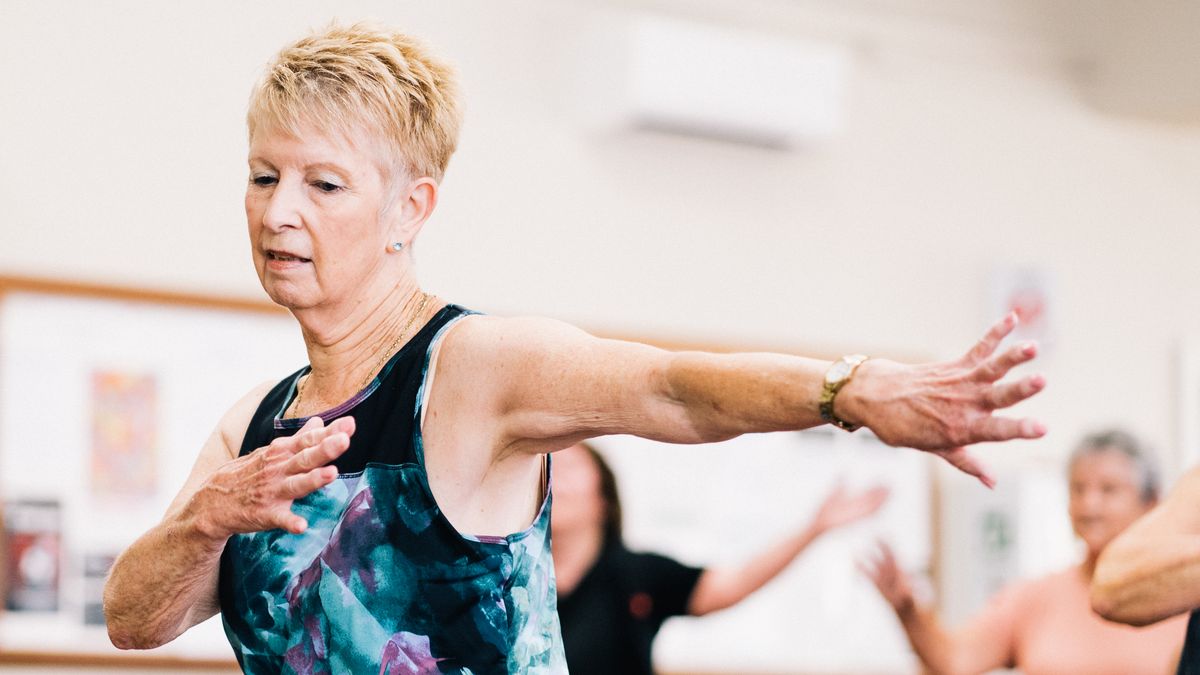
Bone strengthens in response to load. Brisk walking, stair climbing, dancing, and resistance work with weights or bands two to three times a week. Swimming and cycling protect the heart and joints but do not load bone and therefore do not build density.
Preventing the fall
The most neglected half of the problem. Anti-slip mats in bathrooms, grab bars, good lighting on stairs, removing loose rugs and trailing wires, an annual eye check, reviewing medicines that cause dizziness, and balance practice such as tai chi. No fall, no fracture.
Things that actively harm bone and are worth addressing: smoking, more than moderate alcohol, very low body weight or restrictive dieting, prolonged inactivity, and excessive caffeine on a low-calcium diet. Also relevant is protein intake, which is frequently too low in older Indian adults and matters for both bone matrix and the muscle that protects against falls. Our dietetics team can build a realistic plan around an existing diet rather than replacing it.
What Treatment Looks Like if Bone Density Is Already Low
A diagnosis of osteoporosis is not a sentence to fragility. Bone density can genuinely improve with treatment, and fracture risk falls faster than the density number itself rises.
- Correct the foundations first. Vitamin D deficiency and low calcium intake are addressed before or alongside any bone medication, because treatment works poorly without them.
- Look for a treatable cause. Overactive thyroid or parathyroid, coeliac disease, kidney disease, low testosterone in men, and steroid use are all reversible contributors that change the plan if found. Our internal medicine team works through these.
- Bone-preserving medication. Several classes exist, including drugs that slow bone removal and, for severe cases, drugs that actively stimulate bone formation. They differ in how they are taken, from daily or weekly tablets to injections given every six months or yearly. Choice depends on severity, kidney function, other conditions and what a patient will realistically stick to.
- Follow-up scanning. Bone density is usually rechecked after one to two years to confirm the treatment is working, since the effect is invisible without measurement.
- Fracture care when needed. If a fracture has already happened, treatment involves both fixing the break through our orthopaedics and joint replacement service and treating the underlying bone disease, which is the step most often forgotten. Rehabilitation through physiotherapy restores strength and reduces the chance of the next fall.
Two practical points that come up constantly. First, tablet bisphosphonates have specific instructions, typically taken on an empty stomach with a full glass of plain water while remaining upright for at least half an hour. These instructions exist to prevent oesophageal irritation and are not optional. Second, tell your dentist you are on bone medication before any extraction or implant. It rarely changes anything, but it is information the dental team should have, and our dental department coordinates on this routinely.
Book the scan you have been meaning to book
Raj Hospitals, Bariatu Road, Ranchi offers bone density assessment with same-day reporting, plus calcium, vitamin D and thyroid blood work in one visit. Fifteen minutes now beats a hip fracture later.
Frequently Asked Questions
At what age should you get screened for osteoporosis?
Commonly from 65 in women and 70 in men at average risk, but considerably earlier with additional risk factors, often from menopause in women. Earlier testing is justified by early menopause before 45, a parent who fractured a hip, long-term steroid use, low body weight, smoking, heavy alcohol, rheumatoid arthritis, thyroid or parathyroid overactivity, or any fracture after a fall from standing height.
What is a DEXA scan and what does it involve?
Dual-energy X-ray absorptiometry. You lie fully clothed on an open padded table while a scanning arm passes above you, usually measuring the lower spine and hip. No tunnel, no injection, no dye. It takes ten to fifteen minutes, is painless, and uses a very small radiation dose, far less than a chest X-ray. Avoid calcium supplements for about 24 hours beforehand.
What does a T-score mean on a bone density report?
It compares your bone density with a healthy young adult. Minus 1.0 or above is normal. Between minus 1.0 and minus 2.5 is osteopenia, lower than ideal but not osteoporosis. Minus 2.5 or below is osteoporosis. The score is not the whole picture, since fracture risk also depends on age, previous fractures, steroid use and family history.
Does osteoporosis have any symptoms before a fracture?
Usually not. Bone loss itself is painless, which is why it is called a silent disease. Some people notice gradual height loss, a stooped upper back, or new persistent back pain from small spinal compression fractures. Most have no warning until a wrist, hip or spine breaks after a fall that should not have caused a fracture.
How much calcium and vitamin D do adults need for bone health?
Roughly 1000 to 1200 mg of calcium daily for most adults, ideally from milk, curd, paneer, ragi, sesame, green leafy vegetables and small fish eaten with bones. Vitamin D is needed for calcium to be absorbed at all, and deficiency is common in India despite the sunshine. Vitamin D dosing should follow a measured blood level rather than guesswork.
What exercise actually strengthens bone?
Bone responds to load. Brisk walking, stair climbing, dancing and jogging where joints allow, plus resistance training with weights or bands two or three times a week. Swimming and cycling are excellent for heart and joints but do not load bone and so do not build density. Balance work matters too, because preventing the fall prevents the fracture.
Can osteoporosis be reversed or only slowed?
Density can genuinely improve, not merely hold steady. Medication combined with adequate calcium, corrected vitamin D and weight-bearing exercise increases density measurably over one to two years in most patients, and more importantly reduces fracture risk. Complete restoration to young-adult density is unusual, but substantially lower fracture risk is realistic.
Do men get osteoporosis?
Yes. It is more common in women because of the oestrogen fall at menopause, but men develop it too, particularly after 70 or earlier with steroid use, low testosterone, heavy alcohol, smoking or chronic kidney or liver disease. Because it is seen as a women's disease, men are screened less and often diagnosed only after a fracture, when outcomes are worse.
How often should a bone density scan be repeated?
It depends on the first result and on whether treatment has started. A normal scan in someone at low risk may not need repeating for several years. Osteopenia is often rechecked after about two years. Someone on treatment is usually rescanned after one to two years to confirm it is working. Your doctor sets the interval based on your result and risk profile, not a fixed rule.
Related Bone and Nutrition Guides
- Vitamin D deficiency symptoms — विटामिन डी की कमी के लक्षण
- Low vitamin D symptoms in women — what to watch for
- Joint replacement recovery — an honest week-by-week timeline
- Joint pain in winter — causes and practical remedies
- Leg pain in Hindi — पैर में दर्द के कारण और इलाज
- Thyroid problems in women — a hidden contributor to bone loss
- Orthopaedics and Joint Replacement at Raj Hospitals Ranchi
- Dr. Ujjwal Sinha — Orthopaedics and Joint Replacement, Ranchi
Last updated: September 2, 2026 · Medically reviewed by our consultant orthopaedic surgeons and physicians · About Raj Hospitals
Medical disclaimer: This article is general health education. Screening intervals, calcium and vitamin D dosing, and osteoporosis medication must be individualised. Do not start or stop bone medication or high-dose supplements without medical advice.