


 Cardiology
  Critical Care
  Emergency
  Gastroenterology
  Minimal Access Surgery
  Nephrology
  Neuro & Spine Surgery
  Neurology
  Oncology (Cancer Care)
  Orthopaedics & Joint Replacement
  Pulmonology
  Urology
  Aesthetic & Reconstructive Surgery
  Dental
  Dermatology
  ENT
ENT  Eye Care
  Haematology
  Internal Medicine
  Nutrition & Dietetics
  Obstetrics & Gynaecology
  Pediatrics & Neonatology
  Physiotherapy & Rehabilitation
  Psychiatry & Mental Health
  Radiology
  FNAC, Biopsy, Blood & Laboratory Investigations
Joint Replacement Recovery: An Honest Week-by-Week Timeline
Patients do not usually postpone knee replacement because they doubt it works. They postpone it because of a story they have heard: an uncle who was bedridden for three months, a neighbour who "was never the same again", a vague sense that the recovery is worse than the disease. Meanwhile they spend four more years unable to climb stairs, sleeping badly, and quietly shrinking their life to fit the pain. The right answer to that fear is not reassurance. It is an honest, specific knee replacement recovery timeline, including the parts the glossy brochure leaves out.
Week 1: What Pain Control and Mobility Actually Look Like
The single biggest surprise for most patients is how early they are made to stand up. Not after a week of rest. Usually the same day as surgery, or the next morning at the latest, with a physiotherapist and a walking frame. This is not toughness for its own sake. Early mobilisation dramatically reduces the risk of blood clots, chest infection and stiffness, and the evidence for it is strong enough that it is now standard practice worldwide.
On pain, honestly. It hurts. It is also far better controlled than the stories suggest, because pain relief is no longer a single injection given when you complain. Modern practice is multimodal: a regional nerve block or spinal anaesthetic given at the time of surgery that keeps the leg comfortable well into the first day, scheduled oral medication given by the clock rather than on demand, and ice applied regularly. Most patients describe the resting pain as a deep ache they can live with. The part that is genuinely unpleasant is not lying still, it is doing physiotherapy on a swollen, stiff knee. That is a different kind of discomfort and it is temporary.
What week one actually contains:
- Day 0 to 1. Standing and a few steps with a frame. Ankle pumping exercises every waking hour to keep blood moving. Ice, elevation and scheduled pain relief.
- Day 1 to 3. Walking a few metres, then to the bathroom and back. Learning stairs safely, usually with the rule of good leg up, operated leg down. Most patients go home somewhere between day two and day four.
- Day 3 to 7. Short walks around the house every couple of hours rather than one long walk. Straightening exercises. Sleep is often disturbed this week, which is normal and improves.
- Swelling. The knee will be swollen, warm and bruised, sometimes down to the ankle and foot. This is expected. Cold packs for fifteen to twenty minutes several times a day and elevating the leg above heart level help more than anything else.
- Clot prevention. Blood-thinning medication, compression stockings, and above all movement. Take these seriously. They matter more than any exercise you do this week.
Weeks 2 to 6: Physiotherapy Milestones and Walking Aids
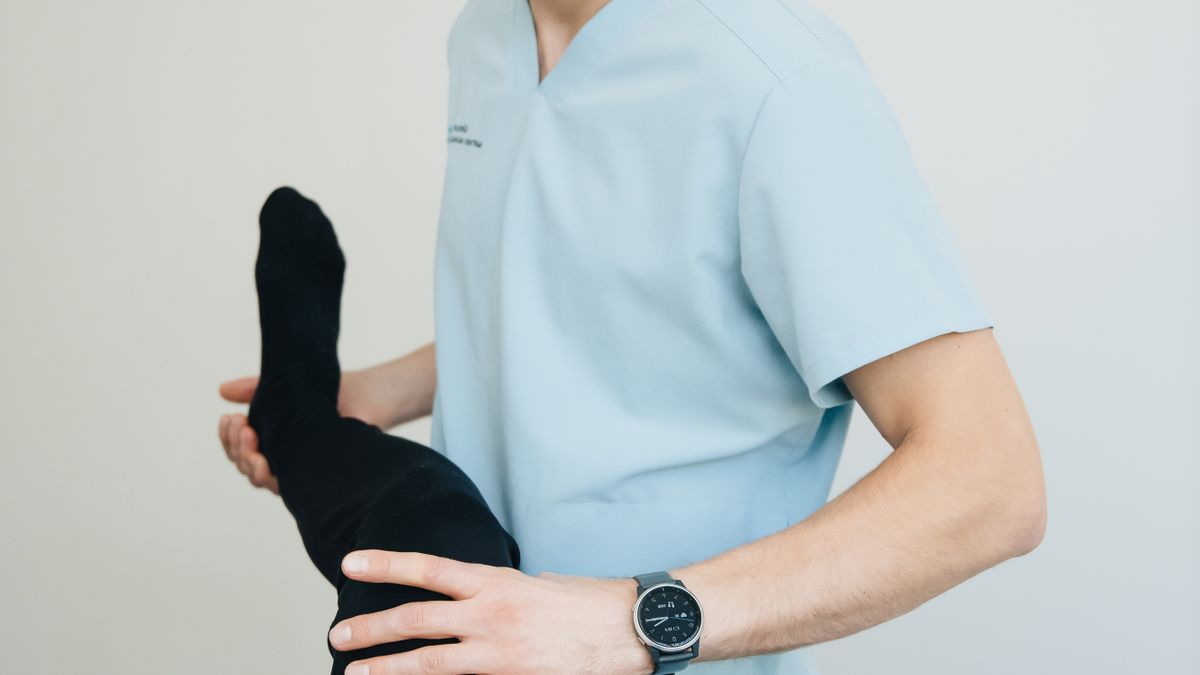
This is the stretch that determines your outcome, and it is also the stretch where motivation dips because the dramatic early progress has stopped. The surgery gives you a new joint. Physiotherapy is what turns it into a working leg.
Two numbers matter more than anything else after a knee replacement. The first is full straightening, called extension. A knee that will not straighten completely produces a permanent limp and constant thigh fatigue, and regaining it later is very difficult. The second is bend, called flexion. A common target is roughly 90 degrees by the end of week two and 110 to 120 degrees by three months. Both are won or lost in the first six weeks, because scar tissue matures during this window and stiffness that sets in now is far harder to reverse later.
Weeks 2 to 3
Stitches or clips removed around day 10 to 14. Walking longer distances indoors. Progressing from walker to a stick for many patients. Working actively on full straightening. Driving is still off the table.
Weeks 4 to 6
Most patients stop using an aid somewhere in here. Short outdoor walks. Stationary cycling begins, often first as a partial rotation and then full. Quadriceps strengthening becomes the priority. Many people return to desk work around week four to six.
On giving up the walking aid. Patients are often in a hurry to abandon it as a symbol of progress. Resist that. Walking with a limp because you dropped the stick too early teaches your body a faulty movement pattern that then takes months of physiotherapy to unlearn. The aid goes when your gait is even, not when your pride says so. Our physiotherapy and rehabilitation department makes that call with you.
Hip replacement differs here. Hips generally feel better sooner and demand less physiotherapy than knees, because the hip is a ball and socket joint that does not need the same fight for range of movement. The trade-off is a set of precautions in the early weeks, typically avoiding bending the hip beyond 90 degrees, crossing the legs, or twisting on the operated leg, to protect against dislocation while the tissues heal. Your surgeon will tell you which precautions apply to your specific approach.
Months 2 to 3: Returning to Normal Daily Activity
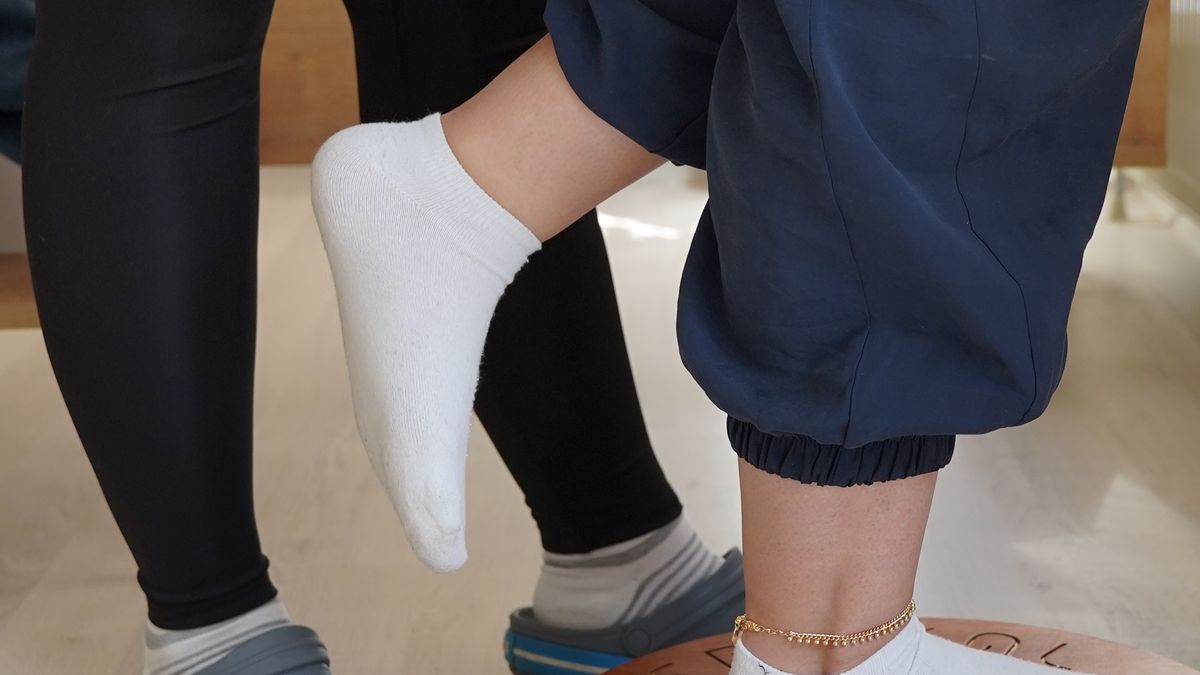
By around eight to twelve weeks the character of recovery changes. You are no longer fighting for movement. You are rebuilding strength and confidence.
- Walking. Comfortable distances outdoors, on uneven ground, and up and down stairs without conscious thought.
- Driving. Typically around four to six weeks for a left knee in an automatic, and six to eight weeks for a right knee, but the real test is whether you can perform an emergency stop without hesitation and are off strong painkillers. Confirm with your surgeon and your insurer.
- Work. Desk work around four to six weeks. Work involving standing, walking or lifting usually three months or more.
- Exercise. Walking, stationary cycling, swimming and light gym work are all encouraged. Running, jumping, contact sport and heavy squatting are generally discouraged for life, because impact shortens implant lifespan.
- Sleep. Finding a comfortable sleeping position often takes eight to twelve weeks. This bothers people more than they expect and it does resolve.
The question every Indian patient asks: can I sit cross-legged and squat again? Be wary of anyone who answers this breezily. After a conventional total knee replacement, deep squatting, floor sitting and kneeling are generally discouraged, because they load the implant heavily and can shorten its life. Many patients regain enough bend to manage these occasionally, but they are not recommended as a daily habit. If floor-level living, Indian-style toilets or floor seating are unavoidable in your home, raise it before surgery. It genuinely affects planning, implant choice and the home modifications worth making in advance.
What Patients Say Surprised Them, Honestly
These are the things that come up in follow-up clinic again and again, and almost none of them appear in patient information leaflets.
- "Nobody told me I would be standing the same day." Most people expect a week of bed rest and are alarmed when asked to stand within hours. It is deliberate and it is safe.
- "The physiotherapy was harder than the surgery." Consistently the most common comment. The operation is done under anaesthesia. The rehabilitation is done by you, awake, every day, for six weeks.
- "Week three felt like a step backwards." A plateau or a dip around weeks three to four is extremely common. Early swelling relief has passed, the novelty has worn off, progress feels slow. It is a phase, not a failure.
- "The knee felt warm for months." Warmth and mild swelling around the joint can persist for six to twelve months. On its own, without fever or spreading redness, it is normal healing.
- "There is a numb patch on the outer side of the scar." Almost universal after knee replacement. Small skin nerves are unavoidably cut during the incision. It shrinks over time and is harmless.
- "It clicks." Occasional clicking or a soft clunk from a metal and plastic joint is expected and is not a sign of loosening.
- "I wish I had done it four years earlier." The most common statement of all, and the reason this article exists. Waiting until walking is severely limited means starting rehabilitation with weaker muscles, which slows everything.
- "Sleep was the worst part." Disturbed sleep for the first few weeks affects mood and makes everything feel harder. Say so at follow-up, because it can be helped.
Who Is, and Is Not, a Good Candidate Right Now
Joint replacement is an elective operation, which means the timing is a genuine decision rather than an emergency. It is usually the right decision when:
- Pain limits daily life — disturbing sleep, restricting walking distance, or making stairs, work or worship difficult.
- Conservative treatment has been genuinely tried. Weight management, structured physiotherapy, analgesia and, in selected cases, injections. Our guides on joint pain treatment options in Ranchi and managing joint pain in winter cover the non-surgical side.
- X-rays match the symptoms. Severe pain with a nearly normal X-ray usually means the problem is not primarily the joint surface, and operating will disappoint.
- You are able and willing to do the rehabilitation. This is not a passive treatment.
Surgery is usually deferred for the following, most of which are correctable rather than permanent barriers:
- Any active infection anywhere in the body, including dental abscesses, skin infections and urinary tract infections. Bacteria can seed onto a new implant. Dental work is best completed before surgery.
- Poorly controlled diabetes. High blood sugar substantially raises infection and wound healing risk. Getting diabetes under proper control first is one of the highest-value things a patient can do, and our internal medicine team works alongside the surgeons on this.
- Unstable heart or lung disease. Needs assessment and optimisation first. Anyone with cardiac history should read our guide on atypical cardiac symptoms before any elective surgery.
- Current smoking. It measurably impairs wound healing and bone integration. Stopping several weeks before surgery genuinely changes outcomes.
- Very weak thigh muscles. Sometimes the better plan is six weeks of prehabilitation first, which improves the post-operative result.
- Significant obesity. It raises complication risk and shortens implant life without ruling surgery out. It is a discussion about risk, not a refusal.
- Untreated vitamin D deficiency or poor bone quality. Worth correcting beforehand, and relevant to our companion guide on bone density screening after 50.
Been putting off a knee or hip replacement?
Bring your X-rays to Raj Hospitals, Bariatu Road, Ranchi for an honest opinion on whether surgery is the right call now, later, or not at all. In-house imaging, joint replacement surgeons and a dedicated physiotherapy unit under one roof.
Frequently Asked Questions
How long does knee replacement recovery take?
Most patients walk with support within a day, manage stairs and household distances by two to three weeks, and stop needing a walking aid between four and eight weeks. Daily life feels broadly normal by around three months, with swelling and the last of the stiffness improving for up to a year. Hip replacement generally recovers a little faster in the first six weeks.
How painful is the first week after knee replacement?
Demanding rather than unbearable. Pain control is multimodal, combining a regional nerve block given during surgery, scheduled oral medication and ice, so most patients can walk on day one. The genuinely unpleasant part is not resting pain but the effort of physiotherapy on a swollen, stiff knee, and that is temporary.
When can I walk without a walker after joint replacement?
Most progress from walker to stick between two and four weeks and stop using any aid between four and eight. It depends on age, pre-surgery muscle strength, whether one or both joints were replaced and physiotherapy consistency. Dropping the aid too early causes limping patterns that take months to unlearn, so decide it with your physiotherapist.
How much knee bend should I have after knee replacement?
A common target is full straightening plus about 90 degrees of bend by the end of week two, and roughly 110 to 120 degrees by three months. Full straightening matters more than patients expect, because a knee that will not straighten produces a permanent limp. The first six weeks are when range is won or lost.
When can I sit cross-legged or squat after knee replacement?
Deep squatting, floor sitting and kneeling are generally discouraged after a conventional total knee replacement because they load the implant heavily and can shorten its life. Many patients regain enough bend to manage them occasionally, but not as a daily habit. If floor-level living is unavoidable at home, raise it before surgery, because it affects planning.
How long does a knee replacement last?
Modern implants commonly last around 15 to 20 years or more, and many patients never need a revision. Longevity depends on weight, activity type, implant quality and technique. High-impact activity, running and heavy manual labour shorten implant life; walking, cycling and swimming do not. Surgeons weigh age against likely implant lifespan when timing surgery.
What are the warning signs of a problem after joint replacement?
Fever with chills, increasing rather than settling redness or warmth, discharge or pus from the wound, a sudden increase in pain after improving, calf pain with swelling and tenderness, sudden breathlessness or chest pain, or an inability to bear weight when you previously could. These are uncommon but far easier to treat early, so contact your surgeon rather than waiting.
Who is not a good candidate for joint replacement right now?
Surgery is usually deferred for active infection anywhere including dental and urinary; poorly controlled diabetes; unstable heart or lung disease; very weak thigh muscles better addressed with prehabilitation; and current smoking. Significant obesity raises risk without ruling surgery out. Most of these are correctable rather than permanent barriers.
Can both knees be replaced at the same time?
Sometimes. Replacing both in one sitting means one anaesthetic, one hospital stay and one rehabilitation period, but it is more demanding physically and is generally reserved for younger, fitter patients with severe disease in both knees. Staging the operations a few months apart is often safer for older patients or those with heart, lung or kidney conditions. Your surgeon will weigh this individually.
Related Bone and Joint Guides
- Joint pain treatment in Ranchi — options before surgery
- Why joint pain worsens in winter, and what helps
- Morning leg and joint pain — सुबह उठते ही दर्द क्यों होता है
- High uric acid symptoms — when joint pain is gout, not arthritis
- Leg swelling — causes that need investigation
- Bone hydrogel treatment — newer options in joint care
- Orthopaedics and Joint Replacement at Raj Hospitals Ranchi
- Dr. Mozammil Pheroz — Orthopaedics and Joint Replacement, Ranchi
- Dr. Deepak Verma — Orthopaedics and Joint Replacement, Ranchi
Last updated: September 2, 2026 · Medically reviewed by our consultant orthopaedic surgeons · About Raj Hospitals
Medical disclaimer: Recovery timelines vary with age, general health, muscle strength, whether one or both joints are replaced, and the surgical approach used. The schedule above describes a typical straightforward case and is not a substitute for the specific instructions given by your own surgeon and physiotherapist.