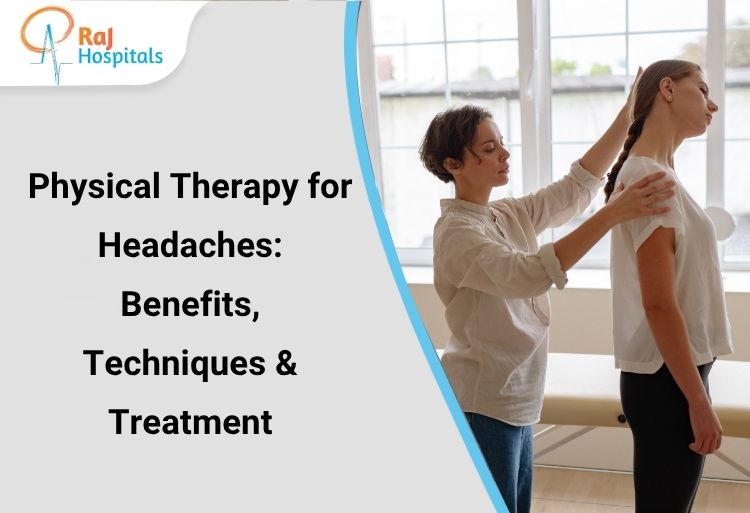
If you suffer from recurring headaches and are tired of relying on pain medications, physical therapy for headaches may be the effective, drug-free solution you have been searching for. Physical therapy is a clinically proven approach for reducing the frequency, duration, and intensity of several types of headaches, particularly tension-type and cervicogenic (neck-related) headaches. In India, awareness about physiotherapy as a treatment for chronic headaches is growing, and many patients are finding lasting relief through targeted exercises and manual therapy techniques.
What Is Physical Therapy for Headaches?
Physical therapy for headaches is a specialised form of treatment provided by licensed physiotherapists who assess and treat musculoskeletal causes of head pain. Rather than masking the symptoms with medication, physical therapy addresses the root causes — such as tight muscles, poor posture, restricted joint movement, and nerve irritation — that are generating the headache pain. The goal is not just short-term relief but long-term prevention and improvement in quality of life.
Types of Headaches That Respond Best to Physical Therapy
Cervicogenic Headaches
Cervicogenic headaches originate from problems in the cervical spine (neck region) — such as stiff joints, tight muscles, or disc issues — and refer pain to the head. These are among the most successfully treated headaches with physical therapy. The pain typically starts at the back of the neck and radiates to the forehead, temples, or behind the eyes. If you also experience an eyes headache along with neck stiffness, a cervicogenic cause is very likely.
Tension-Type Headaches
Tension headaches are the most common type worldwide and are directly linked to muscle tension in the head, neck, and shoulders. Physical therapy targets these tight muscles through manual therapy, stretching, and strengthening exercises, providing significant and lasting relief. Research published in the Journal of Physiotherapy confirms that physiotherapy is one of the most effective treatments for chronic tension-type headaches.
Post-Traumatic Headaches
Headaches that develop following a head or neck injury — such as whiplash after a road accident — respond very well to physical therapy. A physiotherapist creates a rehabilitation programme to restore normal movement, reduce muscle guarding, and eliminate the persistent pain patterns caused by the injury.
Migraine Headaches
While migraines have a complex neurological basis, physical therapy can play a valuable supporting role by reducing musculoskeletal triggers. Many migraine sufferers also have cervical dysfunction and trigger points that contribute to their attacks. Addressing these through physiotherapy reduces the overall frequency of migraine episodes. Understanding the difference between migraine and headache helps therapists design the most appropriate treatment plan.
Key Physical Therapy Techniques for Headaches
1. Cervical Joint Mobilisation and Manipulation
The physiotherapist uses hands-on techniques to gently mobilise or manipulate the joints of the cervical spine. This restores normal range of motion, reduces joint stiffness, and eliminates the pain signals being sent to the head. Studies consistently show that cervical mobilisation is highly effective for both cervicogenic and tension headaches.
2. Soft Tissue Therapy and Trigger Point Release
Tight, knotted muscles (trigger points) in the suboccipital muscles at the base of the skull, upper trapezius, sternocleidomastoid, and temporalis muscles are key contributors to headache pain. The physiotherapist applies targeted pressure to release these trigger points, providing immediate relief and reducing headache recurrence.
3. Postural Correction
Forward head posture — where the head sits forward of the shoulders — is epidemic among desk workers, students, and smartphone users in India. This posture places enormous strain on the neck and upper back muscles and is a primary cause of chronic headaches. Physiotherapists identify and correct faulty posture through education, targeted exercises, and ergonomic advice.
4. Strengthening Exercises
Weakness in the deep neck flexor muscles is strongly associated with chronic headaches. Physiotherapists prescribe specific strengthening exercises for these muscles, which support the cervical spine, reduce muscle fatigue, and prevent headache recurrence. Regular exercise also benefits people who experience allergy-related headaches by reducing overall inflammation and stress.
5. Dry Needling
Dry needling involves inserting fine needles into trigger points in the muscles to release tension and reduce pain. It is different from acupuncture and is performed by trained physiotherapists. Dry needling is particularly effective for tension headaches and cervicogenic headaches that are driven by muscular trigger points.
6. Relaxation and Breathing Techniques
Stress and anxiety amplify headache pain significantly. Physical therapists incorporate diaphragmatic breathing exercises, progressive muscle relaxation, and mindfulness techniques into the treatment plan to reduce the psychological component of chronic headaches.
Home Exercises for Headache Relief
Your physiotherapist will prescribe a personalised home exercise programme. Common exercises include chin tucks to correct forward head posture, neck stretches for the upper trapezius and sternocleidomastoid, shoulder blade squeezes to improve upper back strength, and suboccipital muscle release using a tennis ball against a wall. Consistency with these exercises is the key to long-term headache prevention.
What to Expect During Physical Therapy Sessions
Your first session begins with a thorough assessment of your posture, neck range of motion, muscle strength, and pain patterns. The physiotherapist will ask about the history of your headaches, your work environment, sleep habits, and stress levels. From this assessment, a personalised treatment plan is created. Most patients notice significant improvement within four to six sessions. For people whose headaches have a dental or jaw component, addressing TMJ dysfunction alongside physical therapy produces the best outcomes.
Benefits of Choosing Physical Therapy for Headaches
Physical therapy offers numerous advantages over long-term medication use. It is drug-free and has no side effects. It addresses the root cause rather than just masking symptoms. It reduces the risk of medication overuse headache, which occurs when pain relievers are taken too frequently. It provides patients with tools and exercises to self-manage their condition. It improves overall posture, strength, and wellbeing beyond just headache relief.
Start Your Physical Therapy Journey at Raj Hospitals
Tired of relying on painkillers for headache relief? Our expert physiotherapists at Raj Hospitals provide personalised physical therapy programmes to treat the root cause of your headaches and give you lasting, drug-free relief.
Book a Physiotherapy ConsultationConclusion
Physical therapy for headaches is a safe, effective, and evidence-based treatment that addresses the underlying musculoskeletal causes of head pain. Whether you suffer from tension headaches, cervicogenic headaches, post-traumatic headaches, or migraine-associated neck pain, a qualified physiotherapist can create a targeted treatment plan that delivers real, lasting relief. If you are ready to move beyond temporary pain relief and tackle your headaches at their source, consult a physiotherapy specialist at Raj Hospitals today.