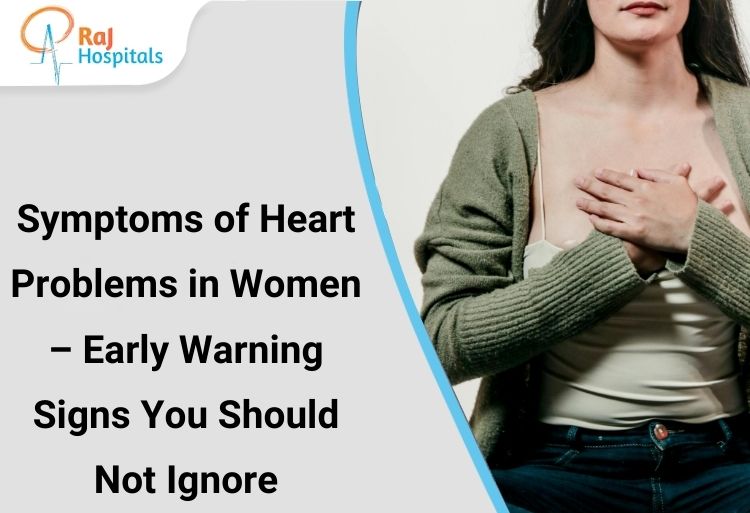
Heart disease remains one of the leading causes of death among women worldwide, yet its early warning signs are frequently misunderstood, ignored, or misdiagnosed. Unlike the dramatic “crushing chest pain” often associated with men, symptoms of heart problems in women can be subtle, atypical, and dangerously easy to overlook. This lack of awareness contributes to delayed diagnosis, advanced disease progression, and poorer outcomes.
Ignoring early symptoms of heart problems in women can have severe consequences. Many women attribute warning signs to stress, fatigue, acidity, or aging, only to discover later that these were indicators of serious cardiac issues. Understanding these symptoms is not optional—it is essential for timely intervention.
Why Heart Symptoms in Women Are Often Missed
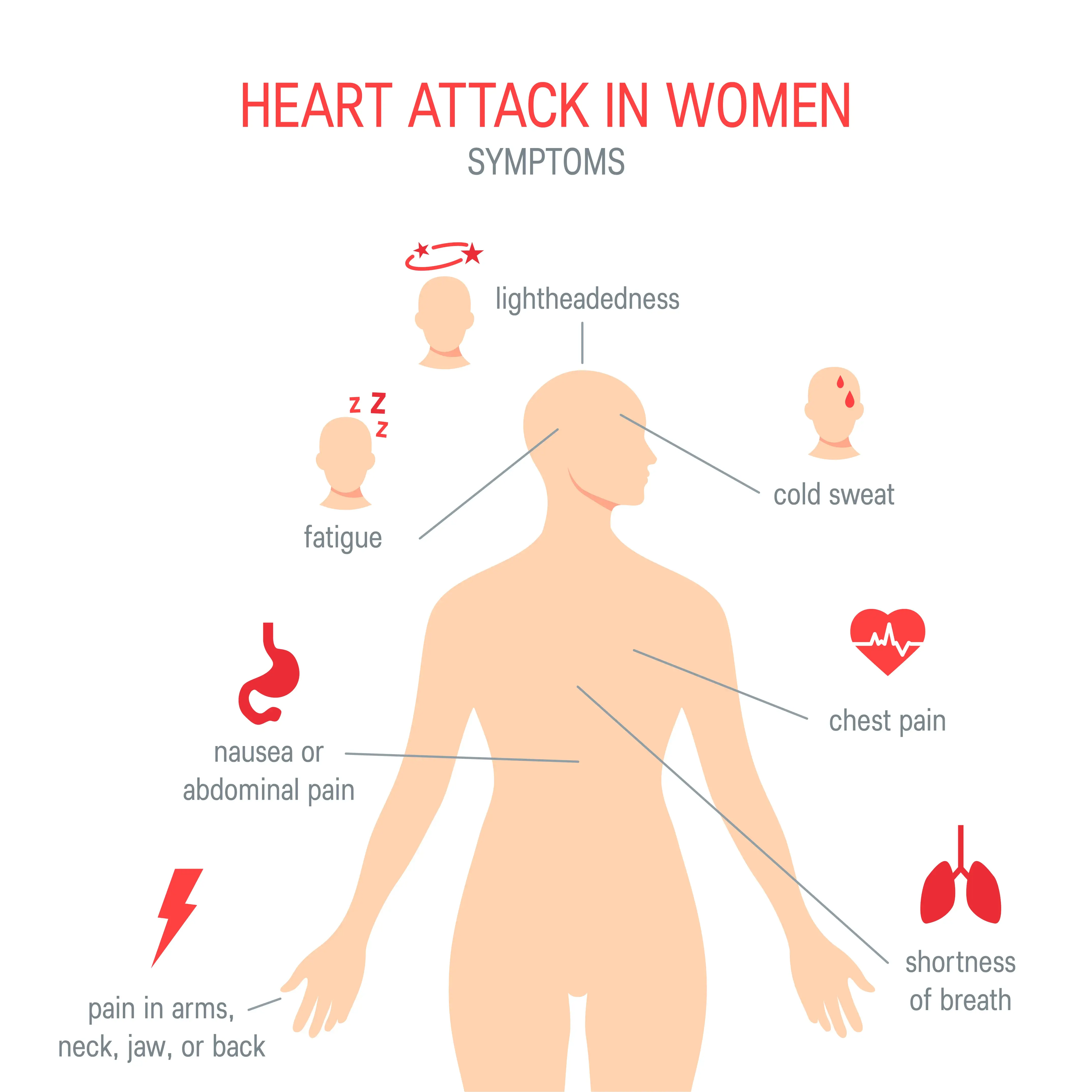
Women frequently experience non-classic symptoms that differ from traditional heart attack signs. Research highlighted by organizations like the American Heart Association shows that atypical presentations contribute to underdiagnosis. Healthcare delays and self-dismissal of symptoms worsen the risk.
Common reasons symptoms go unnoticed include:
- Symptoms mistaken for digestive issues or anxiety
- Gradual onset rather than sudden severe pain
- Cultural tendency to prioritize family over personal health
- Lack of awareness about gender-specific cardiac symptoms
These factors collectively increase the likelihood of advanced-stage detection of heart disease symptoms in women.
Most Common Early Warning Signs of Heart Problems in Women


Women rarely experience only one symptom. Instead, they often present with a cluster of vague yet dangerous signs.
1. Unusual Chest Discomfort
While sharp chest pain can occur, many women feel:
- Tightness, pressure, or fullness in the chest
- Burning sensation mistaken for acidity
- Intermittent discomfort rather than constant pain
This symptom may appear mild but can indicate coronary artery disease.
2. Extreme or Unexplained Fatigue
Persistent fatigue—especially without exertion—can signal reduced blood flow to the heart. Women often report feeling exhausted weeks before a cardiac event. Unlike normal tiredness, this fatigue does not improve with rest.
3. Shortness of Breath
Difficulty breathing without physical activity is a major red flag. It may appear as:
- Breathlessness during simple tasks
- Sudden inability to lie flat comfortably
- Feeling winded while speaking
This symptom is often confused with respiratory issues rather than heart disease symptoms.
4. Pain in Unusual Areas
Women may feel discomfort in:
- Neck or jaw
- Upper back
- Shoulders or arms
- Upper abdomen
These atypical pain patterns frequently delay cardiology consultation and appropriate diagnosis.
5. Nausea, Indigestion, or Vomiting
Digestive complaints are common early warning signs. Many women assume acidity or food poisoning, ignoring the possibility of an underlying heart condition. Persistent nausea combined with fatigue or chest discomfort should never be dismissed.
6. Dizziness or Lightheadedness
Sudden dizziness, fainting, or feeling weak can indicate reduced cardiac output or abnormal heart rhythm. When paired with palpitations or shortness of breath, it may signal an impending cardiac emergency.
7. Palpitations or Irregular Heartbeat
A racing or irregular heartbeat, even if brief, can indicate arrhythmia or heart muscle stress. Women often ignore palpitations until they become severe or frequent.
Less Recognized but Dangerous Symptoms

Certain symptoms are subtle yet strongly associated with heart problems in women:
- Sudden anxiety with physical symptoms
- Sweating without exertion
- Persistent sleep disturbances
- Swelling in feet or ankles (possible heart failure sign)
Ignoring these signs may lead to late-stage diagnosis and complex treatment requirements.
Risk Factors That Increase Symptom Severity
Women with the following conditions are more likely to experience severe or silent cardiac symptoms:
- Diabetes and high blood pressure symptoms
- Obesity and sedentary lifestyle
- Smoking or exposure to passive smoking
- Hormonal changes during menopause
- Family history of cardiovascular disease
These factors accelerate plaque buildup and worsen coronary artery blockages, often without clear early warning signs.
Why Ignoring These Symptoms Is Dangerous
Delaying medical attention can result in:
- Increased risk of heart attack or stroke
- Permanent heart muscle damage
- Higher mortality compared to men
- Complicated and prolonged treatment
Women often reach emergency care later than men because symptoms feel less alarming, yet the underlying disease may be more advanced.
Frequently Asked Questions (FAQs)
1. Do women always experience chest pain during a heart attack?
No. Many women experience fatigue, nausea, breathlessness, or jaw and back pain instead of classic chest pain. This difference often leads to delayed diagnosis.
2. Are heart symptoms in women milder than in men?
Not necessarily. Symptoms may appear milder but often indicate equally severe or more advanced heart disease.
3. Can heart disease symptoms in women come and go?
Yes. Intermittent symptoms are common and misleading. Repeated episodes of discomfort should never be ignored.
4. When should a woman seek medical help?
Immediate evaluation is necessary if symptoms like chest discomfort, shortness of breath, unusual fatigue, or palpitations appear suddenly or worsen over time.
Conclusion: Early Warning Signs You Should Never Ignore
Ignoring early symptoms of heart problems in women can be life-threatening. Even subtle changes in physical health may indicate serious cardiovascular disease. Awareness and timely evaluation are critical to prevent severe complications.