Anxiety in men is often overlooked, minimized, or misinterpreted as mere stress, irritability, or personality traits. However, untreated anxiety can gradually evolve into serious mental health issues, affecting emotional stability, physical health, and daily functioning. Many men hesitate to acknowledge psychological distress due to social stigma, which results in delayed diagnosis and worsening symptoms over time. Ignoring anxiety symptoms in men can lead to severe long-term consequences, including depression, substance abuse, and chronic health disorders.
Understanding the common signs of anxiety and stress in men is critical, as early recognition can prevent the condition from escalating into debilitating mental and physical health complications.
Why Anxiety Symptoms in Men Are Often Ignored
Men frequently mask anxiety through behavioral changes rather than expressing emotional distress. Instead of openly discussing fear, worry, or panic, symptoms may appear as anger, withdrawal, or risky habits. This difference in expression makes mental health issues in men harder to identify and often leads to underdiagnosis.
Reports from the World Health Organization highlight that untreated anxiety contributes significantly to global mental health burden, particularly among men who are less likely to seek psychological support.
Common reasons anxiety goes unnoticed include:
- Social pressure to appear emotionally strong
- Mislabeling anxiety as normal work stress
- Reluctance to discuss mental health issues
- Lack of awareness about psychological symptoms
Ignoring these warning signs allows anxiety disorders to intensify and disrupt multiple aspects of life.
Common Anxiety Symptoms in Men
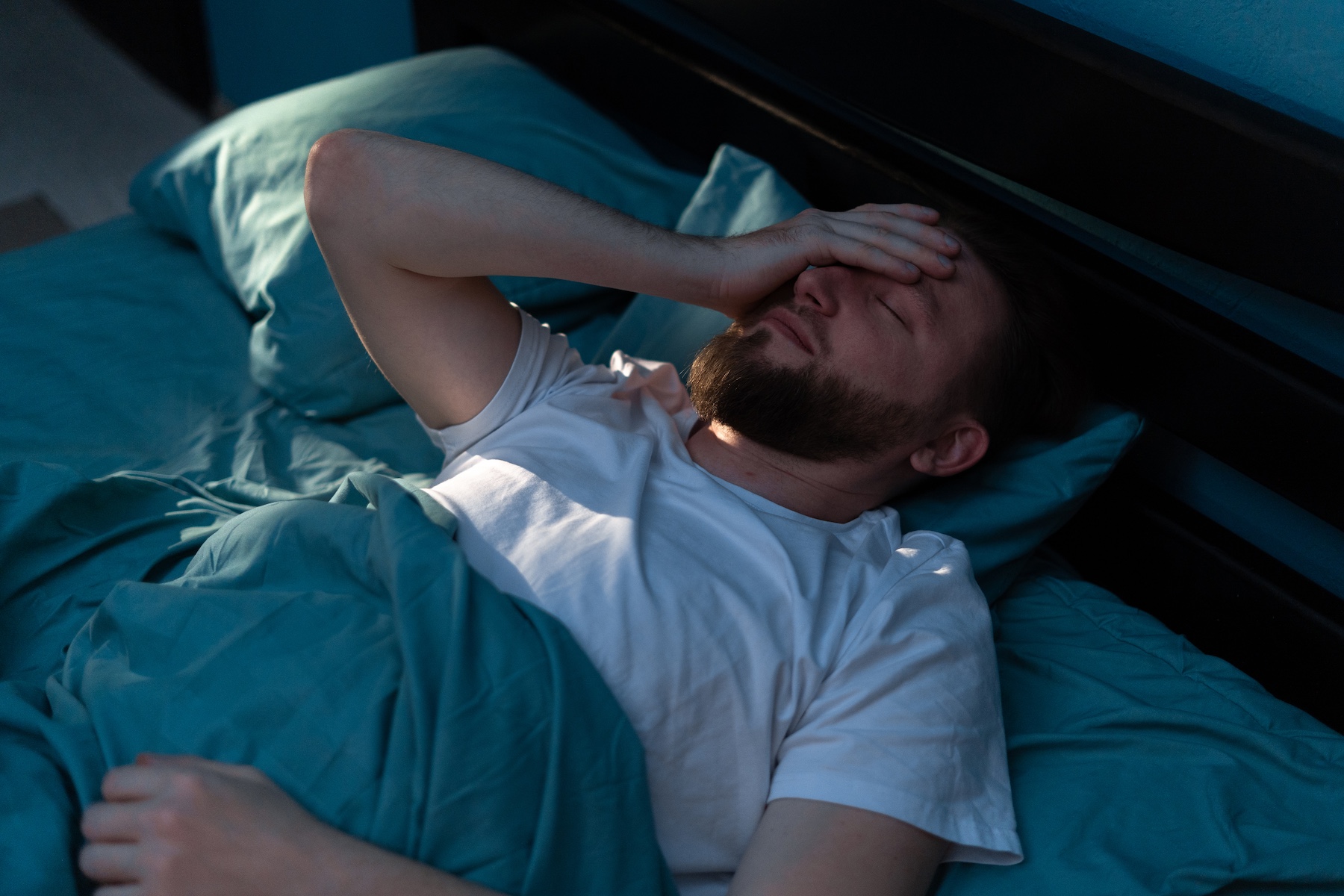
Anxiety symptoms in men can be psychological, behavioral, and physical. Often, these symptoms are mistaken for lifestyle-related fatigue or personality changes, which delays timely mental health evaluation.
Emotional and Psychological Signs
- Persistent worry or excessive overthinking
- Feeling restless, tense, or constantly “on edge”
- Difficulty concentrating or making decisions
- Frequent irritability or sudden anger outbursts
- Feelings of fear without a clear reason
These symptoms indicate chronic stress response and mental exhaustion, which, if ignored, may progress into anxiety disorders or depression.
Behavioral Symptoms of Stress in Men
Many men display anxiety through noticeable behavior changes rather than verbalizing distress:
- Social withdrawal and isolation
- Increased alcohol or substance use
- Avoidance of responsibilities or decision-making
- Loss of interest in previously enjoyed activities
Such patterns are often misinterpreted as attitude problems rather than serious mental health warning signs.
Physical Symptoms of Anxiety in Men
Anxiety is not limited to the mind; it often manifests through the body, creating confusion and delayed diagnosis.
- Rapid heartbeat or palpitations
- Excessive sweating without exertion
- Shortness of breath or chest tightness
- Frequent headaches or muscle tension
- Sleep disturbances or insomnia
- Chronic fatigue and low energy levels
These physical symptoms are frequently mistaken for cardiac or neurological problems, leading to repeated medical visits without addressing the underlying psychological cause.
Less Recognized but Dangerous Anxiety Signs

Certain subtle signs are often overlooked but may indicate severe anxiety and chronic stress disorders:
- Sudden panic attacks or intense fear episodes
- Constant negative thinking or hopelessness
- Unexplained aggression or frustration
- Digestive issues related to stress
- Reduced work productivity and focus problems
These symptoms can severely impact personal relationships, professional performance, and overall life satisfaction.
Causes and Risk Factors of Anxiety in Men
Anxiety disorders in men are rarely caused by a single factor. Instead, they arise from a combination of psychological, environmental, and biological triggers.
Major Causes Include:
- Chronic workplace stress and job pressure
- Financial responsibilities and societal expectations
- Relationship conflicts or family stress
- Sleep deprivation and unhealthy lifestyle
- Past trauma or unresolved emotional experiences
Ignoring these triggers can worsen anxiety severity and increase vulnerability to mental burnout.
Long-Term Health Effects of Untreated Anxiety
Failing to address anxiety symptoms in men can lead to serious health consequences beyond emotional distress.
Psychological Effects
- Increased risk of depression and mood disorders
- Low self-esteem and persistent negativity
- Difficulty managing emotions and decision-making
Physical Health Consequences
- High blood pressure and cardiovascular risk
- Weakened immune response
- Chronic fatigue and hormonal imbalance
- Increased risk of substance dependence
These long-term effects highlight that anxiety is not just a temporary stress response but a serious health concern requiring attention.
Why Men Delay Seeking Help
Men often delay mental health consultations due to fear of judgment or belief that symptoms will resolve on their own. Unfortunately, this delay allows anxiety to become chronic and more difficult to treat. The longer symptoms persist, the greater the impact on mental stability and physical well-being.
FAQs – Anxiety Symptoms in Men
1. How do anxiety symptoms differ in men compared to women?
Men are more likely to show irritability, anger, and risky behaviors instead of openly expressing fear or sadness.
2. Can anxiety cause physical health problems in men?
Yes. Chronic anxiety can contribute to heart problems, sleep disorders, digestive issues, and persistent fatigue.
3. Are panic attacks common anxiety symptoms in men?
Yes. Sudden episodes of intense fear, breathlessness, and chest discomfort are common but often mistaken for heart-related issues.
4. When should men seek professional help for anxiety?
If symptoms such as constant worry, sleep issues, anger, or panic attacks persist for weeks and interfere with daily life, professional evaluation becomes essential.
Conclusion: Anxiety Symptoms in Men Should Never Be Ignored
Anxiety in men is frequently hidden behind anger, silence, or physical complaints, making it harder to recognize but equally dangerous. Ignoring these symptoms can gradually damage emotional stability, physical health, and quality of life.