Heart attacks are often perceived as a condition with obvious warning signs, yet the reality is far more complex. The symptoms of heart attack in men vs women can differ significantly, and misunderstanding these differences often leads to delayed diagnosis and higher mortality. Many people still believe that crushing chest pain is the only major sign, but this assumption is dangerous—especially for women, whose symptoms are frequently subtle and easily ignored.
Failing to recognize the key differences between male and female heart attack symptoms can result in life-threatening delays in seeking medical care. Awareness is not just important; it is essential for preventing severe complications and irreversible heart damage.
Why Comparing Heart Attack Symptoms in Men vs Women Matters
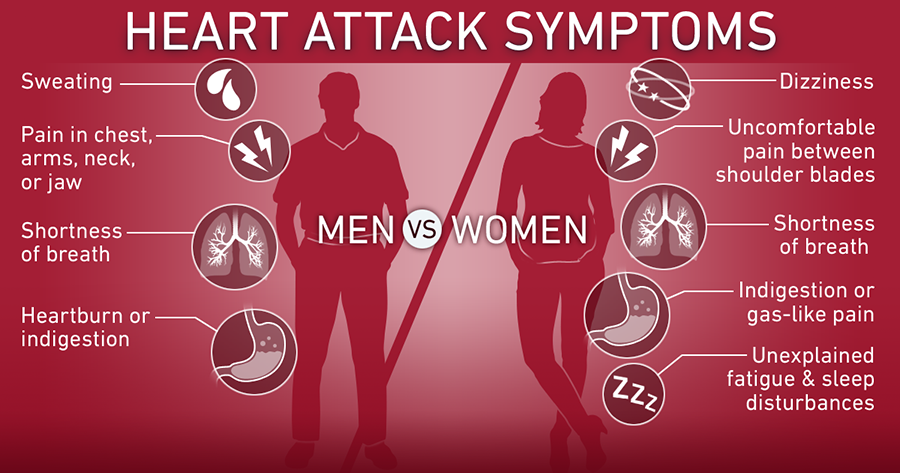
Heart disease remains a leading cause of death worldwide, yet symptom presentation varies by gender. According to the World Health Organization, delayed recognition of atypical symptoms—especially in women—contributes significantly to poor outcomes. Many women misinterpret symptoms as fatigue, acidity, or anxiety, while men may ignore early chest discomfort until the condition worsens.
Understanding these variations can help identify early warning signs and avoid the severe consequences of untreated cardiac events.
Common Heart Attack Symptoms in Men

Men are more likely to experience classic and sudden symptoms, which are typically associated with myocardial infarction. However, even these signs are sometimes ignored until the condition becomes critical.
Typical Symptoms in Men
- Intense chest pain or pressure, often described as crushing or squeezing
- Pain radiating to the left arm, jaw, or shoulder
- Shortness of breath during minimal activity
- Profuse sweating (cold sweat)
- Nausea or vomiting during chest discomfort
These symptoms usually appear abruptly and can escalate quickly. Ignoring them, even briefly, can result in severe heart muscle damage or sudden cardiac arrest.
Common Heart Attack Symptoms in Women
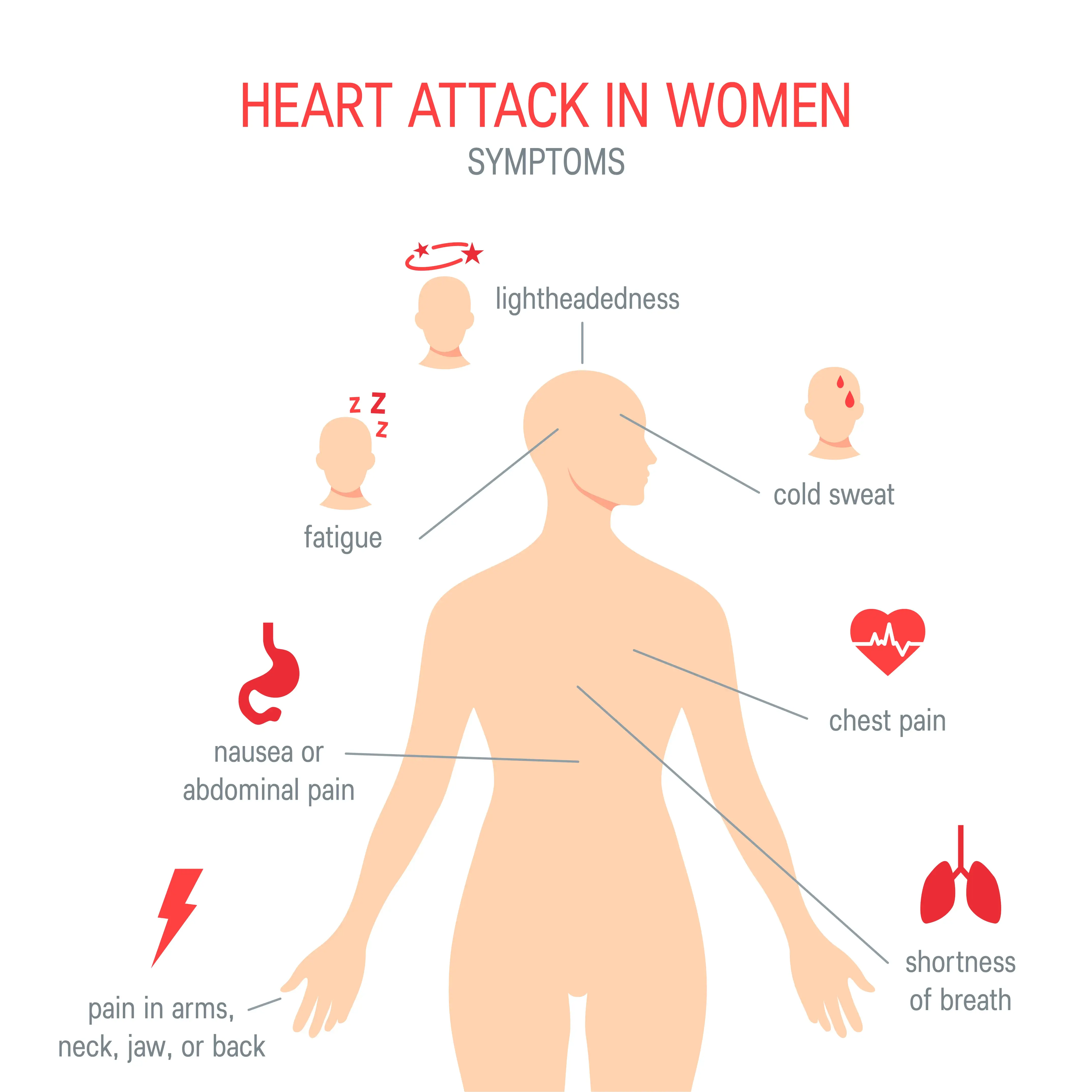
Women often experience less obvious and more diverse symptoms, which makes early detection difficult. Unlike men, women may not always feel severe chest pain, leading to dangerous delays in seeking medical attention.
Typical Symptoms in Women
- Unusual fatigue that appears days or weeks before the event
- Shortness of breath without exertion
- Pain in the jaw, neck, back, or upper abdomen
- Nausea, indigestion, or stomach discomfort
- Mild chest tightness rather than severe pain
These atypical heart attack symptoms in women are frequently misdiagnosed as digestive or stress-related issues, increasing the risk of advanced cardiac complications.
Key Differences Between Male and Female Heart Attack Symptoms

Understanding the differences between heart attack symptoms in men vs women can help prevent dangerous misinterpretations.
Major Symptom Differences
- Men usually experience sudden, severe chest pain; women often feel gradual discomfort
- Women are more likely to report fatigue and nausea before chest symptoms
- Pain location differs: men commonly feel left-arm pain, women may feel jaw or back pain
- Women’s symptoms are often subtle and develop over time
- Men tend to seek care faster due to more obvious symptoms
These differences highlight why a one-size-fits-all understanding of heart attack warning signs can be misleading and risky.
Risk Factors That Influence Symptom Presentation
Certain risk factors can modify how heart attack symptoms appear in both men and women:
- High blood pressure and uncontrolled cholesterol
- Diabetes and obesity
- Smoking and sedentary lifestyle
- Chronic stress and poor sleep habits
- Hormonal changes, particularly in postmenopausal women
These conditions not only increase heart attack risk but can also make symptoms more complex and less recognizable.
Why Misinterpreting Symptoms Can Be Fatal
Delaying treatment due to symptom confusion can cause:
- Permanent heart muscle damage
- Increased risk of heart failure
- Higher likelihood of recurrent cardiac events
- Increased mortality rates
Women, in particular, face greater danger because their symptoms are often labeled as non-cardiac issues, leading to late hospital visits and limited treatment effectiveness.
Psychological and Social Factors Affecting Symptom Response
Men and women respond differently to heart attack symptoms due to social and psychological influences:
- Men may ignore pain assuming it will subside
- Women may attribute symptoms to stress, anxiety, or fatigue
- Fear of hospitalization or diagnosis delays medical consultation
- Lack of awareness about gender-specific cardiac symptoms
These behavioral factors further complicate early detection and timely intervention.
FAQs – Heart Attack Symptoms Men vs Women
Do men and women experience the same heart attack symptoms?
No. Men usually have classic chest pain, while women often experience fatigue, nausea, breathlessness, or back and jaw pain.
Are women more likely to have silent heart attack symptoms?
Yes. Women are more prone to atypical or subtle symptoms, which can delay recognition and treatment.
Can heart attack symptoms in women appear days before the event?
Yes. Women may notice early signs like unusual fatigue, sleep disturbances, or mild breathlessness days or weeks prior.
When should someone seek emergency care?
Immediate medical attention is necessary if chest discomfort, shortness of breath, unexplained fatigue, or radiating pain appears suddenly or worsens quickly.
Conclusion: Understanding Gender Differences Can Save Lives
Heart attack symptoms in men vs women differ more than commonly assumed. Relying solely on classic chest pain as a warning sign can be dangerously misleading, especially for women whose symptoms are often subtle and gradual.