
Almost everyone experiences that familiar, throbbing pressure at some point, but understanding headaches goes far beyond just dealing with a “bad day.” For some, a headache is a minor inconvenience; for others, it is a debilitating condition that halts productivity and diminishes quality of life. Whether it is a dull ache or a sharp, piercing sensation, your body is using pain to communicate. By identifying the specific type of headache you are experiencing and its underlying triggers, you can move from temporary fixes to long-term relief. At Raj Hospitals, we specialize in diagnosing complex neurological symptoms to help you reclaim a pain-free life.
What is a Headache?
A headache is defined as pain in any region of the head. This pain may occur on one or both sides, be isolated to a certain location, or radiate across the head from a central point. While the brain tissue itself doesn’t have pain-sensitive nerve fibers, the surrounding structures—such as blood vessels, muscles, and nerves in the neck and head—do. When these structures are inflamed, stressed, or compressed, they send pain signals to the brain.
Understanding Headaches: Common Types
Not all head pain is created equal. To find the right treatment, we must first categorize the pain into Primary or Secondary headaches.
Primary Headaches
These are standalone illnesses caused directly by the overactivity of pain-sensitive structures in the head.
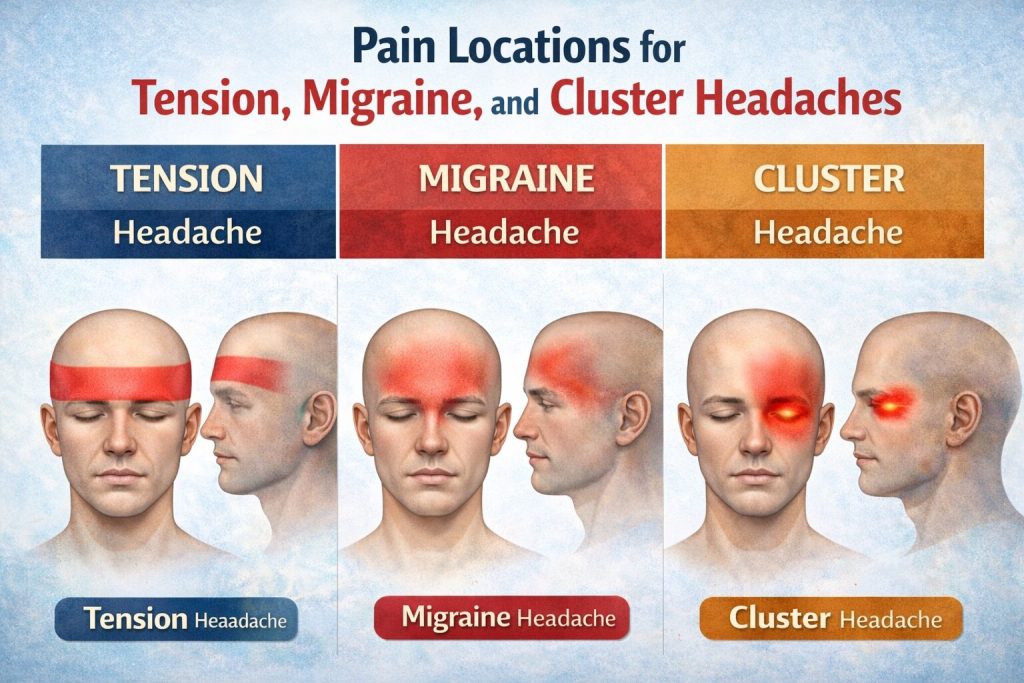
- Tension-Type Headaches: The most common variety, often described as a tight band around the head.
- Migraines: Intense, pulsing pain usually on one side, often accompanied by nausea and light sensitivity.
- Cluster Headaches: Severe patterns of pain that occur in cyclical patterns or clusters, often around one eye.
Secondary Headaches
These are symptoms of another underlying health condition, such as:
- Sinus infections (Sinus headaches)
- High blood pressure
- Medication overuse
- Cervicogenic headaches (originating from neck issues)
Common Causes and Triggers
Understanding headaches requires a deep dive into your lifestyle and environment. Pain rarely appears without a catalyst.
- Stress: Emotional strain causes muscle tension in the shoulders and neck.
- Dietary Factors: Alcohol (especially red wine), aged cheeses, caffeine withdrawal, and processed meats containing nitrates.
- Environmental Stimuli: Bright lights, strong smells (perfumes/smoke), and weather changes.
- Physical Strain: Poor posture while working at a desk or intense physical exertion.
- Sleep Patterns: Both lack of sleep and oversleeping can trigger migraines.
Symptoms to Watch For
While pain is the primary indicator, associated symptoms help doctors differentiate the type of headache:
- Tension: Steady ache, tenderness in the scalp and neck muscles.
- Migraine: Seeing “aura” (flashing lights), vomiting, and sensitivity to sound.
- Cluster: Redness or tearing in the eye, nasal congestion, and extreme restlessness.
- Sinus: Pain that worsens when bending forward, often accompanied by fever.
How Headaches are Diagnosed
At Raj Hospitals, our Neurology Department uses a systematic approach to diagnosis.
- Medical History: A detailed discussion about the frequency, duration, and intensity of your pain.
- Physical Examination: Checking for signs of infection, muscle weakness, or nerve issues.
- Imaging: If a secondary headache is suspected, we may use MRI or CT scans to rule out structural issues in the brain or skull.
- Blood Tests: To check for underlying infections or inflammatory conditions.
Treatment Options for Relief
Effective treatment is two-fold: stopping the current pain and preventing future episodes.
Immediate Relief (Acute Treatment)
- Over-the-Counter (OTC) Meds: Ibuprofen or Acetaminophen for mild tension pain.
- Triptans: Specific prescription medications that constrict blood vessels to stop migraines.
- Oxygen Therapy: Highly effective for cluster headaches.
Long-Term Management (Preventative)
- Lifestyle Adjustments: Maintaining a consistent sleep schedule and staying hydrated.
- Physical Therapy: Improving posture and neck mobility through our Physiotherapy services.
- Stress Management: Biofeedback and relaxation techniques.
Comparison of Primary Headache Types
| Feature | Tension Headache | Migraine | Cluster Headache |
|---|---|---|---|
| Location | Both sides (Band-like) | Usually one side | Around one eye |
| Pain Quality | Dull, steady ache | Throbbing, pulsing | Sharp, burning, piercing |
| Duration | 30 mins to days | 4 to 72 hours | 15 mins to 3 hours |
| Frequency | Occasional | Periodic | Cycles/Clusters |
Recovery and Prevention Tips
The best way to manage your health is through proactive prevention.
- Keep a Headache Diary: Record what you ate, your stress levels, and the weather when pain starts.
- Ergonomic Workspace: Ensure your computer screen is at eye level to prevent neck strain.
- Hydration: Dehydration is one of the most common, yet avoidable, triggers.
- Regular Exercise: Gentle movement helps reduce the frequency of tension-related pain.
If you find that your headaches are becoming more frequent, it may be time to consult a specialist to develop a personalized management plan.
When to See a Doctor
While most headaches are harmless, some indicate a medical emergency. Seek immediate care at our Emergency Department if you experience:
- An abrupt, “thunderclap” headache (the worst pain of your life).
- Headache following a head injury.
- Pain accompanied by a stiff neck, fever, or confusion.
- Slurred speech or loss of vision.
- Headaches that significantly change in pattern after age 50.
Conclusion
Understanding headaches is the first step toward reclaiming your daily routine. By identifying your triggers and distinguishing between different types of pain, you can move away from the cycle of chronic discomfort. Whether you need lifestyle guidance or advanced neurological intervention, professional help is available. Don’t let persistent pain hold you back—reach out to the experts at Raj Hospitals today for a comprehensive evaluation. Book an appointment with our neurology team to start your journey toward lasting relief.
Frequently Asked Questions (FAQs)
Q1: Can dehydration really cause a severe headache? Yes, when you are dehydrated, your brain can temporarily shrink or contract due to fluid loss, pulling away from the skull and causing pain. Once rehydrated, the brain returns to its normal state, easing the headache.
Q2: How do I know if my headache is a migraine? Migraines are typically characterized by throbbing pain on one side of the head, sensitivity to light and sound, and often nausea. If your pain is accompanied by these sensory symptoms, it is likely a migraine.
Q3: Is it safe to take pain relievers every day for headaches? No. Frequently taking OTC pain medications can lead to “rebound headaches” or medication-overuse headaches. If you need medicine more than twice a week, you should consult a doctor at our Internal Medicine department.
Q4: Can stress cause physical head pain? Absolutely. Stress causes the muscles in your neck, shoulders, and scalp to tense up, which is the primary cause of tension-type headaches.
Q5: When should I be worried about a headache? You should seek medical attention if the headache is sudden and severe, follows a head injury, or is accompanied by neurological symptoms like numbness, weakness, or difficulty speaking.
Q6: Does Raj Hospitals offer specialized care for chronic headaches? Yes, we provide comprehensive Neurological care including advanced diagnostics and personalized treatment plans for chronic migraine and cluster headache sufferers.