Many people living with seasonal congestion often wonder, can allergies cause headaches? The answer is a definitive yes. While most associate allergies with sneezing or itchy eyes, the resulting sinus inflammation can lead to significant head pain. Navigating the discomfort of allergic rhinitis involves more than just antihistamines; it requires understanding the biological link between your immune response and cranial pressure. This guide explores the causes, symptoms, and relief strategies for allergy-induced headaches, providing you with a clear path toward a pain-free life and better respiratory health.
Understanding the Link: How Allergies Trigger Headaches
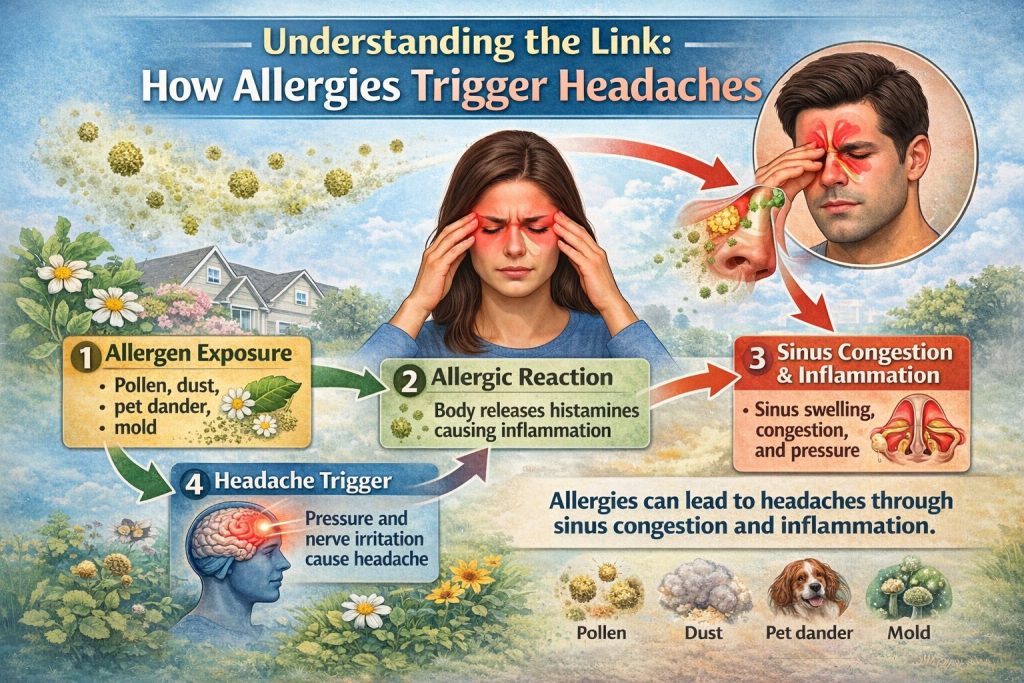
When your body encounters an allergen—such as pollen, dust mites, or pet dander—your immune system overreacts. It releases chemicals like histamine, which cause the membranes lining your nasal passages to swell. This swelling blocks the normal drainage of mucus from your sinuses. As mucus builds up, it creates a vacuum-like pressure or “sinus headache.” Furthermore, allergies can act as a trigger for individuals prone to migraines, as the systemic inflammation lowers the threshold for a migraine attack.
Common Causes of Allergy-Induced Headaches
Understanding the root cause is the first step toward prevention. While the mechanism is often sinus-related, the triggers vary:
- Seasonal Allergens: Pollen from trees, grass, and weeds (often called hay fever).
- Perennial Allergens: Year-round triggers like mold, animal dander, and dust mites.
- Environmental Irritants: Smoke, strong perfumes, and air pollution can exacerbate allergic responses.
- Food Allergies: In some cases, histamine-rich foods can trigger both allergic reactions and headaches.
Recognizing the Symptoms
Identifying whether your pain is a standard tension headache or an allergy-related issue is crucial for treatment. Symptoms of allergy headaches often include:
- Localized Pressure: Pain concentrated behind the forehead, cheekbones, and bridge of the nose.
- Nasal Congestion: A persistent runny or stuffy nose accompanying the pain.
- Itchy or Watery Eyes: A classic sign of an allergic reaction.
- Fatigue: Feeling drained due to the body’s constant immune battle.
- Worsening with Movement: Pain that intensifies when you lean forward or lie down.
Allergy Headache vs. Migraine
| Feature | Allergy/Sinus Headache | Migraine |
|---|---|---|
| Location | Forehead, cheeks, bridge of nose | Usually one side of the head |
| Nasal Symptoms | Thick or watery mucus, congestion | Rare, though some overlap exists |
| Sensitivity | Not typically sensitive to light/sound | High sensitivity to light, sound, and smell |
| Nausea | Rarely present | Very common |
| Duration | Lasts as long as the allergen is present | Usually 4 to 72 hours |
Diagnosis: Finding the Source of Pain
If you are asking yourself, can allergies cause headaches that persist for weeks, professional diagnosis is necessary. At Raj Hospitals, specialists use a multi-faceted approach to identify the cause:
- Physical Examination: Checking for nasal polyps or physical obstructions in the nasal passage.
- Allergy Testing: Skin prick tests or blood tests to identify specific triggers like pollen or mold.
- Imaging: In chronic cases, a CT scan or MRI may be used to view the sinus cavities and rule out structural issues.
Effective Treatment Options
Relief involves treating both the pain and the underlying allergic reaction.
Over-the-Counter (OTC) Solutions
- Antihistamines: These block the histamine response, reducing swelling and itching.
- Decongestants: These help shrink swollen nasal passages to allow mucus drainage.
- Nasal Corticosteroids: Sprays that reduce inflammation directly in the nose.
- Pain Relievers: Ibuprofen or acetaminophen can manage the immediate head pain.
Professional Interventions
For those with severe symptoms, expert ENT specialists may recommend:
- Immunotherapy: Allergy shots that desensitize your system over time.
- Prescription Medications: Stronger leukotriene inhibitors to manage the immune response.
Recovery and Prevention Tips
Managing your environment is the best way to prevent the recurrence of headaches.
- Monitor Pollen Counts: Stay indoors on high-pollen days, especially during windy mornings.
- Use HEPA Filters: High-efficiency particulate air filters can remove allergens from your indoor air.
- Nasal Irrigation: Use a saline rinse (Neti pot) to flush out allergens and mucus from your sinuses.
- Hydration: Drinking plenty of water keeps the mucus thin, making it easier to drain.
When to See a Doctor
While mild headaches can be managed at home, certain “red flags” indicate you need medical attention. You should consult a healthcare provider if:
- Your headaches are accompanied by a high fever or yellow/green discharge (signs of infection).
- The pain is so severe it interferes with daily activities or sleep.
- OTC medications no longer provide relief.
- You experience sudden vision changes or a stiff neck.

Conclusion
So, can allergies cause headaches? Yes, through inflammation and sinus pressure, they can become a significant burden on your quality of life. By identifying your triggers and utilizing the right combination of medications and lifestyle changes, you can find lasting relief. If you are struggling to manage chronic head pain and seasonal symptoms, seeking professional guidance is the most effective way to regain control. For personalized care and comprehensive allergy testing, book an appointment with the specialists at Raj Hospitals today. Our team is dedicated to providing advanced diagnostic services to help you breathe easier and live pain-free.
FAQ Section
Can seasonal allergies cause daily headaches? Yes. If you are constantly exposed to an allergen, such as pollen during the spring or dust in your home, the persistent inflammation can cause daily sinus pressure and headaches.
How do I tell if my headache is from allergies or a cold? Allergy headaches are usually accompanied by itchy eyes and clear nasal discharge, and they persist as long as the allergen is present. Colds often include a sore throat, fever, and thicker, discolored mucus.
Are allergy headaches felt in the back of the head? Usually, no. Allergy-related pain is typically felt in the front of the face, around the forehead and cheeks. Pain in the back of the head is more commonly associated with tension or neck issues.
Does caffeine help with allergy headaches? Caffeine can sometimes help by constricting blood vessels, which may provide temporary relief for some types of head pain. However, it does not treat the underlying allergy and may lead to dehydration.
Can children get headaches from allergies? Yes, children are equally susceptible to sinus pressure from allergies. If a child complains of facial pain along with hay fever symptoms, an appointment with a pediatrician is recommended.
Can air purifiers help prevent these headaches? Yes. High-quality air purifiers with HEPA filters can significantly reduce the concentration of indoor allergens like pet dander and mold spores, potentially reducing the frequency of headaches.