
Understanding Physical Therapy for Headaches
Physical therapy is a specialized healthcare branch aimed at improving movement, reducing pain, and restoring function. When applied to headaches, it focuses on the relationship between the neck (cervical spine), jaw (TMJ), and the nervous system. Since many headaches are “referred pain”—meaning the source of the pain is actually in your muscles or joints rather than your head—a physical therapist acts as a biomechanical detective to find and fix those imbalances.
Common Types of Headaches Treated with Therapy
Not all headaches are created equal. Physical therapy is particularly effective for specific types:
- Cervicogenic Headaches: These originate from issues in the neck. Pain is often felt at the base of the skull or behind the eyes.
- Tension-Type Headaches: Caused by muscle tightness in the shoulders, neck, and scalp, often due to stress or poor posture.
- Migraines: While neurological in nature, physical therapy can reduce the frequency and intensity of migraines by addressing physical triggers.
- TMJ-Related Headaches: These stem from jaw dysfunction and grinding, often leading to temple pain.
Causes and Triggers of Chronic Headaches
Understanding why your head hurts is the first step toward recovery. Common causes include:
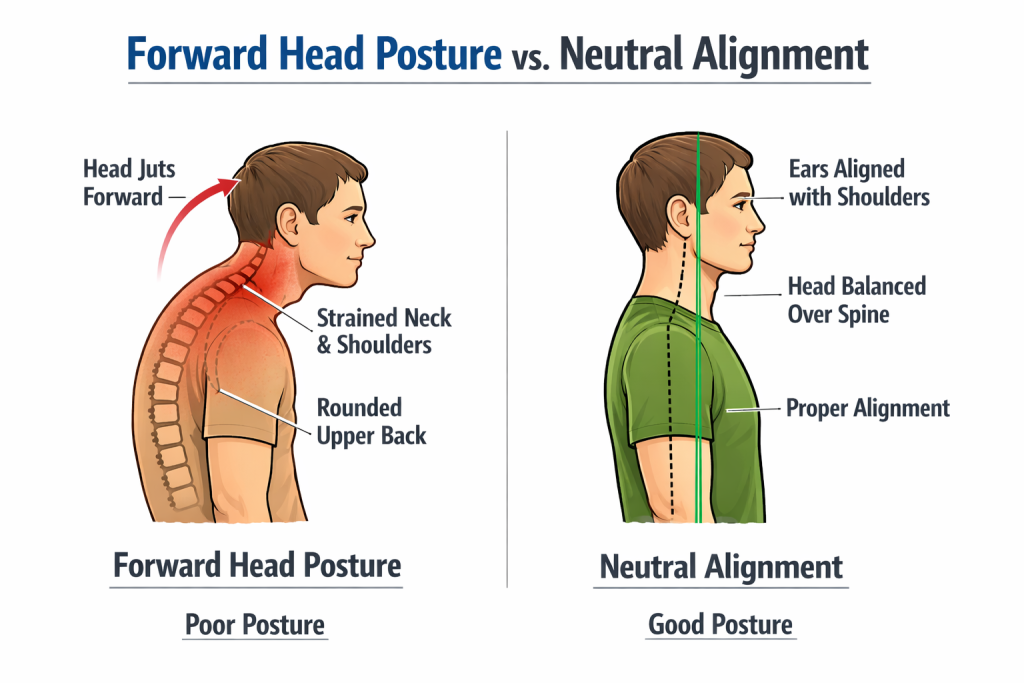
- Forward Head Posture: Often called “Tech Neck,” this puts immense strain on the cervical vertebrae.
- Muscle Weakness: Weak deep neck flexors force other muscles to overcompensate, leading to fatigue and pain.
- Joint Stiffness: Compressed or stiff joints in the upper spine can irritate nerves.
- Stress and Tension: Emotional stress manifests as physical tightness in the trapezius and levator scapulae muscles.
Symptoms That Benefit from Physical Therapy
You might need physical therapy for headaches if you experience:
- Pain that worsens with specific neck movements.
- Reduced range of motion in your neck or shoulders.
- Tenderness at the base of your skull.
- Pain that radiates from the neck up to the forehead.
- Dizziness or lightheadedness accompanying the headache.
How Diagnosis Works
At Raj Hospitals, our diagnostic process is comprehensive. A therapist will:
- Review Medical History: Discussing your lifestyle, desk setup, and injury history.
- Postural Assessment: Checking for misalignments in the spine and shoulders.
- Palpation: Feeling for “trigger points” or knots in the muscles.
- Mobility Tests: Measuring how well your neck and jaw move.
Evidence-Based Treatment Techniques
Physical therapists use a “multimodal” approach, meaning they combine different techniques for the best results.
Manual Therapy
This involves hands-on manipulation of joints and soft tissues. Techniques like joint mobilization help restore normal movement to the cervical spine, while myofascial release targets the connective tissue to reduce tension.
Therapeutic Exercise
Strengthening the “core” of the neck is vital. Exercises like chin tucks and scapular retractions help support the head’s weight, reducing the workload on strained muscles.
Dry Needling
This technique involves inserting thin needles into trigger points to “reset” the muscle and improve blood flow. It is highly effective for chronic tension-type headaches.
Ergonomic Education
If you spend eight hours a day at a desk, your workstation might be the culprit. Therapists provide guidance on monitor height, chair support, and frequent movement breaks. [Insert Image: Physical therapist performing manual neck mobilization]
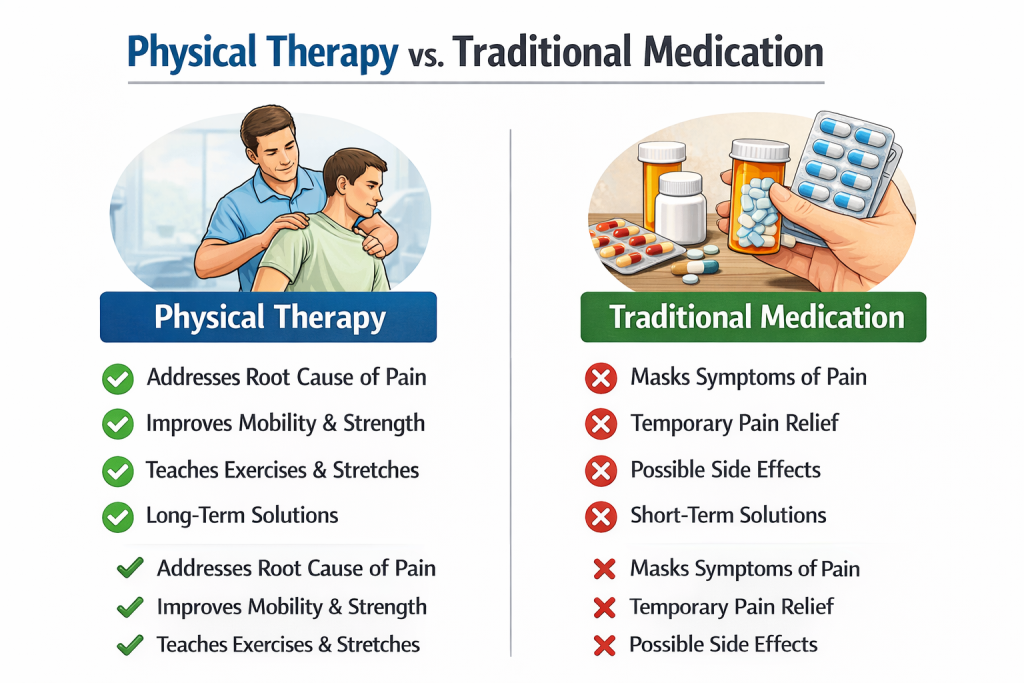
Comparison: Physical Therapy vs. Traditional Medication
Recovery and Prevention Tips
Recovery isn’t just about what happens in the clinic; it’s about your daily habits.
- Stay Hydrated: Dehydration is a common headache trigger.
- Practice “Micro-breaks”: Every 30 minutes, look away from your screen and roll your shoulders.
- Check Your Pillow: Ensure your neck is in a neutral position while sleeping.
- Stress Management: Incorporate deep breathing or yoga to lower systemic tension. For more specialized care, exploring Orthopaedics can provide deeper insights into spinal health.
When to See a Doctor
While physical therapy for headaches is highly effective, some symptoms require immediate medical attention from Emergency Services:
- A sudden, “thunderclap” headache (the worst pain of your life).
- Headaches accompanied by fever, stiff neck, or rash.
- Neurological symptoms like slurred speech or numbness.
- Headaches following a head injury or trauma. If your pain is persistent but not an emergency, consulting a specialist at our General Medicine department is a great starting point for a referral.
Conclusion
Living with chronic pain is exhausting, but you don’t have to manage it alone. Physical therapy for headaches offers a sustainable, evidence-based solution that empowers you to take control of your health. By improving your posture, strengthening your body, and releasing deep-seated tension, you can significantly reduce—or even eliminate—your dependence on pain medication. If you are ready to stop the cycle of pain, Book an Appointment with our expert team today. Let’s work together to help you live a clearer, pain-free life.
Frequently Asked Questions (FAQ)
How many sessions of physical therapy will I need?
The number of sessions varies depending on the severity and duration of your headaches. Most patients see significant improvement within 4 to 6 sessions, provided they follow their home exercise program.
Is physical therapy painful?
Some manual techniques may cause mild, temporary discomfort as tight muscles are released, but the overall goal is pain reduction. Your therapist will always work within your tolerance level.
Can physical therapy help with migraines?
Yes. While migraines are often triggered by chemical or hormonal changes, physical therapy reduces the musculoskeletal “load” on the nervous system, which can decrease the frequency and severity of attacks.
Will I need an X-ray or MRI before starting?
Not necessarily. Most headaches are diagnosed through physical examination. However, if your therapist suspects a structural issue, they may refer you for Radiology and Imaging services.
What should I wear to my first appointment?
Wear comfortable, loose-fitting clothing that allows the therapist easy access to your neck, shoulders, and upper back.
Can I do physical therapy exercises at home?
Absolutely. In fact, a “Home Exercise Program” (HEP) is a critical part of your treatment plan. Consistency at home ensures the progress made in the clinic lasts. For more information on holistic recovery, check our Physiotherapy page.