Imagine settling into your evening after a long day at work, only to feel a sharp, throbbing pressure building directly behind your eyes. This sensation, often described as an “eye headache,” can be incredibly debilitating, affecting your ability to focus, read, or even keep your eyes open. But what is eye headache exactly? Is it a problem with your vision, or is it a symptom of something deeper within the neurological system? Understanding the distinction is the first step toward finding lasting relief. At Raj Hospitals, we believe that informed patients make the best recovery decisions. This guide explores the various triggers, symptoms, and modern treatment options available to help you reclaim your comfort.
What is Eye Headache?
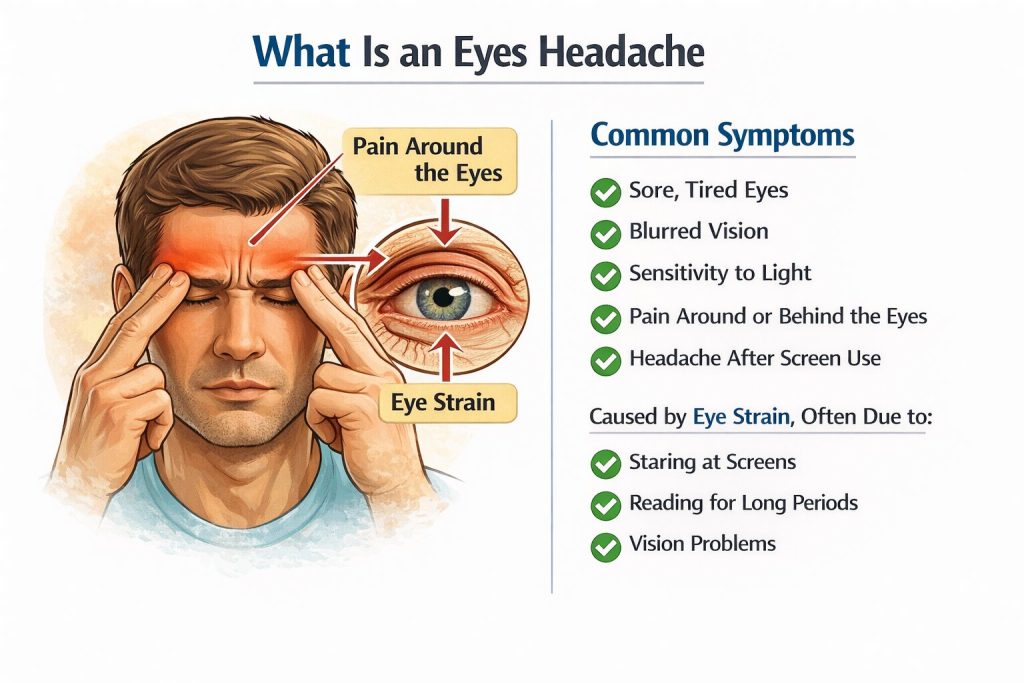
When people ask, “what is eye headache,” they are usually referring to pain that feels like it is radiating from behind the eyes or within the eye sockets. Interestingly, the eye itself is rarely the source of the pain. Instead, the sensation is typically “referred pain” caused by tension, nerve issues, or vascular changes in the head and neck. In some cases, however, it can stem from ocular conditions like acute glaucoma or severe eye strain. Identifying whether the pain is primary (a headache itself) or secondary (caused by another condition) is crucial for effective treatment.
Common Causes of Pain Behind the Eyes
The causes of an eye headache range from lifestyle habits to serious underlying medical conditions.
1. Migraines
Migraines are a leading cause of pain behind the eyes. These are intense, throbbing headaches that often affect one side of the head.
2. Tension Headaches
This is the most common type of headache. It feels like a tight band around the forehead, often creating a dull ache behind both eyes.
3. Cluster Headaches
Known for being excruciatingly painful, cluster headaches occur in cycles. They typically cause severe piercing pain behind one eye, often accompanied by redness or tearing.
4. Sinusitis (Sinus Infection)
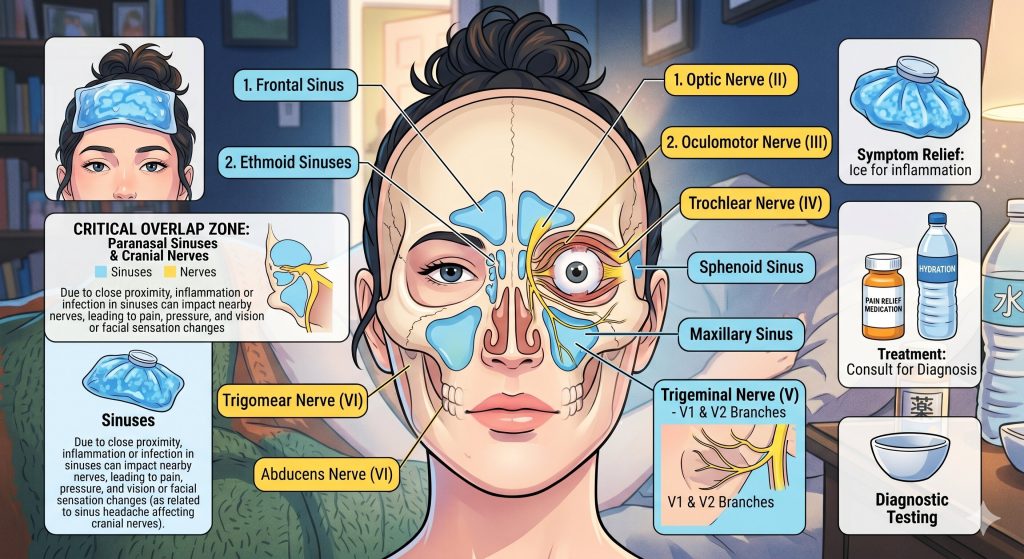
The sinuses are air-filled cavities located around the eyes. When these become inflamed due to infection, the pressure creates a significant eye headache.
5. Digital Eye Strain
In our modern era, staring at screens for prolonged periods causes the ciliary muscles in the eye to overwork, leading to localized fatigue and aching.
Identifying the Symptoms
An eye headache rarely travels alone. Depending on the root cause, you may experience a variety of accompanying symptoms:
- Sensitivity to Light (Photophobia): Common in migraines.
- Tearing or Redness: Often seen in cluster headaches.
- Nausea and Vomiting: Typical of severe migraine episodes.
- Pressure in the Forehead: Suggests sinus involvement.
- Blurred Vision: Can indicate eye strain or a more serious ocular emergency.
- Drooping Eyelid: Sometimes occurs during a cluster headache attack.
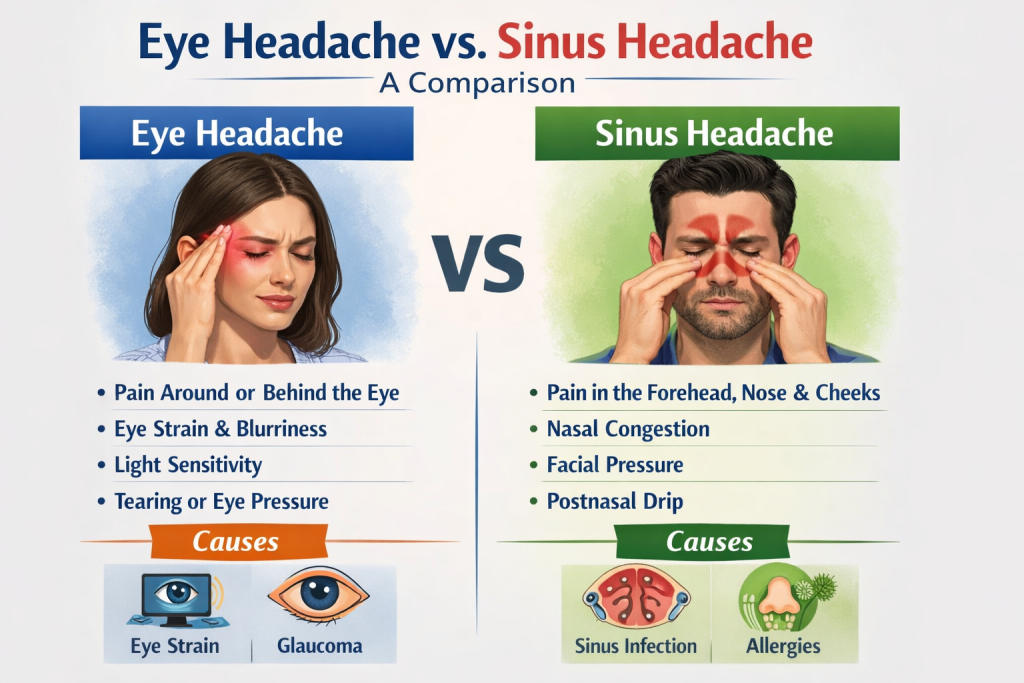
Eye Headache vs. Sinus Headache: A Comparison
It is easy to confuse these two conditions. The table below highlights the primary differences:
Diagnosis at Raj Hospitals
To accurately answer “what is eye headache” for your specific case, a specialist consultation is necessary. Our diagnostic process includes:
- Medical History: Discussing the frequency, duration, and intensity of your pain.
- Comprehensive Eye Exam: Checking for vision issues or internal eye pressure (Glaucoma).
- Imaging Tests: If neurological issues are suspected, an MRI or CT scan may be required to view the brain and sinuses.
- Neurological Screening: Testing nerve function and reflexes.
Effective Treatment Options
Once the cause is identified, treatment focuses on both immediate relief and long-term prevention.
Medical Interventions
- Over-the-Counter (OTC) Medication: For tension-based eye headaches, Ibuprofen or Acetaminophen can be effective.
- Triptans: Specific prescription medications used to abort migraine attacks.
- Antibiotics: Required if the pain is caused by a bacterial sinus infection.
- Preventative Beta-Blockers: For patients suffering from chronic, frequent migraines.
Lifestyle and Home Remedies
- The 20-20-20 Rule: To combat eye strain, every 20 minutes, look at something 20 feet away for 20 seconds.
- Hydration: Dehydration is a frequent, overlooked trigger for head pain.
- Cold Compresses: Applying a cool cloth over the eyes can constrict blood vessels and soothe inflammation.
- Stress Management: Yoga and meditation help reduce the muscle tension that leads to headaches.

When to See a Doctor
While most eye headaches are benign, some indicate a medical emergency. You should visit our emergency department or see a specialist if you experience:
- Sudden, “thunderclap” pain that is the worst you’ve ever felt.
- Headache accompanied by a high fever or stiff neck.
- Loss of vision or seeing “halos” around lights.
- Pain following a head injury.
- Numbness or weakness in any part of the body.
Recovery and Prevention Tips
Preventing an eye headache often involves managing your environment and health habits:
- Ergonomic Workspace: Ensure your computer screen is at eye level to prevent neck strain.
- Regular Eye Checkups: Visit an ophthalmologist annually to ensure your prescription is up to date.
- Sleep Hygiene: Maintain a consistent sleep schedule to stabilize the nervous system.
- Trigger Tracking: Keep a diary to see if certain foods or smells trigger your pain.
Conclusion
Understanding what is eye headache allows you to move away from temporary fixes and toward a solution that addresses the root cause. Whether it is a result of digital eye strain, a sinus issue, or a complex migraine, professional intervention can significantly improve your quality of life. At Raj Hospitals, our multidisciplinary team of neurologists and eye care specialists are dedicated to providing precise diagnoses and compassionate care. If you are struggling with persistent pain behind your eyes, do not suffer in silence. Book an appointment with our experts today to start your journey toward a pain-free life.
Frequently Asked Questions (FAQ)
Can dehydration cause an eye headache?
Yes, when the body is dehydrated, brain tissues can temporarily shrink and pull away from the skull, causing pain that often manifests behind the eyes.
Is a headache behind the eye always a migraine?
No. While migraines are a common cause, tension headaches, cluster headaches, and even simple eye strain can cause similar sensations.
How do I know if my eye headache is serious?
If the pain is accompanied by sudden vision loss, fever, or confusion, it may indicate an emergency such as acute glaucoma or a stroke. Seek immediate medical help.
Can wearing the wrong glasses prescription cause these headaches?
Absolutely. If your eyes are struggling to focus due to an outdated prescription, the resulting strain often leads to a persistent eye headache.
What is the fastest way to get rid of a headache behind the eyes?
For immediate relief, resting in a dark, quiet room with a cold compress and staying hydrated is often the most effective first step.
Can sinus pressure feel like an eye headache?
Yes, because the frontal and ethmoid sinuses are located very close to the eye sockets, inflammation in these areas feels like pressure directly behind the eyes.