Polycystic Ovarian Disease (PCOD) is increasingly common among women, yet it is frequently misunderstood, ignored, or minimized as a “minor hormonal issue.” In reality, PCOD problems in women can have long-term and serious health consequences when left untreated. Many women dismiss early symptoms, only to face worsening reproductive, metabolic, and psychological complications later in life. Understanding the symptoms, causes, and health effects of PCOD is essential, as neglecting this condition can significantly impact overall well-being.
What Is PCOD and Why It Should Not Be Ignored
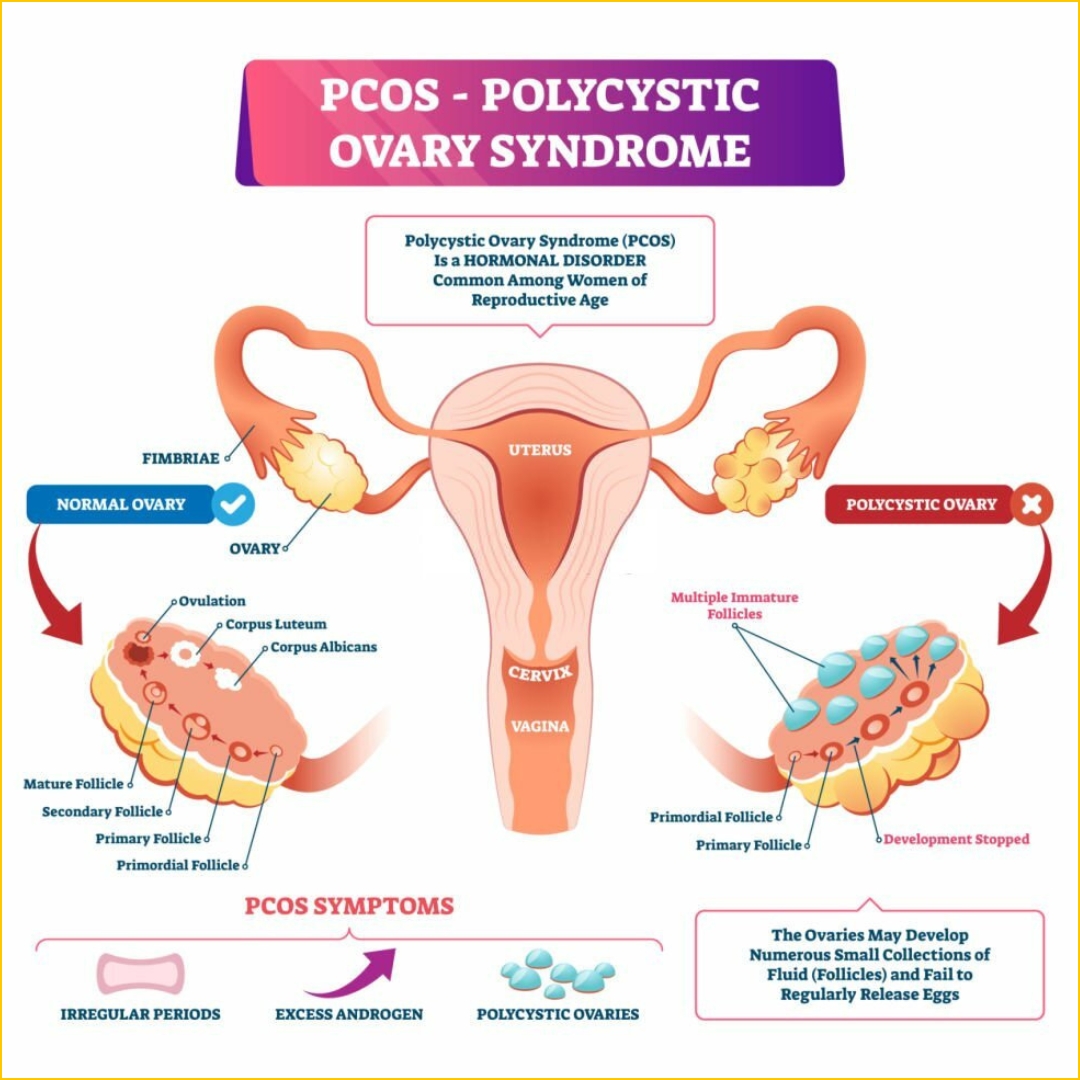
PCOD is a hormonal disorder in which the ovaries produce excessive androgens (male hormones), leading to irregular ovulation and multiple small cysts in the ovaries. While some consider it a lifestyle-related condition, the reality is more concerning: untreated PCOD can contribute to infertility, metabolic syndrome, diabetes, and cardiovascular complications.
Ignoring early PCOD symptoms in women often delays diagnosis, allowing the hormonal imbalance to worsen and trigger multiple health risks.
Common Symptoms of PCOD in Women
The symptoms of PCOD are often subtle initially but progressively become more disruptive. Many women mistake them for temporary hormonal fluctuations, which can lead to late detection.
Key Symptoms to Watch For
- Irregular periods or missed menstrual cycles
- Excessive facial or body hair growth (hirsutism)
- Persistent acne or oily skin
- Unexplained weight gain, especially around the abdomen
- Hair thinning or scalp hair loss
- Difficulty in conceiving or infertility concerns
- Darkened skin patches (acanthosis nigricans)
These signs reflect deeper hormonal imbalance in women, indicating that PCOD is not just a reproductive issue but a systemic disorder.
Silent and Overlooked Symptoms
Some symptoms remain unnoticed but can indicate worsening PCOD problems:
- Mood swings and anxiety
- Chronic fatigue and low energy levels
- Sugar cravings and increased appetite
- Sleep disturbances
Such symptoms are often ignored, yet they may signal insulin resistance and metabolic dysfunction linked to PCOD.
Causes of PCOD: More Complex Than Lifestyle Alone
The causes of PCOD in women are multifactorial and not limited to diet or inactivity. Oversimplifying the condition as a “lifestyle disorder” can delay necessary medical evaluation and targeted treatment.
Major Causes and Risk Factors
- Hormonal imbalance leading to excess androgen production
- Insulin resistance causing elevated blood sugar levels
- Genetic predisposition and family history
- Chronic inflammation affecting ovarian function
- Sedentary lifestyle and poor dietary habits
These factors often overlap, making PCOD a complex endocrine condition rather than a single-cause disorder.
Health Effects of PCOD That Are Often Underestimated
The long-term health effects of PCOD extend far beyond irregular periods. Failure to manage the condition can result in serious medical complications that affect multiple body systems.
Reproductive Health Consequences
- Chronic anovulation leading to infertility
- Irregular menstrual cycles affecting ovulation tracking
- Increased risk of miscarriage
- Endometrial hyperplasia due to prolonged hormonal imbalance
Ignoring PCOD-related fertility issues can delay appropriate reproductive planning and interventions.
Metabolic and Cardiovascular Risks
Women with untreated PCOD face higher risks of:
- Type 2 diabetes due to insulin resistance
- High cholesterol and lipid abnormalities
- Obesity and central fat accumulation
- Increased risk of cardiovascular disease
These metabolic complications often develop silently, making routine monitoring essential.
Psychological and Emotional Impact
The emotional burden of PCOD problems in women is frequently overlooked. Hormonal imbalance can contribute to:
- Anxiety and depression
- Low self-esteem due to acne, weight gain, or hair growth
- Body image issues and social withdrawal
These mental health effects can worsen adherence to treatment and lifestyle modifications, creating a cycle of declining health.
Why Early Detection of PCOD Is Crucial
Delaying diagnosis allows the condition to progress and increases the likelihood of complications such as diabetes, infertility, and long-term hormonal disorders. Many women only seek medical help when symptoms become severe, by which time treatment becomes more complex and prolonged.
Recognizing early signs like irregular periods, weight gain, and persistent acne can help prevent long-term endocrine and metabolic damage.
Frequently Asked Questions (FAQs)
1. Are PCOD and PCOS the same condition?
They are related but not identical. PCOD generally refers to ovarian cyst formation with hormonal imbalance, while PCOS (Polycystic Ovary Syndrome) is a broader metabolic and endocrine disorder with more severe systemic effects.
2. Can PCOD cause permanent infertility?
PCOD does not always cause permanent infertility, but untreated hormonal imbalance and irregular ovulation can significantly reduce fertility over time.
3. Is weight gain a common symptom of PCOD?
Yes. Insulin resistance associated with PCOD often leads to abdominal weight gain, which further worsens hormonal imbalance.
4. Can PCOD lead to other serious diseases?
If unmanaged, PCOD can increase the risk of diabetes, heart disease, endometrial issues, and metabolic syndrome.
Conclusion: PCOD Problems Should Never Be Taken Lightly
PCOD is not a temporary or harmless hormonal issue. It is a chronic endocrine disorder with wide-ranging health consequences that can worsen over time if ignored.