


 Cardiology
  Critical Care
  Emergency
  Gastroenterology
  Minimal Access Surgery
  Nephrology
  Neuro & Spine Surgery
  Neurology
  Oncology (Cancer Care)
  Orthopaedics & Joint Replacement
  Pulmonology
  Urology
  Aesthetic & Reconstructive Surgery
  Dental
  Dermatology
  ENT
ENT  Eye Care
  Haematology
  Internal Medicine
  Nutrition & Dietetics
  Obstetrics & Gynaecology
  Pediatrics & Neonatology
  Physiotherapy & Rehabilitation
  Psychiatry & Mental Health
  Radiology
  FNAC, Biopsy, Blood & Laboratory Investigations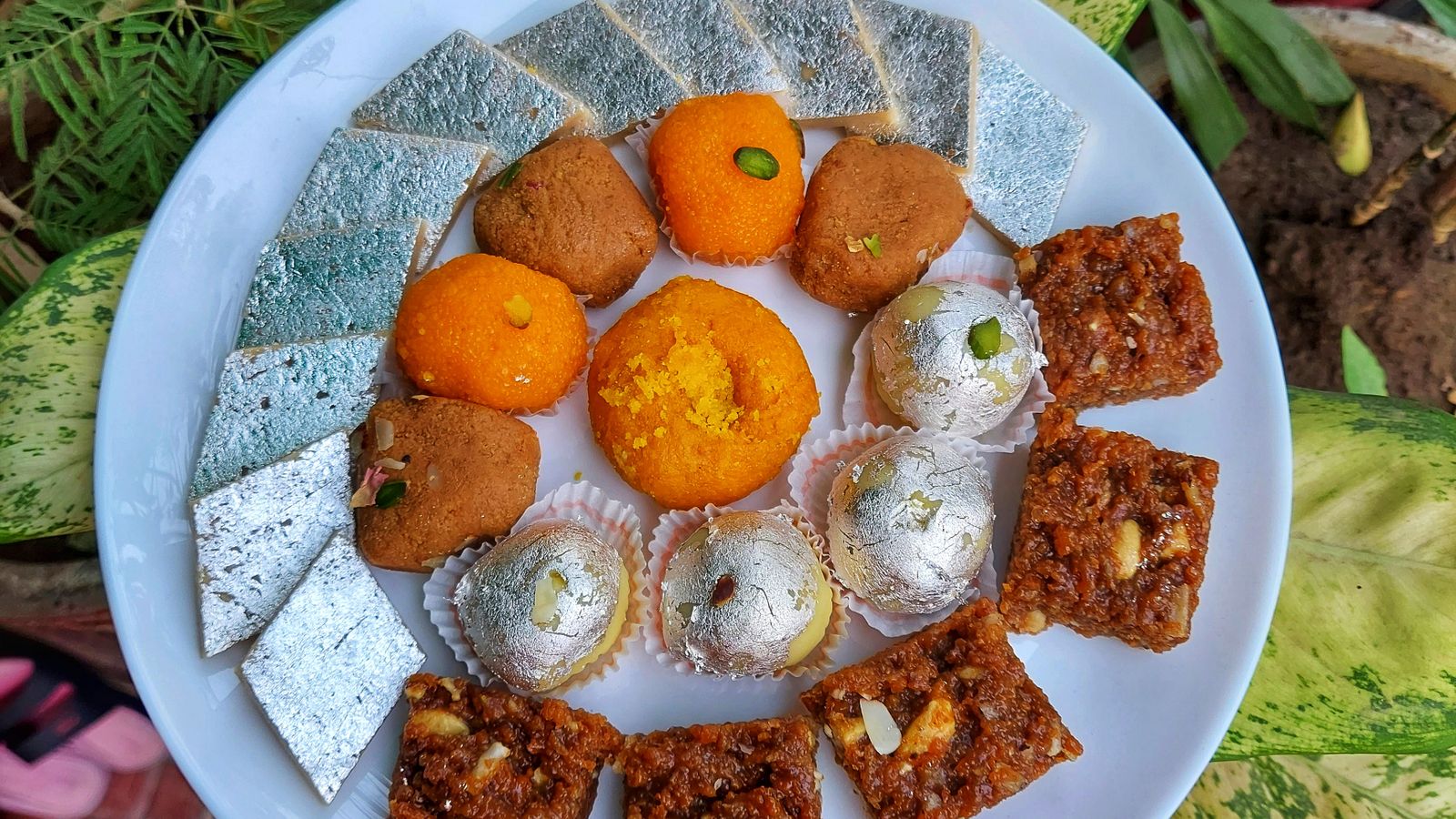
Festive-Season Sweets and Blood Pressure: A Realistic Guide, Not a Ban List
Every year around Dhanteras, cardiac and diabetic patients across Ranchi receive the same advice: avoid sweets, avoid fried food, avoid outside food. Every year, roughly the same proportion of them ignore it entirely. Not out of carelessness, but because the advice asks people to sit apart from their own family at the one time of year the family is together. Prohibition that nobody follows is not medical advice, it is a formality. So this guide takes a different position. Assume you will eat some sweets. Assume you will attend the dinners. Then let us talk about what actually reduces your risk during that week.
Why Total Prohibition Advice Gets Ignored, and What Works Instead
The failure of "just avoid it" is predictable. A rule with no allowance built in has only two states: kept and broken. The moment it breaks, usually on day two when a relative puts a plate in your hand, the whole plan collapses and people conclude the week is a write-off. That is when intake becomes genuinely dangerous, because there is no longer any framework at all.
There is also a social cost that medical advice tends to ignore. Refusing food at an Indian festival is not a neutral act. It invites questions, concern and repeated offering. Many patients find it easier to eat than to explain, and then feel guilty enough to hide it from their doctor, which is worse for everyone.
What works instead is a decided allowance. Not "I will avoid sweets," but "I will have two pieces a day, after lunch, and that is my plan." A specific number is easy to hold, easy to explain to a host, and survives contact with reality. It also removes the constant negotiation that makes restriction exhausting. This is the same principle our dietetics team uses year-round, and it is the reason a realistic plan outperforms a strict one that lasts three days.
Portion and Timing Strategies That Actually Reduce Risk
These are ordered by how much difference they make, not by how often they get repeated.
- Watch salt harder than sugar. This surprises most patients. Sugar dominates festive health advice, but salt is what moves blood pressure fastest. Namkeen, fried snacks, papad, pickles, packaged mixtures and restaurant food carry far more sodium than home cooking. Extra sodium makes the body hold fluid, which raises blood pressure within days and can precipitate breathlessness and ankle swelling in anyone with heart failure. If you do one thing this festive week, control the savoury table. Our guide on what to eat with high blood pressure covers the everyday version.
- Never eat sweets on an empty stomach. Have them straight after a balanced meal containing protein, fibre and vegetables. The meal slows absorption and blunts the glucose spike considerably. Skipping lunch to "save room" for the evening produces the single sharpest rise of the whole week.
- Decide the number before you arrive. Two pieces, three pieces, whatever you and your doctor agree. A decided number is a plan. "I will see how it goes" is not.
- Walk for ten to fifteen minutes after eating. One of the highest-value and least-used interventions available. A short post-meal walk measurably reduces the blood sugar rise, helps digestion and reduces the post-meal chest heaviness that many cardiac patients experience.
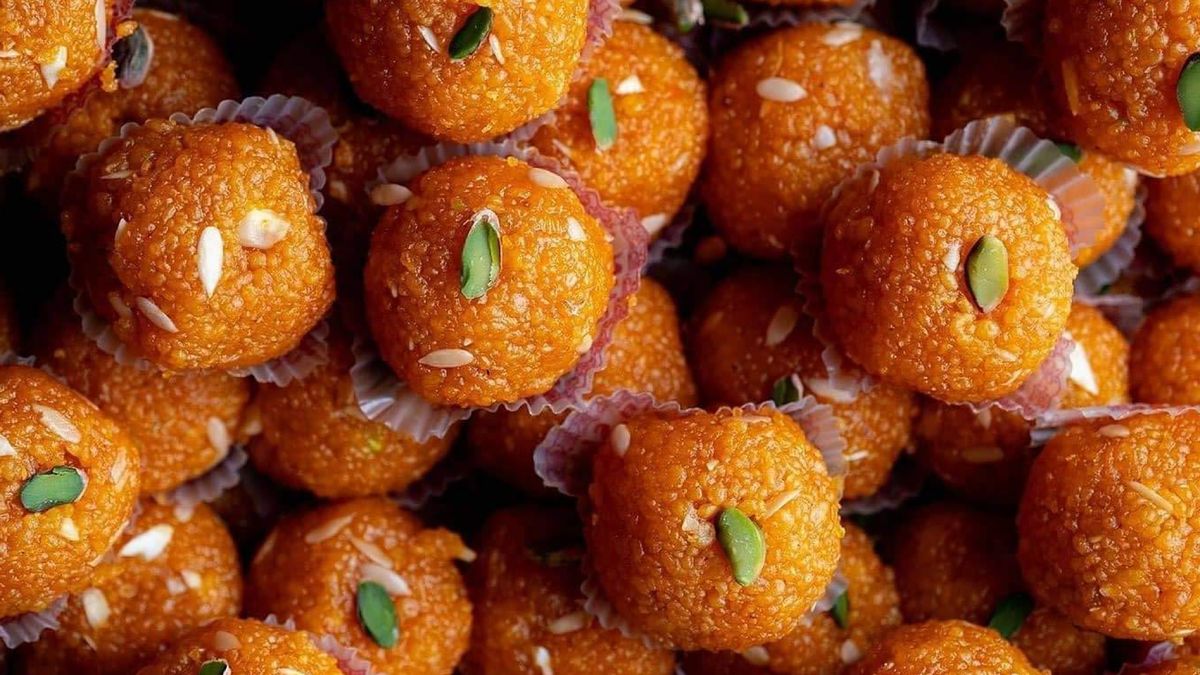
- Choose the sweet, do not accept the sweet. Milk-based and nut-based sweets such as kaju katli, sandesh or a small barfi are generally a better choice than deep-fried syrup-soaked items like gulab jamun and jalebi, which combine refined flour, deep frying and sugar syrup in one mouthful.
- Drink water, not sweetened drinks. Cold drinks and packaged juices add a large sugar load that nobody counts because it does not feel like eating. Water or unsweetened buttermilk alongside food is better on every axis.
- Protect sleep. Late nights across a whole week raise blood pressure and worsen glucose control independently of what you eat. This is a genuinely underrated part of festive risk.
- Keep alcohol modest and never with your evening medication unless advised. It interacts with several blood pressure and diabetes medicines and adds substantial hidden calories.
- Do not stop your walk because the week is busy. The combination of more food and less movement is what actually shifts weight and blood pressure, not the sweets alone.
Warning Signs to Watch For During the Festive Week
This is the part of the article that matters most, and it is the part most festive health advice omits entirely. Our emergency department sees a predictable pattern every festival season, and the common thread is not what people ate. It is that a genuine cardiac symptom was misread as indigestion, because the person had in fact just eaten a heavy meal and had an obvious innocent explanation available.
- Chest discomfort, pressure or heaviness, including pain in the jaw, neck, arm, upper back or upper abdomen, particularly with sweating or nausea
- Breathlessness at rest, or waking at night unable to breathe lying flat
- New swelling of the feet and ankles, or a sudden weight gain of two or more kilograms over a few days
- Palpitations with dizziness, or any fainting episode
- Severe headache with very high blood pressure readings, or visual disturbance
- Sudden weakness on one side, facial droop or slurred speech — see our guide on recognising stroke symptoms
- Blood sugar persistently very high, or symptoms of a low such as sweating, tremor, confusion or unusual behaviour
- Vomiting with severe upper abdominal pain boring through to the back, which can be pancreatitis after a very rich meal
The reason this list matters is that "it is just gas" is the most dangerous sentence spoken during the festive season. A heart attack in the inferior wall of the heart genuinely produces burning upper abdominal pain and belching, and an antacid will not distinguish the two. We cover this overlap in detail in gas pain versus heart attack symptoms, in whether gas can cause a heart attack, and in our guide to silent and atypical heart attack symptoms. If you are over 40 with risk factors, an ECG takes five minutes and settles the question.
The medication trap. Missed doses cause more festive emergencies than sweets do. Travel, houseguests, changed routines and simply running out of supply all contribute. Blood pressure and heart medicines in particular can cause a rebound rise when stopped suddenly. Carry more than you need, keep tablets in hand luggage rather than checked bags, set phone alarms, and never adjust insulin or diabetes tablets yourself around fasting days without asking first.
A Simple Pre-Festival Checkup That Catches Problems Early

A short appointment two or three weeks before the festive season is worth considerably more than a long one afterwards. It is not an elaborate package. Five things cover most of the value:
- Blood pressure, measured properly. Seated, rested five minutes, correct cuff size, both arms on the first occasion. Knowing your true baseline is what makes a festive-week reading interpretable. Our guide on controlling blood pressure covers home monitoring technique.
- Fasting blood sugar and HbA1c. HbA1c reflects the last three months and tells you what your starting position is, which matters because the festive fortnight will move it.
- Lipid profile. Especially if you have not had one in a year, or if statin adherence has slipped.
- Kidney function and electrolytes for anyone on blood pressure medication or diuretics. Festive dehydration and diuretics together are a common cause of avoidable admission in older patients.
- An ECG if you have existing heart disease, diabetes of long duration, or any new symptom on exertion. Booked through our cardiology department in Ranchi, with results the same visit.
Use the same appointment to do the boring administrative things that prevent emergencies: get a full month of medication dispensed in advance, ask specifically about dose timing if you plan to fast, and get written down what your personal red-flag threshold is. For a patient with heart failure, for example, a specific daily weight gain figure is far more useful than a general instruction to watch for swelling.
What to Do if Symptoms Appear During Celebrations
Festive timing works against people. Symptoms tend to arrive at night, during a gathering, far from home, when nobody wants to spoil the evening. Decide the following in advance so nobody has to argue about it in the moment.
- Stop immediately and sit down. Do not finish the ritual, do not walk to the car, do not climb stairs. Continuing exertion during cardiac symptoms is what converts a warning into an event.
- Do not take an antacid and wait to see. Relief from an antacid does not rule out a heart attack, and the twenty minutes spent waiting is heart muscle.
- Call an ambulance rather than driving. Treatment begins in transit and the hospital is alerted before you arrive. A patient who deteriorates in a car with a panicked relative driving helps nobody.
- Take the medicine list. A photo on a phone is enough. It changes decisions on arrival, particularly if you are on blood thinners.
- State the exact time symptoms started. For heart attack and stroke this single fact determines which treatments are still available.
- For a suspected low blood sugar, give fast-acting sugar such as glucose, juice or sugar in water if the person is conscious and able to swallow, then recheck. If they are drowsy or unable to swallow, do not force anything by mouth. Get help.
- Do not wait for morning because it is a festival day. Our emergency and trauma service and intensive care unit run through every festival, every night. What the first ten minutes look like when you arrive is described in our walk-through of the emergency room process.
One last thought, offered without preaching. Patients often describe festive eating in the language of failure, as though a plate of sweets were a moral lapse. It is not. Cardiac and metabolic risk is built over years, not over one week, and the things that genuinely move it are medication adherence, blood pressure control, activity, sleep and not smoking. Eat the mithai you planned to eat, take your tablets, walk after dinner, and pay attention to your body. That is a better festival than a joyless one spent counting.
Book a pre-festival check before the season starts
Blood pressure, sugar and HbA1c, lipid profile, kidney function and ECG in a single visit at Raj Hospitals, Bariatu Road, Ranchi. Cardiology and dietetics consultations available, with 24x7 emergency cover through the festive week.
Frequently Asked Questions
Can heart patients eat sweets during Diwali?
In most cases yes, in controlled portions, unless your doctor has told you otherwise. A single small piece on a festival day is not what causes harm. Harm comes from a week of unlimited sweets alongside fried snacks, high salt, disrupted sleep and skipped medication. Deciding a fixed number of pieces in advance works far better than attempting complete avoidance and abandoning it by day two.
Why does salt matter more than sugar for blood pressure during festivals?
Sugar gets the attention but salt moves blood pressure fastest. Festive namkeen, fried snacks, papad, pickles, packaged food and restaurant meals carry far more sodium than home cooking. Extra sodium makes the body retain fluid, raising blood pressure within days and precipitating breathlessness and ankle swelling in anyone with heart failure. Controlling the savoury table usually matters more than the sweets.
What is the best way to eat sweets without a blood sugar spike?
Eat them immediately after a balanced meal with protein, fibre and vegetables rather than on an empty stomach, because the meal slows absorption. Never skip a meal to save room, since that causes the sharpest spike. Prefer milk or nut-based sweets over deep-fried syrup-soaked ones, drink water rather than sweetened drinks, and take a ten to fifteen minute walk afterwards.
Should diabetics use sugar-free sweets during festivals?
They help less than people assume. Sugar-free mithai often still contains khoya, ghee, condensed milk and refined flour, supplying calories and fat and still raising blood glucose. The label refers only to added sucrose. Treating them as unlimited usually results in a higher total intake than one normal piece would have. Portion size remains the controlling factor.
What warning signs during the festive week need urgent medical attention?
Chest discomfort, pressure or heaviness including jaw, neck, arm or upper abdominal pain; breathlessness at rest or lying flat; new foot and ankle swelling; palpitations with dizziness or fainting; severe headache with very high blood pressure; sudden one-sided weakness, facial droop or slurred speech; or blood sugar persistently very high or very low. These are frequently blamed on indigestion, which is how heart attacks get missed.
Is it safe to skip or adjust my medicines during festival travel?
No. Missed doses are among the most common causes of festive cardiac and diabetic emergencies, usually through travel, disrupted routine or running out of supply. Blood pressure and heart medicines can cause a rebound rise when stopped abruptly. Carry extra, keep tablets in hand luggage, set alarms, and never adjust insulin or diabetes doses around fasting without asking your doctor.
How do fasting days affect diabetic and heart patients?
Fasting followed by a large evening meal risks low blood sugar during the day and a sharp spike at night. Patients on insulin or sulfonylurea tablets should discuss dose timing before a planned fast rather than after a problem. Hydration during a fast matters too, since dehydration affects blood pressure and kidney function, especially in older patients taking diuretics.
What should a pre-festival health check include?
Blood pressure measured properly, fasting blood sugar and HbA1c, a lipid profile, kidney function and electrolytes for anyone on blood pressure or diuretic medication, and an ECG for those with existing heart disease or new symptoms. Use the visit to review medicines, arrange enough supply for travel, and get written advice on dose timing around fasting days.
Does festive air pollution affect heart and lung patients?
Yes. Smoke from fireworks raises particulate levels sharply for several days, and this genuinely worsens asthma, chronic lung disease and angina. Patients with these conditions should keep windows closed on peak nights, stay indoors during the heaviest bursts, keep reliever inhalers to hand, and not dismiss increasing breathlessness as ordinary irritation. Our guide on what to do when breathing becomes difficult covers the immediate steps.
Related Heart, Sugar and Diet Guides
- The best Indian diet plan for diabetes patients
- Practical remedies for high blood pressure
- BP high hone par kya kare — तुरंत क्या करें
- Sugar symptoms in Hindi — डायबिटीज के शुरुआती लक्षण
- Heart attack se kaise bachen — प्रैक्टिकल बचाव के उपाय
- Acidity symptoms — the festive complaint that is usually harmless, and when it is not
- High uric acid symptoms — why gout flares after festive meals
- Cardiology at Raj Hospitals Ranchi
- Dr. Rajesh Kumar Jha — Cardiology, Raj Hospitals Ranchi
Last updated: September 2, 2026 · Medically reviewed by our consultant cardiologists and clinical dietitians · About Raj Hospitals
Medical disclaimer: This is general guidance and does not override individual instructions from your own doctor. Patients with heart failure, advanced kidney disease, or on insulin may need stricter fluid, salt or carbohydrate limits than described here. Never adjust prescribed medication on your own.